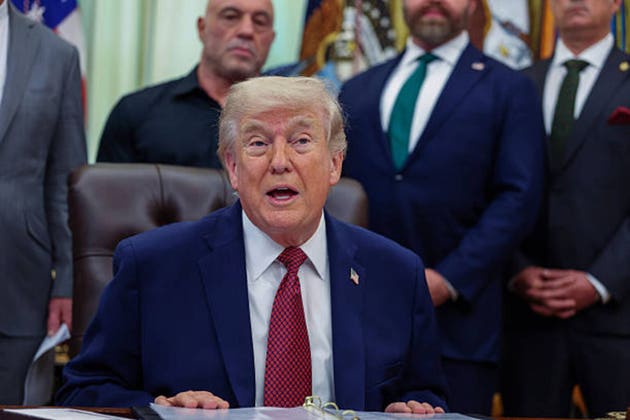
President Donald Trump’s declaration that Iran has committed a serious violation of the ceasefire agreement introduces immediate friction into global energy markets. The subsequent closure of the Strait of Hormuz by Tehran creates a tangible bottleneck for crude oil and liquefied natural gas shipments. This development forces a rapid reassessment of supply chain stability for energy-intensive industries and infrastructure providers that rely on consistent maritime transit through this critical corridor.
Infrastructure and Energy Supply Chain Vulnerabilities
The closure of the Strait of Hormuz serves as a primary stress test for global energy infrastructure. Because a significant portion of the world’s daily oil production passes through this chokepoint, the immediate impact is a tightening of regional supply logistics. Companies involved in power generation and industrial infrastructure must now account for potential delays in fuel delivery and the resulting volatility in input costs. This shift in the risk profile of energy transit is detailed further in our analysis on Geopolitical Escalation in the Strait of Hormuz Shifts Energy and Infrastructure Risk Profiles.
Sectoral Impact and Valuation Sensitivity
Industries with high exposure to energy prices are facing renewed pressure as the market prices in the uncertainty of a prolonged closure. For companies like Bloom Energy, which operates within the industrial sector, the ability to maintain operational continuity depends on the stability of the broader energy ecosystem. Current AlphaScala data for Bloom Energy reflects this environment, with an Alpha Score of 46/100 and a Mixed label, as seen on the BE stock page. The broader technology and consumer sectors, including firms like Unity Software with an Alpha Score of 42/100, are also monitoring how these energy constraints influence overall market sentiment and capital expenditure budgets.
- Immediate disruption to maritime energy transit routes.
- Increased volatility in global crude and natural gas pricing.
- Heightened operational risk for energy-dependent industrial firms.
The Path to Diplomatic Resolution
Despite the reported breach of the ceasefire, the administration maintains that a broader peace agreement remains a viable objective. The next concrete marker for the market will be the status of diplomatic back-channels and any subsequent announcements regarding the reopening of the Strait. If the closure persists, the focus will shift toward the strategic petroleum reserves and the capacity of alternative pipelines to absorb the diverted volume. Investors should monitor official statements from the White House and regional intermediaries to gauge whether the current escalation is a temporary bargaining tactic or a sustained shift in regional security policy. The resolution of this standoff will dictate the near-term trajectory for energy-linked equities and the stability of global industrial supply chains.