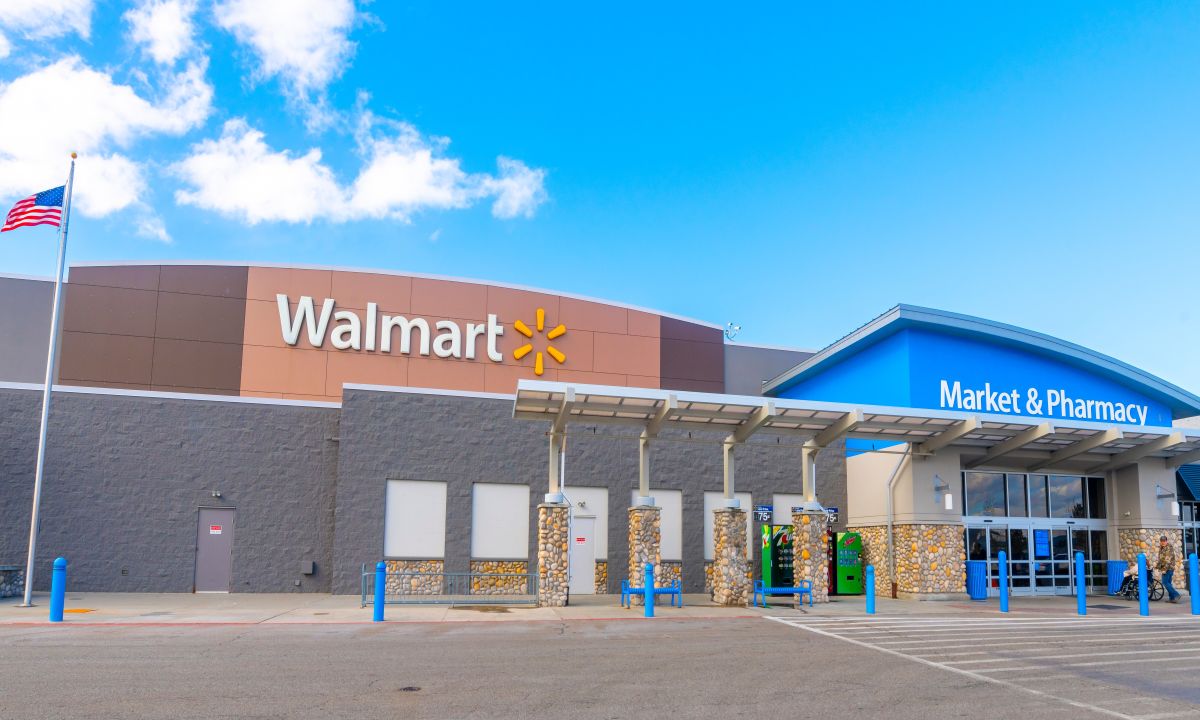
Walmart is shifting its logistics strategy by converting existing retail store space into localized fulfillment hubs. The initiative utilizes store shelves and backroom areas as micro-warehouses to support same-day delivery services. This move directly addresses the logistical friction inherent in last-mile delivery by shortening the physical distance between inventory and the end consumer.
Optimizing Retail Footprint for Last-Mile Logistics
The strategy relies on the geographic density of the company's retail locations to compete with established eCommerce giants. By positioning inventory closer to residential areas, the company aims to reduce the time and cost associated with shipping individual orders from centralized distribution centers. This transition effectively turns thousands of brick-and-mortar locations into active nodes in a broader supply chain network.
This operational pivot reflects a broader trend in Consumer Sentiment Divergence Strains Food Supply Chain Economics. Retailers are increasingly forced to reconcile the high costs of rapid delivery with the necessity of maintaining competitive pricing. By utilizing existing infrastructure, the company seeks to bypass the capital expenditure required to build new, dedicated fulfillment centers in urban markets.
Competitive Dynamics in the eCommerce Sector
The integration of store-based fulfillment places additional pressure on competitors like AMZN, which has long relied on a centralized hub-and-spoke model. While Amazon continues to refine its own logistics network, Walmart's ability to leverage its physical presence provides a distinct advantage in speed for grocery and essential goods. The success of this model depends on the company's ability to manage inventory accuracy and labor allocation within a retail environment that must simultaneously serve in-store shoppers.
AlphaScala data currently tracks the performance of these major retail players. Walmart (WMT) holds an Alpha Score of 60/100 with a Moderate label, while Amazon (AMZN) maintains an Alpha Score of 54/100 with a Mixed label. Both companies are navigating a complex landscape where stock market analysis suggests that operational efficiency in logistics is becoming the primary driver of margin stability.
Operational Hurdles and Future Scaling
Transitioning store space into fulfillment centers introduces significant operational complexity. Staff must now balance traditional retail tasks with the demands of picking and packing online orders. The company must ensure that this dual-purpose usage does not degrade the in-store experience for customers or lead to inventory discrepancies that could impact sales.
The next concrete marker for this strategy will be the company's upcoming quarterly earnings report. Investors will look for specific commentary on fulfillment costs, the impact of these changes on store-level margins, and the rate of adoption for same-day delivery services. The ability to scale this model without disrupting core retail operations will determine whether this approach becomes a permanent fixture of the company's long-term logistics strategy.