Operational Efficiency and Pricing Control
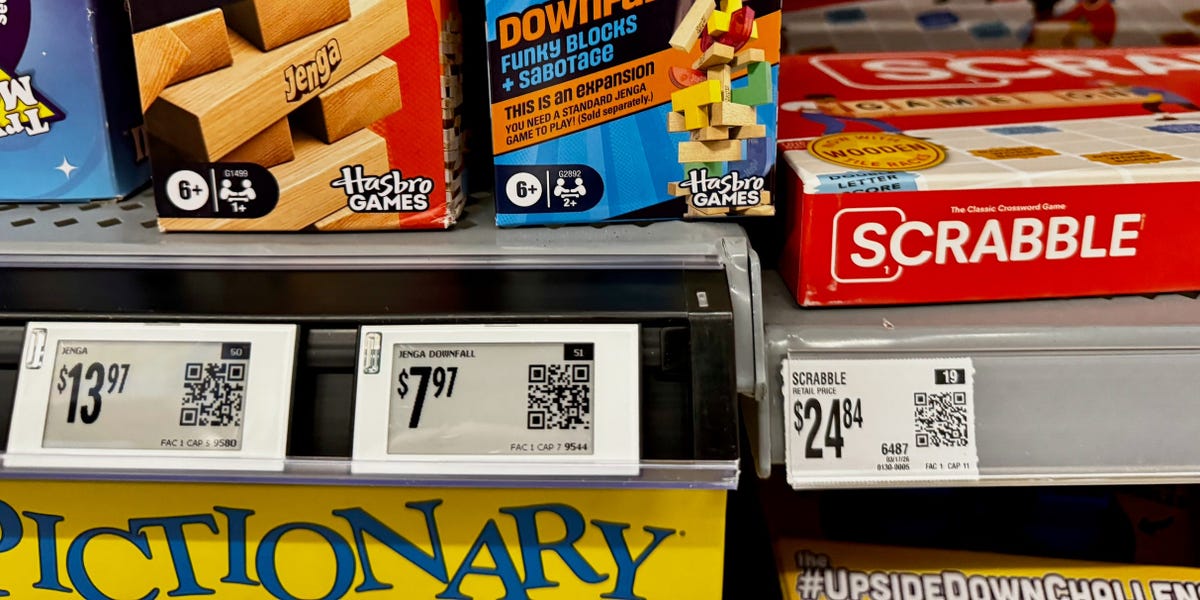
Walmart is transitioning from traditional paper shelf labels to digital shelf labels across its domestic store footprint. This shift replaces manual price updates with a centralized, cloud-based system that allows store management to adjust pricing across thousands of items in seconds. The move targets the labor-intensive process of physical tag replacement, which has historically required significant staff hours to maintain accurate pricing and promotional displays.
For the consumer, the transition introduces a more dynamic pricing environment. The digital displays provide a platform for real-time adjustments, enabling the company to react to inventory levels or competitive pressures with greater speed. While the technology streamlines internal workflows, it also creates a direct link between corporate pricing strategy and the physical shelf, removing the lag time inherent in paper-based systems.
Impact on Retail Labor and Consumer Experience
By automating the pricing process, the company aims to reallocate labor hours toward customer-facing tasks rather than administrative maintenance. This operational pivot is part of a broader trend within the Consumer Staples sector to leverage automation to offset rising wage costs and maintain margins. The ability to update prices instantly also supports complex promotional strategies that were previously difficult to execute at scale.
Investors tracking WMT stock page should note that the efficiency gains from this rollout are designed to improve bottom-line performance over the long term. With an Alpha Score of 61/100, the stock currently maintains a Moderate rating. The current price of $131.60 reflects a modest daily decline of 0.25%. The success of this digital integration will likely serve as a benchmark for other retailers attempting to modernize their physical store footprints.
The Path to Full Integration
The next phase for this technology involves deeper integration with inventory management systems. As the digital tags become more prevalent, the company will likely utilize them to display additional data, such as real-time stock levels or personalized promotional offers triggered by mobile app connectivity. The primary marker for success will be the reduction in price discrepancies between the shelf and the point-of-sale system, alongside measurable improvements in labor productivity metrics reported in future quarterly filings. Monitoring the pace of this rollout across the remaining store base will provide clarity on how quickly these operational efficiencies translate into broader margin expansion.