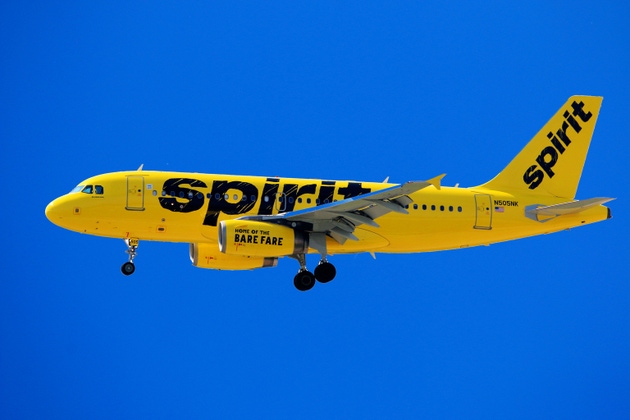
Spirit Aviation, the parent company of Spirit Airlines, has initiated a formal wind down of its operations following the collapse of critical bailout negotiations. The decision to cease operations marks a definitive end to the carrier's attempts to restructure its debt and stabilize its financial position. This move leaves a significant void in the low-cost carrier segment of the domestic aviation market.
Operational Wind Down and Fleet Impact
The cessation of operations forces an immediate halt to flight schedules and requires the airline to manage the complex logistics of grounding its fleet. For passengers and industry observers, the primary concern is the rapid transition from active service to asset liquidation. The company must now navigate the orderly disposal of its aircraft and other tangible assets to address outstanding liabilities to creditors and stakeholders.
Sector Read-Through for Low-Cost Carriers
The failure of Spirit Airlines to secure a bailout signals a shift in how the broader aviation sector manages distressed balance sheets. Investors are now recalibrating their expectations for other carriers that operate with high leverage or thin margins. The removal of a major competitor often leads to capacity consolidation, which can alter pricing power for remaining airlines in the short term. Market participants are observing how this exit influences route pricing and competitive dynamics across the budget travel landscape.
Valuation and Creditor Path
With the transition to a wind-down phase, the focus shifts to the recovery value for equity and debt holders. The liquidation process typically prioritizes secured creditors and administrative costs before any residual value reaches shareholders. The valuation of the company is now tied strictly to the liquidation value of its remaining assets rather than its future earnings potential as a going concern. This shift effectively resets the investment thesis for any remaining interest in the entity.
For those tracking broader shifts in the stock market analysis, the collapse of a major carrier serves as a reminder of the sensitivity of the consumer cyclical sector to sustained capital constraints. The next concrete marker will be the filing of detailed liquidation plans in bankruptcy court, which will provide clarity on the timeline for asset sales and the priority of claims.
AlphaScala currently tracks various sectors for volatility. For instance, companies like Amer Sports, Inc. (AS stock page) carry an Alpha Score of 47/100, reflecting a mixed outlook in the consumer cyclical space, while Bloom Energy Corp (BE stock page) holds an Alpha Score of 46/100.