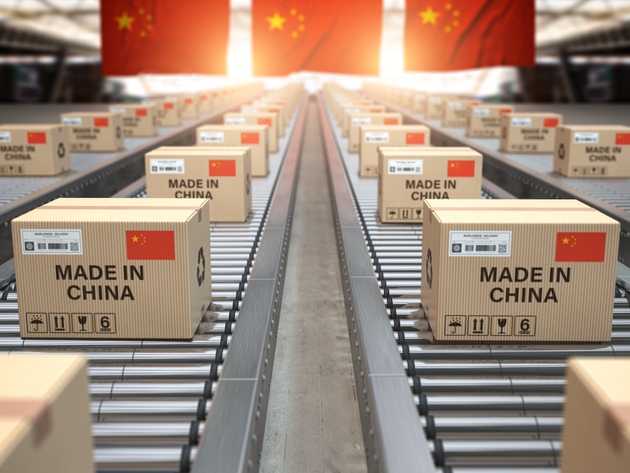
Chinese suppliers to major U.S. retailers are raising prices to offset surging raw material costs, setting up a margin squeeze for Walmart (WMT) and Costco (COST) just as they stock holiday inventory. The price hikes, reported on Monday, directly threaten the low-price promises that both retailers use to drive traffic during the critical fourth quarter.
The Supplier Price Hike and the Immediate Margin Math
The simple read is straightforward: higher input costs compress gross margins unless retailers pass them to consumers. Walmart and Costco source a significant portion of seasonal goods from Chinese suppliers. When those manufacturers face rising costs for plastics, metals, textiles, and packaging, they adjust their export prices upward. The retailers then face a choice: absorb the increase and protect market share, or raise shelf prices and risk losing price-sensitive shoppers.
The better market read focuses on the timing and the competitive landscape. This cost push arrives as U.S. consumer spending shows signs of fatigue and as the Federal Reserve’s rate path remains uncertain. Retailers that cannot pass through costs quickly will see their operating margins erode in the December quarter. Those that do pass them on may contribute to sticky inflation, potentially delaying rate cuts. For Walmart, which built its brand on everyday low prices, the pressure is acute. Costco’s membership model gives it some cushion. A portion of its revenue comes from fees rather than product markups. The club retailer still competes aggressively on price, however.
Why Walmart and Costco Face Different Pass-Through Dynamics
Walmart’s scale allows it to negotiate hard with suppliers, yet the current price hikes appear broad-based across Chinese manufacturing. If Walmart absorbs the costs, its already thin grocery margins could shrink further. The company’s U.S. same-store sales growth has relied on steady traffic from inflation-weary households; a noticeable price increase on holiday decorations, toys, or apparel could send those shoppers to dollar stores or online alternatives.
Costco’s model is different. Its members pay an annual fee, which generates high-margin income that can subsidize product pricing. Costco can afford to hold prices steady on key holiday items longer than most competitors. If raw material inflation persists, however, even Costco will eventually need to adjust. The stock market’s initial reaction was muted: Walmart shares rose 2.16% on the session to $130.35, suggesting that investors do not yet see the supplier hikes as a thesis-changing event.
What the AlphaScala Data Shows on Walmart
AlphaScala’s proprietary Alpha Score for Walmart sits at 60 out of 100, a Moderate reading. The score reflects a balance between Walmart’s defensive characteristics and the emerging cost headwind. The stock’s 2.16% gain on the day of the news indicates that the market is treating the supplier price hikes as manageable for now. The real test will come when Walmart reports its next quarterly results and provides guidance for the holiday season. If gross margins contract more than expected, the Alpha Score could shift lower.
Walmart’s Next Quarterly Report as the Margin Test
The next concrete catalyst is Walmart’s earnings release, where management will have to address input cost trends and their pricing strategy for the holiday quarter. Investors will scrutinize the gross margin line and any commentary on supplier negotiations. A confirmation that Walmart is absorbing costs without a clear plan to offset them would likely pressure the stock. Conversely, if the company demonstrates that it can pass through price increases without losing traffic, the current moderate sentiment could improve. For Costco, the membership renewal rate and average transaction size will be the key metrics to watch when it next reports.
For now, the Chinese supplier price hikes add a layer of uncertainty to the consumer staples sector just as the holiday spending season begins. The stocks are not yet pricing in a margin crisis. The path from here depends on how quickly costs stabilize and how effectively these retailers manage the pass-through.