Virgin Atlantic CEO: High Jet Fuel Costs Are the New Normal
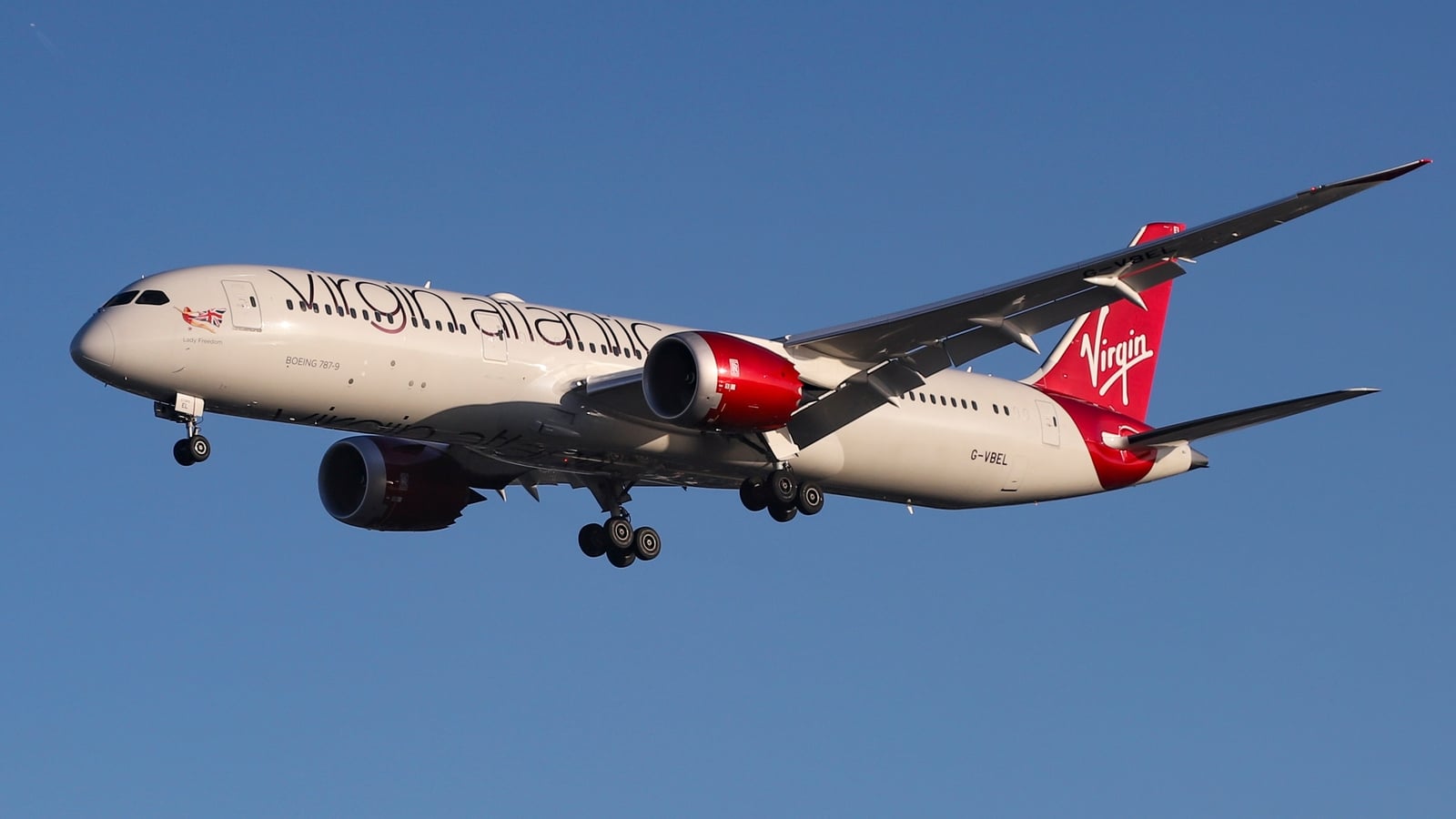
Corneel Koster warns that elevated energy prices will force permanent shifts in ticket pricing models, threatening to soften long-haul passenger demand.
The Cost of Flight
Virgin Atlantic chief executive Corneel Koster has delivered a blunt assessment of the airline industry's financial outlook, declaring that high jet fuel prices are no longer a temporary hurdle but a permanent fixture of the operating environment. This shift in cost structure places immense pressure on carriers that are already managing thin margins in a competitive global market.
For those tracking the broader commodities analysis, Koster’s comments echo a growing consensus among transport executives who expect energy inputs to remain at elevated levels for the foreseeable future. The airline sector, historically sensitive to price swings in the crude oil profile, now faces a reality where these expenses dictate strategic capacity planning and ticket pricing models.
Geopolitical Tensions and Demand
Beyond direct operational costs, Koster highlighted the potential for regional instability to erode consumer confidence. He specifically pointed to the ongoing conflict in the Middle East as a primary risk factor for the aviation sector.
- Operational impact: Sustained volatility in fuel markets forces airlines to hedge aggressively.
- Demand side: Geopolitical uncertainty often leads to a pullback in discretionary spending, particularly for long-haul travel.
- Industry outlook: High fuel costs necessitate higher fares, which could eventually soften passenger volume.
"Elevated jet fuel prices are here to stay," said Corneel Koster, chief executive of Virgin Atlantic.
Market Implications for Investors
Traders and investors should look closely at how these costs impact bottom-line performance in the coming quarters. While airlines have successfully passed some costs to consumers through higher ticket prices, there is a ceiling to this pricing power. If the conflict in the Middle East persists, the resulting supply chain friction and energy premiums could stifle the post-pandemic recovery in international travel demand.
Comparative Fuel Exposure
| Carrier Type | Primary Exposure | Sensitivity Factor |
|---|---|---|
| Long-Haul | Jet Fuel | High |
| Regional | Maintenance/Labor | Moderate |
| Low-Cost | Fuel/Airport Fees | Extreme |
Watching the Horizon
Market participants are now left to monitor two critical variables. First, the stability of energy supply lines remains a key focus for energy traders. Second, airline load factors will serve as the primary barometer for whether consumers are still willing to pay the premium required to offset these fuel costs. For those looking to manage exposure, choosing the best commodities brokers is essential to managing the volatility inherent in these energy markets.
As the industry adjusts, the ability to maintain profitability while navigating these persistent cost floors will separate the survivors from the rest of the pack. Investors should watch for upcoming earnings reports from major carriers to see if guidance reflects this new, expensive reality.
Drafted by a large language model from the source reporting linked above, then screened by automated publishing checks. It is not read by a journalist before publication. Some articles cite our Alpha Score. Verify prices and figures against the original source. Educational coverage, not personalized advice.