Vietnam targets 45-50M foreign visitors by 2030 with new visa rules
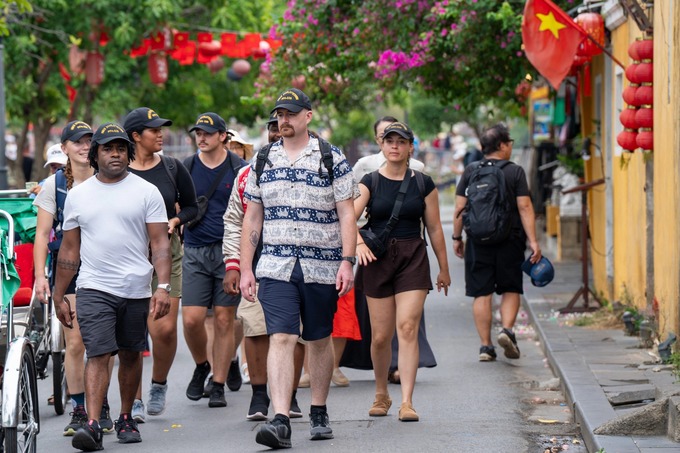
Hanoi to ease visa rules for high-spending tourists, expand duty-free shopping, and aim for 45-50 million foreign arrivals by 2030 under a new Politburo resolution.
Vietnam's Politburo signed a resolution Aug. 22 that sets a sweeping target for the tourism sector: 45 million to 50 million foreign visitors a year by 2030, with the industry contributing 10% to 12% of GDP directly. The resolution, signed by Party General Secretary and President To Lam, outlines preferential visa treatment for high-spending, long-stay travelers but has not yet defined the qualifying threshold, the specific visa benefits, or the timeline for introduction.
The document calls for entry and exit policy to be eased for key markets, with flexible visa arrangements applied market by market, subject to defense and national security considerations. Bilateral visa exemptions will be expanded on the same basis.
Vietnam drew a record 21.2 million foreign visitors in 2025, up 20.4% from the previous year, according to the National Statistics Office. The Vietnam National Authority of Tourism is aiming for 25 million this year. The country ranked 59th out of 119 economies in the World Economic Forum's 2024 Travel and Tourism Development Index, down from 52nd in 2021.
Visa Policy and Duty-Free Expansion
The resolution introduces a requirement for compulsory insurance covering international visitors. It also calls for simpler procedures for staying and sightseeing in border and island areas. Vietnam will pilot controlled mechanisms to attract long-stay visitors and remote workers, along with international capital into tourism and resort development, within existing law on land, housing and real estate.
Wider value-added tax refunds are under study at shopping malls, major tourism hubs and qualifying retail sites, aimed at lifting spending per trip rather than relying on visitor numbers. Duty-free stores, outlets, night markets and shopping streets will be developed at major destinations, along with international-standard outlet centers at tourism hubs, national tourism areas, border gates, airports and seaports.
Multi-service tourism hubs will operate around the clock, combining performing arts complexes, concert venues, festival streets and large integrated entertainment areas. Complexes for tourism, culture, sport, shopping and wellness, together with high-quality accommodation, will be encouraged outside urban areas and developed in line with surrounding landscapes.
Infrastructure and Economic Targets
Transport infrastructure will link international gateways to key economic regions and national tourism areas across roads, aviation, rail, waterways, cruise ports, marinas and digital systems. In coastal areas, Vietnam wants ports able to receive large cruise ships, making the country a significant stop on Asia-Pacific cruise itineraries.
Hanoi, Ho Chi Minh City and Da Nang are named as the three main growth poles. Phu Quoc is to become a new one, positioned as a high-end beach resort hub able to compete internationally and draw major international events. The country plans 10 key tourism hubs, 20 national tourism areas, 15 tourism groups with strong brands and international competitiveness, and roughly 1.5 million tourist accommodation rooms.
The sector is expected to generate 2.3 million direct and 3.5 million indirect jobs. By 2045, Vietnam aims for 70 million international arrivals and a direct contribution of 14-15% of GDP, and to enter the world's top 30 for tourism competitiveness.
International promotion will run under a single national framework tying tourism to the country's culture, heritage, people, trade and investment environment, with campaigns concentrated on high-spending markets rather than spread thinly. Vietnam plans a network of digital tourism ambassadors drawn from influencers, content creators and local experts in each target market, presenting destinations in the language of that market. A multilingual national tourism database will supply consistent material to media and respond to content damaging destination reputation. Big data and artificial intelligence will be used to analyze demand, track feedback and adjust products by market.
Vocational training institutions will be upgraded and built around employer demand, with the resolution citing gaps in professional skills, foreign languages and technology use.
Drafted by a large language model from the source reporting linked above, then screened by automated publishing checks. It is not read by a journalist before publication. Some articles cite our Alpha Score. Verify prices and figures against the original source. Educational coverage, not personalized advice.