Stocks● Neutral
Vietnam Hospital Scandal: 30-Year Sentence for $30.5M Loss
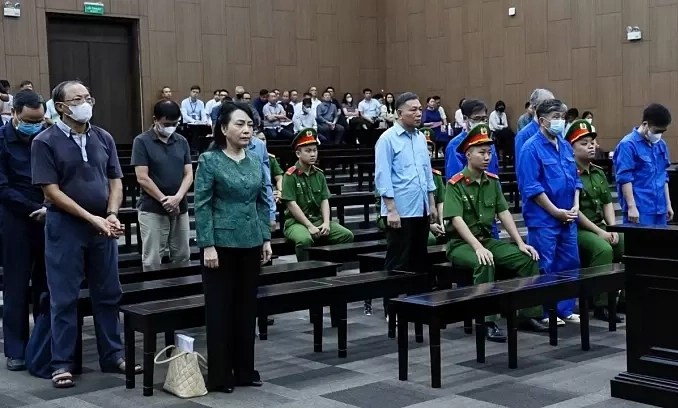
First-instance sentences range from 3 to 30 years for losses of VND803 billion on suspended hospital campuses. Appeals and regulatory reform will determine the long-term investment signal.
Continue with
A Hanoi court sentenced eight former health officials and private contractors to prison terms ranging from three to 30 years on May 27, 2026, for violations tied to stalled hospital projects. The first-instance verdict found that misconduct during the construction of second campuses for Bach Mai Hospital and Viet Duc Hospital caused losses of more than VND803 billion ($30.5 million) to the state budget. For investors tracking Vietnam’s healthcare infrastructure and state-managed construction, the ruling exposes execution risk in public projects and signals that legal enforcement is escalating to personal criminal liability for approving officials.
The Verdict That Changes Vietnam's Infrastructure Risk Premium
The trial panel described the crimes as “particularly serious,” saying the defendants intentionally violated regulations, caused enormous losses, undermined public trust, and damaged the reputation of state agencies. The judges stressed strict sentences were necessary as a deterrent against corruption and wastefulness. This is not an isolated event–it establishes a precedent that project delays and cost overruns can trigger prison terms for managers and ministers who approve flawed plans.
Losses Exceeding VND803 Billion: How the Court Calculated Waste
Construction on both hospital projects was suspended from January 2021 through December 2024. The court determined that losses resulted from three specific actions: needlessly hiring foreign consultants without competitive bidding, authorising contractor payments during the suspension period, and unlawfully offering financial aid to businesses. The losses directly drained the state budget without measurable progress on either campus.
Who Was Sentenced: A Hierarchy of Culpability
Nguyen Thi Kim Tien, former Minister of Health, received six years for “violating regulations on the management and use of state assets, causing losses and wastefulness” under Article 219 of the Penal Code. She was not directly involved in execution. The court said she approved contractor selection plans, project designs, and bidding procedures that created the basis for subsequent violations by subordinates.
Nguyen Chien Thang, former Director of the Major Health Projects Management Board, was the principal offender. He received 13 years for violating state asset regulations and 20 years for taking bribes, a combined 30-year sentence. The court found that Thang arranged to receive 5% of pre-tax payment values from contractors and accepted more than VND51 billion in bribes.
Nguyen Huu Tuan, former Director of the Health Construction Project Management Board, succeeded Thang and continued receiving payments. He received 10 years for asset regulation violations and 15 years for bribery, totalling 25 years. Investigators determined he accepted VND7.7 billion in bribes related to the case.
Le Thanh Thiem, Director of Sao Nam Song Hong Co., Ltd., was sentenced to 10 years for fraud after appropriating $2 million. The court found he promised to intervene with the Party Central Committee’s Commission for Inspection during an audit of the Ministry of Health.
Six other defendants received prison terms from three to seven years for their roles in the asset management violations. Tran Van Sinh, former Deputy Director of the Health Construction Project Management Board, received seven years. Dao Xuan Sinh, former Director of SHT Investment Consultancy and Construction JSC, received three years and six months. Four others each received three years.
The Bribery Mechanism: Sequential Payments After Succession
The verdict revealed a pattern where illicit payments continued through leadership changes. After Thang retired, Tuan inherited both the role of head of the Major Health Projects Management Board and the bribery arrangement. Investigators found Tuan accepted VND7.7 billion directly tied to the same contractor payment structure. That sequential succession suggests a systemic weakness in oversight, not just individual misconduct.
Key insight: The Ministry of Health’s project management structure allowed bribery to persist across administrations, meaning internal controls were absent at the institutional level.