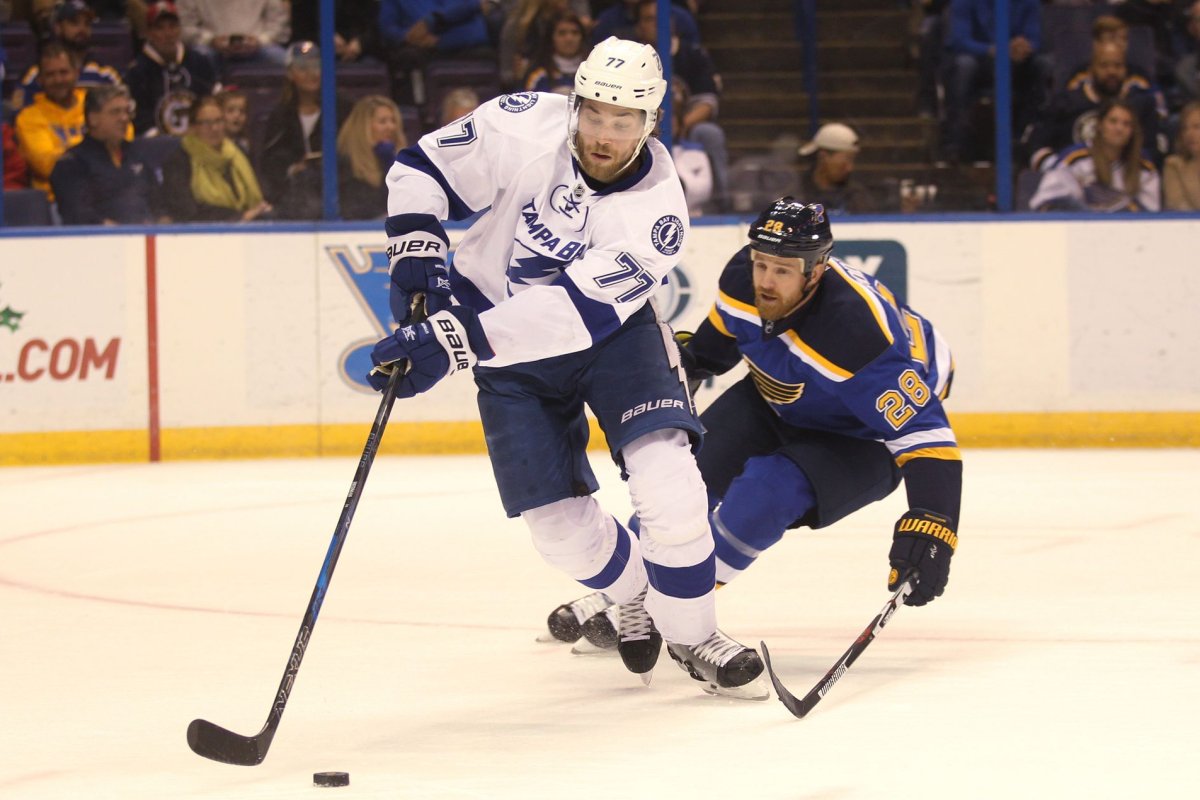
Victor Hedman's 15-game hiatus highlights the evolving management of veteran talent in the NHL. His return sets the stage for the Lightning's 2026-27 season.
The recent disclosure by Tampa Bay Lightning captain Victor Hedman regarding his 15-game absence to prioritize mental health serves as a stark reminder of the physical and psychological toll inherent in long-term professional athletic careers. While the immediate narrative focuses on the personal well-being of a veteran defenseman, the structural reality for the organization involves managing the availability of a core asset who has logged 1,164 regular-season games over a 17-year tenure. For stakeholders and those monitoring the organizational stability of the Lightning, this event highlights the friction between high-performance expectations and the sustainability of veteran talent.
Hedman, 35, has been a fixture of the franchise since his selection as the No. 2 overall pick in the 2009 NHL Draft. His career trajectory, marked by two Stanley Cup victories and a consistent presence on the blue line, has now encountered a significant interruption. The decision to step away was not an isolated incident but rather the culmination of a process that Hedman described as something he had been trying to work through for a long time. This admission shifts the conversation from a simple injury report to a broader discussion on the lifecycle of elite athletes and the institutional mechanisms required to support them.
Beyond the emotional weight of the announcement, the practical impact on the Lightning's roster depth is quantifiable. Hedman appeared in only 33 games during the 2025-26 season, a campaign already complicated by elbow surgery in December that necessitated a six-week recovery period. The subsequent hiatus, which spanned the final 15 games of the regular season and the entirety of the first-round playoff series against the Montreal Canadiens, removed a primary facilitator from the ice. With 172 goals and 639 assists over his career, Hedman’s absence fundamentally altered the team's tactical execution during the most critical phase of the season.
The organization’s response, characterized by public support from teammates and management, underscores the evolving standards for player welfare in professional sports. Hedman’s return to practice during the playoff series suggests a transition back to team activities, yet the long-term implications for his performance remain a variable for the 2026-27 season. Under contract through 2028-29, Hedman remains a significant component of the Lightning’s financial and competitive structure. His ability to reconcile the demands of his role as captain with his personal health requirements will be the primary determinant of his effectiveness in the coming years.
For those evaluating the broader landscape of professional sports management, this situation mirrors the complexities found in other high-stakes sectors where human capital is the primary driver of value. Much like the volatility observed in financial services, where institutional stability is often tested by the health and retention of key personnel, the sports industry is increasingly forced to account for the "hidden" costs of sustained excellence. As noted in broader stock market analysis, the ability of an organization to navigate these periods of transition often dictates its long-term viability.
Investors and observers should distinguish between short-term tactical absences and long-term structural risks. Hedman’s situation is currently framed as a successful intervention, with the player stating he is in a much better place today. However, the recurring nature of his health challenges—ranging from the December elbow surgery to the recent mental health hiatus—suggests a higher threshold of operational risk for the Lightning. The team must now balance the legacy value of a veteran leader with the necessity of maintaining a competitive roster that can withstand similar absences in the future.
While the Lightning’s internal culture appears to have facilitated a constructive outcome, the market for professional talent remains unforgiving. The transition from a high-usage veteran to a more distributed leadership model is a common challenge for aging franchises. Hedman’s explicit advice to others to "reach out for help" and "not sit with your thoughts" serves as a cultural pivot point, but the concrete impact on the Lightning’s performance will only be confirmed when the team returns to the ice for the next campaign. The organization’s capacity to integrate this new reality into its long-term planning will be the true test of its resilience. As we look at broader sector trends, including the Nomu Market Financing Reaches SAR 8 Billion Milestone, the importance of sustainable growth and human capital management remains a recurring theme across all high-performance industries.
AI-drafted from named sources and checked against AlphaScala publishing rules before release. Direct quotes must match source text, low-information tables are removed, and thinner or higher-risk stories can be held for manual review.