Earnings● Neutral
VRA Margin Expansion: How Project Sunshine Is Cutting Costs
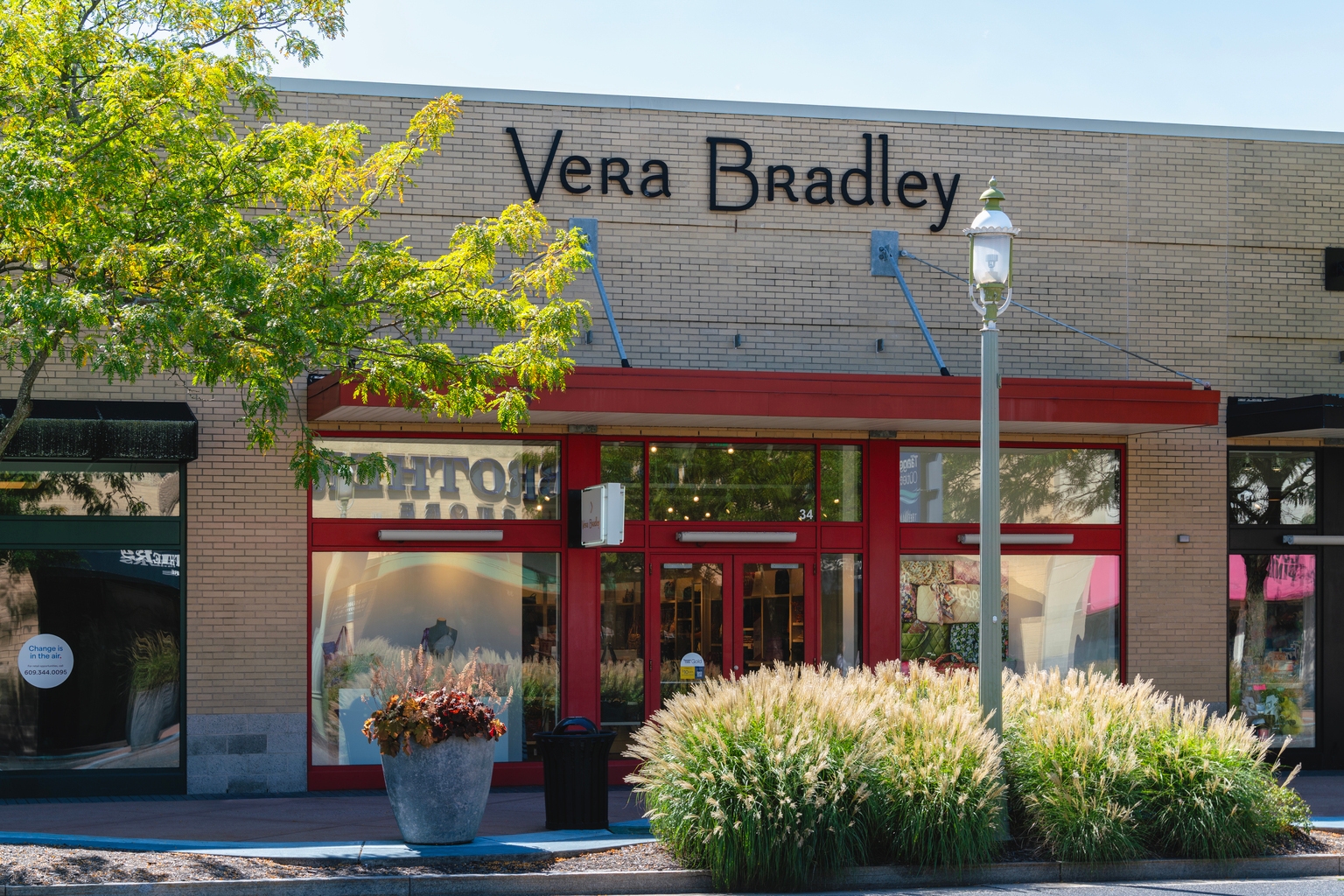
Vera Bradley is prioritizing profitability over top-line growth by slashing overhead. Watch for sustained SG&A reductions to drive a potential stock re-rate.
Continue with
Vera Bradley (VRA) reported a pivot in its financial trajectory as the company’s 'Project Sunshine' initiative delivered improved profitability through aggressive cost-cutting measures. The retailer is successfully shedding overhead, allowing the underlying value of its assets to surface in its balance sheet as management shifts focus toward margin restoration over top-line expansion.
The Mechanics of the Turnaround
Project Sunshine functions as a structural overhaul of VRA’s operational footprint. By reducing headcount and consolidating its supply chain, the firm has effectively lowered its break-even point. This shift is critical given the retail sector’s current sensitivity to discretionary spending and inventory bloat. Investors are now looking past the company’s recent revenue volatility to focus on the cash flow conversion rates emerging from these leaner operations.
Management’s emphasis on liquidation-value assets suggests a strategy aimed at de-risking the balance sheet. By monetizing non-core assets and streamlining inventory, VRA is attempting to establish a floor for its equity value. This approach provides a clearer picture for institutional holders who have historically struggled to value the brand amid high operational expenses.
Market Positioning and Retail Context
For traders, the VRA story represents a classic 'value-trap-to-turnaround' play. The retail sector remains under pressure from inflation, yet companies that successfully execute internal restructuring often decouple from broader industry trends. If VRA maintains its current pace of cost reduction, the market may re-rate the stock based on its improved operating leverage.
"Our focus remains on executing the Project Sunshine initiatives to drive sustainable profitability and long-term shareholder value through disciplined cost management," company leadership noted in the recent update.