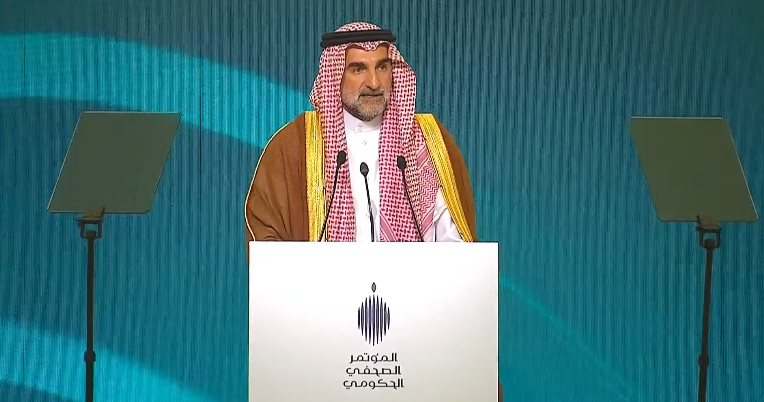
Public Investment Fund (PIF) Governor Yasir Al-Rumayyan has outlined a mandate to accelerate development across six core economic ecosystems. The strategy prioritizes the expansion of urban development, industrial capacity, and energy infrastructure to further the kingdom's Vision 2030 objectives.
Scaling the PIF Portfolio
The PIF is shifting from a passive sovereign wealth fund to an active engine of domestic industrialization. By targeting urban and energy-heavy sectors, the fund aims to diversify revenue streams away from traditional hydrocarbon reliance. This strategy involves heavy capital allocation into regional infrastructure projects that serve as catalysts for private sector participation and foreign direct investment.
- Urban Development: Focused on large-scale smart city infrastructure and residential expansion.
- Industrial Capacity: Prioritizing manufacturing localization to reduce import dependency.
- Energy Infrastructure: Expanding renewable capacity and localized supply chains.
"Our focus remains on building resilient economic ecosystems that can sustain long-term growth and create high-value opportunities for the local workforce," Al-Rumayyan stated during the briefing.
Market Implications and Capital Flow
The pivot toward these specific ecosystems suggests a sustained commitment to heavy capital expenditure, which has direct consequences for regional and global markets. Traders monitoring stock market analysis should note that the PIF's aggressive deployment of capital creates significant demand for construction, engineering, and energy technology firms. When sovereign funds of this scale shift focus, the resulting contract flow often dictates pricing power for international partners.
For investors, the PIF's strategy creates a clear roadmap of where state liquidity will be concentrated. The focus on energy and industrial ecosystems suggests that companies with exposure to regional infrastructure projects will likely see a more stable pipeline of work. However, this also introduces concentration risk for those heavily reliant on specific project timelines which are susceptible to bureaucratic and logistical delays.
What Traders Are Watching
The market is currently looking for specific milestones regarding these six ecosystems. Key areas of focus include:
- Contract Awards: The pace at which these projects move from planning to procurement.
- Private Sector Co-Investment: The degree to which private capital follows PIF leads, providing a gauge of project viability.
- Regional Energy Pricing: How investments in renewable energy infrastructure impact the long-term cost structures of local industrial entities.
Expect the PIF to continue prioritizing localized supply chains over imported solutions. This shift effectively raises the barrier to entry for international firms that do not have a physical presence or joint-venture agreements within the region. Those looking to track the broader effects of these capital deployments should watch indices tied to regional industrial and energy sectors closely. The PIF's influence is now a primary variable in the valuation of major contractors and energy service providers operating within the MENA region.