US Weighs $100,000 Fee for Foreign Graduates' Work Program
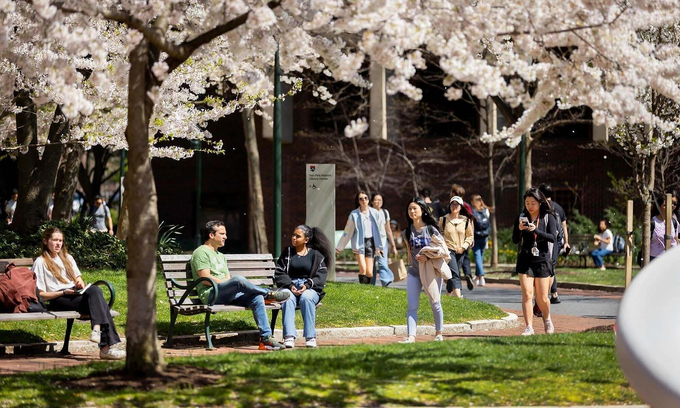
The U.S. weighs a $100,000 OPT fee for 418,781 foreign graduates. ICE has opened a fraud crackdown, and a similar H-1B fee was struck down in court.
The U.S. government is weighing a $100,000 fee for the Optional Practical Training program, the work-authorization pathway that lets international graduates stay in the country for one to three years after completing their degrees. OPT is widely used as a bridge from the F-1 student visa to the H-1B work visa, The Wall Street Journal reported. The three-year ceiling comes from the 24-month STEM extension available to graduates in qualifying fields.
The proposal is under discussion at the Department of Homeland Security. A White House official familiar with the matter told The Independent that the administration is not expected to announce changes to OPT in the near term.
The fee fits a broader push to make foreign work authorization more expensive. The same $100,000 charge was floated for H-1B visas, the main route employers use to bring in skilled foreign workers, Bloomberg reported. A federal judge ruled that fee illegal last month, and the White House is appealing. The H-1B case remains unresolved while DHS considers what to do on OPT.
Nearly 300,000 international students were on OPT as of last fall, about one-quarter of all foreign students in the U.S., according to the Institute of International Education. The IIE count reflects participation in a single semester. Official data posted on a congressional website last May is broader: 418,781 OPT participants among 1.58 million F-1 and M-1 students and recent graduates in calendar year 2024, or roughly 26%.
Fee plan follows an H-1B court loss
Supporters argue OPT is what keeps graduates from taking U.S.-earned skills home immediately after commencement. NAFSA, the Association of International Educators, called it "a key tool to maintain America's standing as the leading destination for global talent" in a report last year, citing survey data that post-study work opportunities now shape where students enroll. The report said removing the window would push graduates toward competing destinations.
Who would pay is the first design question. Students file the OPT application, and employers sponsor the job; universities certify enrollment. The cost could be loaded onto any one of them. DHS has not stated which route it prefers.
Fraud crackdown raises a separate risk
Administration officials argue OPT can facilitate visa fraud and overstays. Acting ICE Director Todd Lyons announced a nationwide crackdown on May 12, 2026, calling the program "a magnet for fraud" at a Homeland Security Investigations briefing. Investigators have identified more than 10,000 foreign students claiming employment with "highly suspect employers," Lyons said, warning that "more actions are forthcoming," according to ICEF Monitor. His remarks rank among the clearest public statements from DHS leadership on the program.
Enforcement changes the math for employers as much as a fee does. OPT hires carry no prevailing-wage requirement, and many are exempt from certain payroll taxes, which makes them cheaper than comparable U.S. workers. The Congressional Research Service notes critics say that puts U.S. workers at a disadvantage. WashTech, which has repeatedly sued over the program, argues in congressional filings that the cost gap is precisely the point.
Fee exposure for universities and STEM employers
International enrollment is a visible revenue line for U.S. universities. The U.S. hosted about 1.18 million international students in the 2024-25 academic year, according to the Open Doors report. Vietnam supplied nearly 25,600 of them, a 16% increase from the prior year and good for fifth place behind India, China, South Korea and Canada.
For STEM-heavy employers, OPT sits outside the H-1B lottery, which makes it a dependable way to keep graduates working while a capped petition is in process. The program is also cheaper than most visa routes because it carries no prevailing-wage requirement. The $100,000 fee removes that cost advantage; the fraud sweep removes the certainty.
A fee change of this scale moves through the federal rulemaking process, which includes a public comment period and a review by the White House's Office of Information and Regulatory Affairs. No proposed rule has been published, so there is no comment period yet. The H-1B fee ruling sits under appeal while DHS keeps the OPT fee under discussion. WashTech has already litigated the program in court multiple times.
Drafted by a large language model from the source reporting linked above, then screened by automated publishing checks. It is not read by a journalist before publication. Some articles cite our Alpha Score. Verify prices and figures against the original source. Educational coverage, not personalized advice.