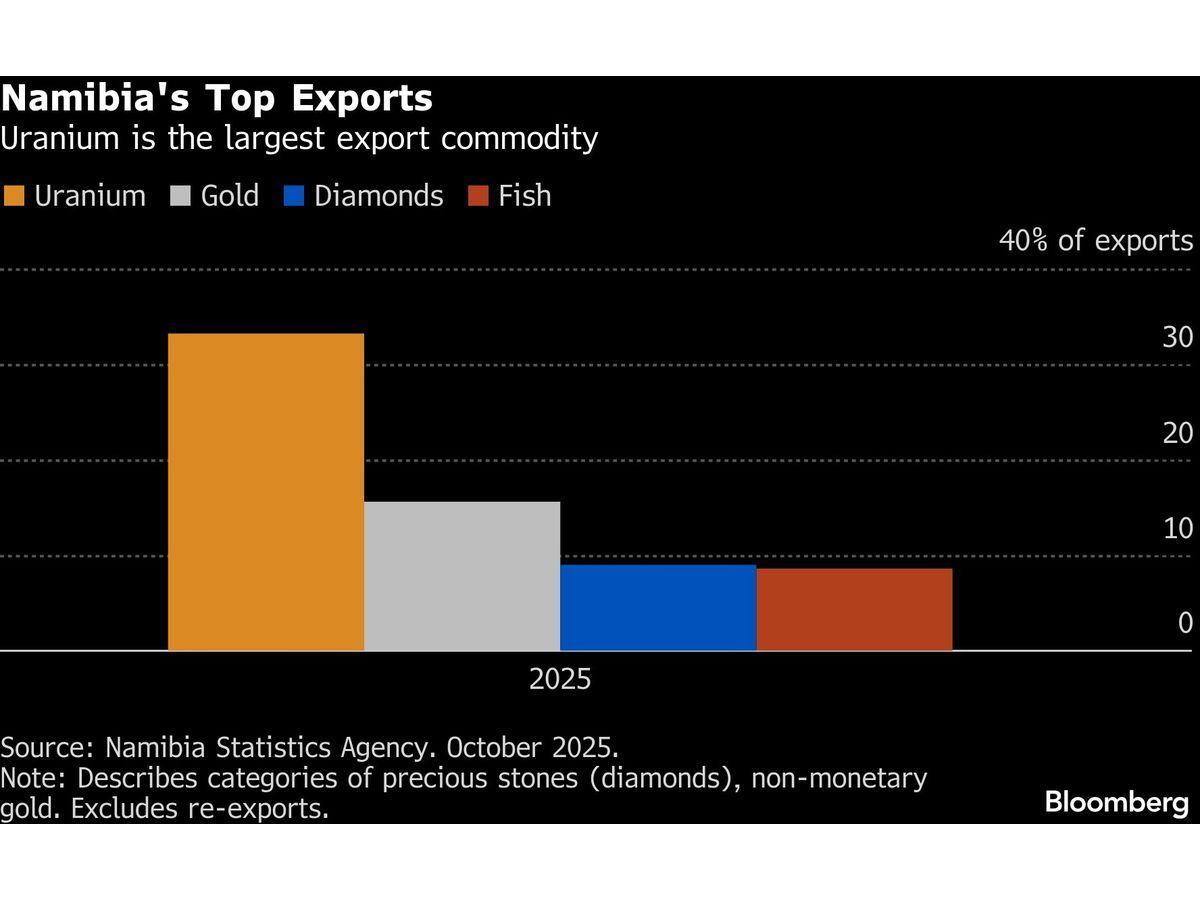
The United States is evaluating plans to increase uranium imports from Namibia, currently the world's third-largest producer of the nuclear fuel. This strategic shift is driven by the surging electricity requirements of artificial intelligence data centers, which are increasingly turning to nuclear energy to provide reliable, carbon-free baseload power.
Production and Supply Chain Security
Beyond direct imports, the US government is exploring mechanisms to support expanded uranium production within Namibia. By bolstering output in this region, the US aims to diversify its fuel supply chain and reduce reliance on existing dominant market participants. This initiative aligns with broader efforts to secure the fuel cycle necessary for the anticipated expansion of nuclear capacity across the domestic power grid.
Demand Drivers and Energy Infrastructure
The push for additional uranium supply is a direct response to the energy-intensive nature of modern AI infrastructure. As technology firms seek to meet high power demands without compromising sustainability targets, nuclear energy has emerged as a primary solution. This demand shift is prompting a reevaluation of global supply sources, with Namibia positioned as a critical partner in meeting the projected shortfall in nuclear fuel availability. For further insights on shifting energy markets, see our commodities analysis.