Commodities● Neutral
US Jets Fire on Iran Tankers, Oil Slick Near Kharg Threatens Supply
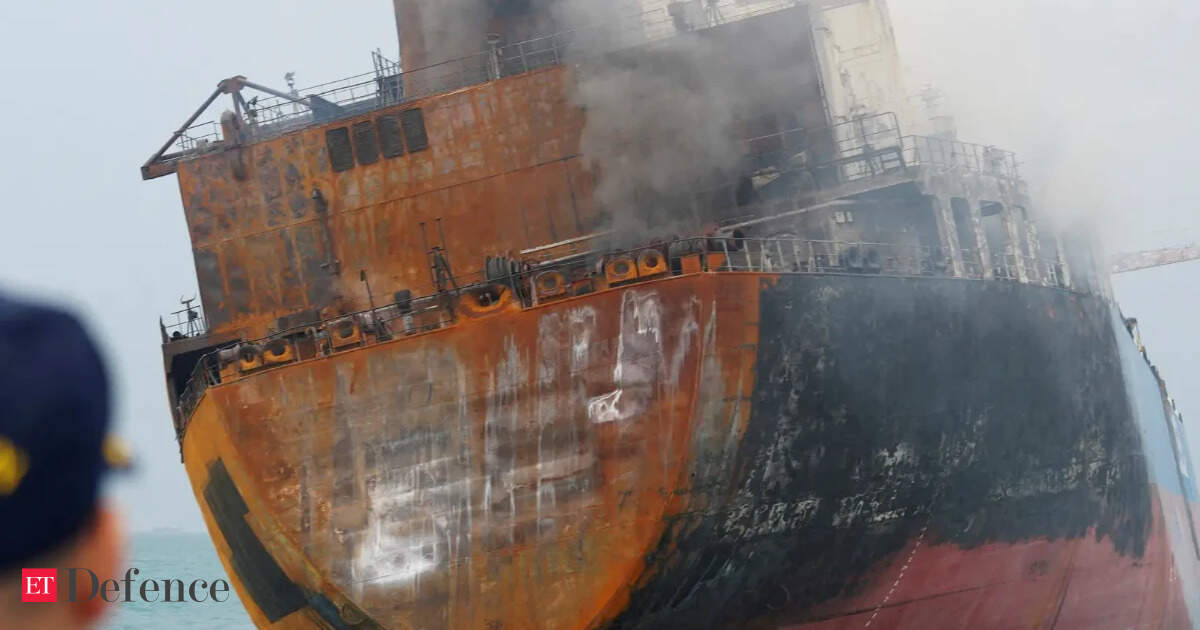
Attack raises immediate supply disruption risk for a major export hub, adding geopolitical premium as Iran questions US diplomacy. Crude markets will open with a risk bid absent immediate de-escalation.
Continue with
US fighter jets struck Iranian tankers in the Gulf, triggering Iranian retaliation and an oil slick near Kharg Island. The incident instantly raises the risk of a physical supply disruption at Iran’s main export terminal, adding a fresh geopolitical premium to crude markets just as a diplomatic deal hangs in the balance.
The Catalyst: Strikes and an Oil Slick
Tehran has not responded to Washington’s latest peace proposal, and Iran now openly doubts US sincerity following the naval clashes. The direct attack on tankers marks a sharp escalation from the shadow war that has periodically flared in the region. An oil slick off Kharg Island suggests that at least one vessel loaded or berthed near the terminal may have been damaged, threatening loading schedules.
Kharg Island is Iran’s premier export hub, handling the vast majority of the country’s crude shipments. Even a temporary disruption or precautionary shutdown there would instantly tighten physical barrels in an already backwardated market. Insurance and freight costs for Gulf transit are likely to spike, raising the effective cost of crude for refineries across Asia and Europe.
Why Kharg Island Disruption Hits Differently
The market has absorbed plenty of geopolitical noise this year, but a confirmed outage at Kharg Island is a materially different signal. Unlike proxy attacks or missile barrages that often miss energy infrastructure, a disruption at the loading terminal itself directly curbs supply. The oil slick suggests this event is no longer just a threat: it is a physical incident that can disrupt vessel movements and force port closures.
Iran’s ability to load crude is critical to keeping its exports flowing amid sanctions evasion. Even a few days of loading delays can force buyers to scramble for alternative barrels, tightening the Brent-Dubai spread and pushing flat prices higher. The timing right after the US peace proposal adds diplomatic complication: Tehran may now see further talks as pointless, extending the standoff and the supply risk.