Stocks● Neutral
India's New Navy Chief to Prolong Shipbuilding Demand Cycle
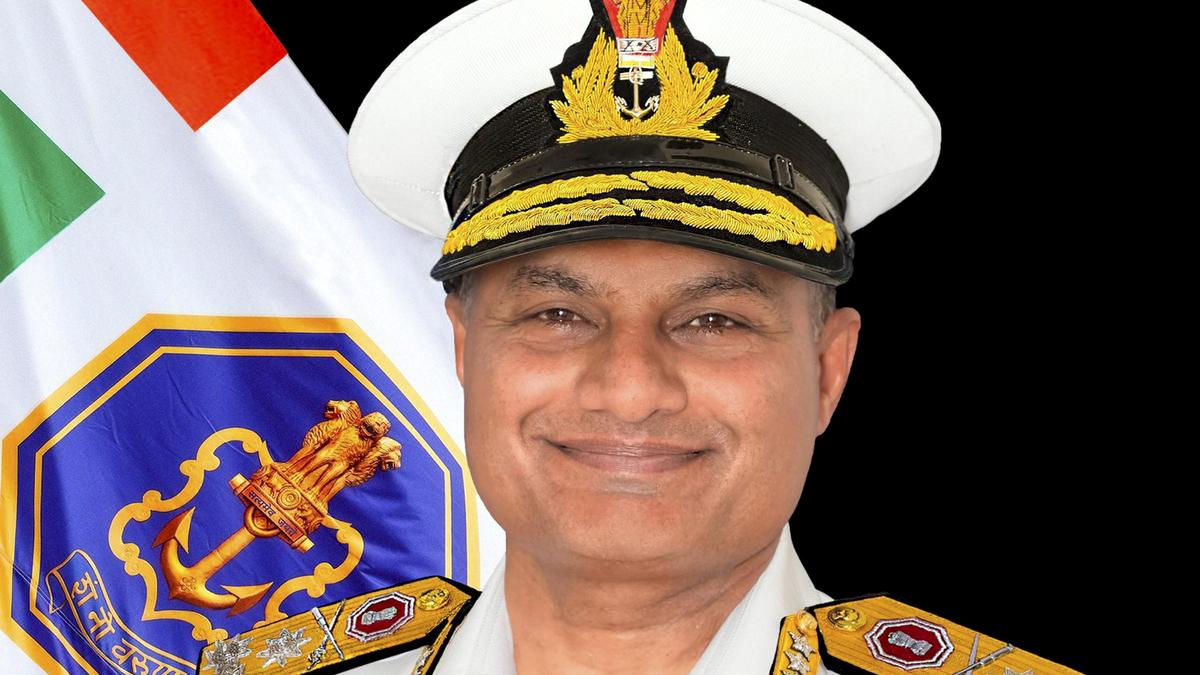
Vice Admiral Krishna Swaminathan assumes command May 31, reinforcing the Indian Navy's push for indigenous aircraft carriers and warships, which could sustain order backlogs for listed domestic shipyards.
Continue with
The government named Vice Admiral Krishna Swaminathan as the next Chief of the Naval Staff, with incumbent Admiral Dinesh Kumar Tripathi retiring on May 31. Swaminathan currently heads the Western Naval Command, the operational formation that oversees India’s most critical sea lanes and frontline warships. The transition itself was flagged weeks in advance by local media, but the market’s reaction will be shaped less by the appointment and more by the policy signal it locks in: the Indian Navy intends to keep pressing its multi-decade indigenisation drive, and that drive funnels directly into the order books of publicly listed defense manufacturers.
Swaminathan Takes Command May 31, Pledging Continuity in Modernisation
Vice Admiral Swaminathan, commissioned in 1987, is a specialist in communication and electronic warfare. He commands the Western Fleet’s capital ships and has previously served as Vice Chief of Naval Staff, where he was closely involved in force planning and modernisation initiatives. The navy is not changing course under new leadership; it is doubling down on a path that already created a pipeline of contracts for domestic shipyards. The source statement that his appointment comes “at a crucial juncture as the Navy continues to focus on indigenisation, carrier battle group capability and maritime security cooperation in the Indo-Pacific region” is the only catalyst line that matters for equity traders. It means the procurement strategy that benefited Mazagon Dock Shipbuilders, Garden Reach Shipbuilders & Engineers, Cochin Shipyard, and Bharat Electronics over the last five years is not a one-off budget cycle; it is a structural commitment backed by the officer who will run the navy for the next term.
Why the Navy’s Indigenisation Push Is a Multi-Year Demand Driver
Swaminathan’s curriculum vitae reads like the order-of-battle list a shipbuilding analyst tracks. He commanded the missile vessels INS Vidyut and INS Vinash, the corvette INS Kulish, the guided-missile destroyer INS Mysore, and the aircraft carrier INS Vikramaditya. That breadth–from fast-attack craft to the fleet’s sole operational carrier–signals two things for the supply chain. First, the navy’s leadership understands what platform availability really costs when maintenance and upgrades are sourced abroad, reinforcing the economic logic of the government’s Atmanirbhar Bharat push. Second, operational experience across the tonnage spectrum makes a future force mix that leans on the indigenous aircraft carrier program, next-generation destroyers, and an expanded submarine fleet more likely to survive budget scrutiny inside the defence ministry. The current naval plan already includes a third carrier, follow-on P17A frigates, and a new class of corvettes, all of which are awarded predominantly to Indian yards. A chief who has spent decades inside those hulls is unlikely to scrap them in favor of cheaper imports.