Stocks● Neutral
US-Japan Missile Production Fast-Track: Watchlist Guide
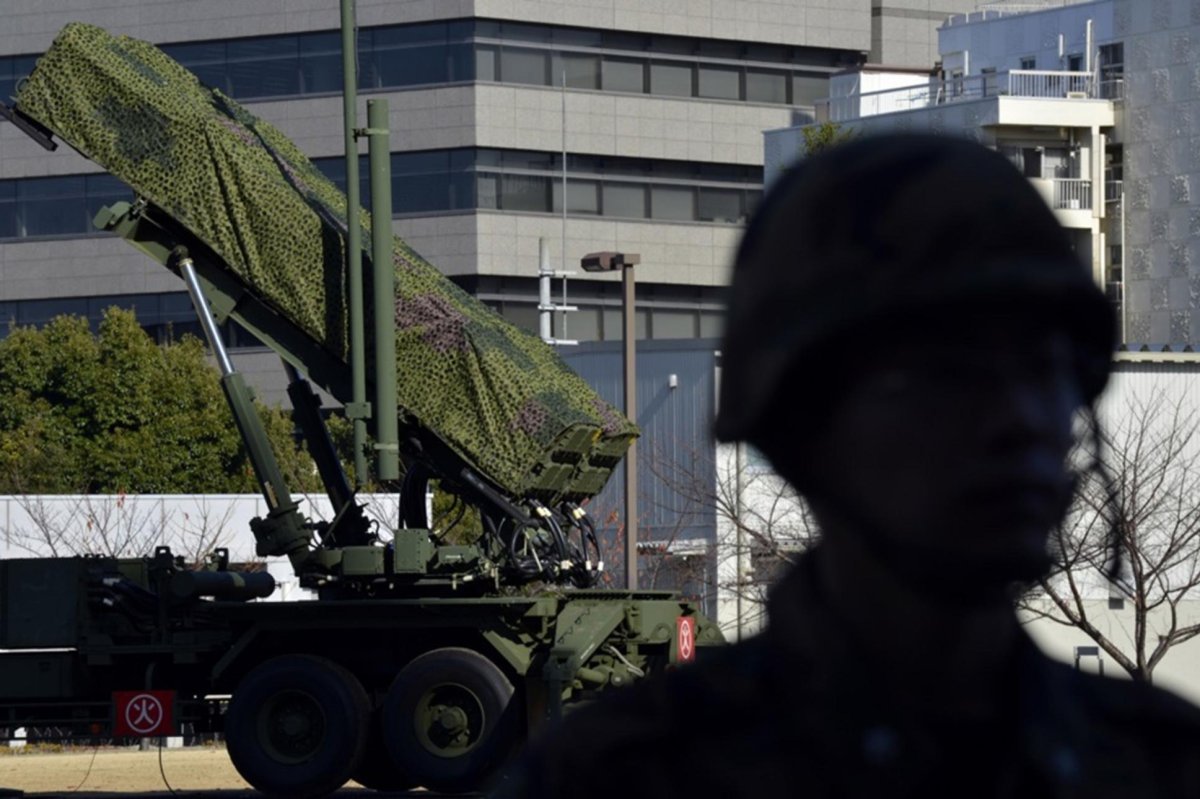
US and Japan agreed to fast-track joint missile development at the Shangri-La Dialogue. Japan's April export rule changes enable the shift. Key catalyst: security document revisions later this year.
Continue with
The United States and Japan agreed to accelerate joint missile development and production during talks at the Shangri-La Dialogue in Singapore on Friday. Japanese Defense Minister Shinjiro Koizumi and U.S. Defense Secretary Pete Hegseth reached the agreement. Japan's Defense Ministry said the two sides would speed up joint missile development and production and strengthen cooperation with Australia on missile defense information-sharing.
The agreement is the latest signal that the U.S.-Japan alliance is deepening industrial and operational integration in response to China's military buildup. For investors tracking defense spending and geopolitical risk, the implications go beyond the headline of burden-sharing.
Joint Missile Production: More Than a Procurement Contract
Joint missile development and production is not a simple procurement deal. It involves technology transfer, co-investment in production lines, and integration of supply chains across two countries. For the U.S., it means forward-deploying production capacity closer to potential conflict zones. For Japan, it means gaining access to advanced missile technology and building a domestic industrial base for defense exports.
The common interpretation of this agreement is that the U.S. is pressuring Japan to spend more on defense. That is true on one level. The deeper shift involves industrial policy. The U.S. needs a forward deterrence network in the Indo-Pacific that can sustain production without relying solely on American factories. Japan needs a larger security role and a defense industrial base that can operate independently. The agreement reflects a mutual interest in supply chain resilience and technology co-development.
Hegseth called for alliances based on burden-sharing rather than dependence. That framing will dominate most headlines. The real story for investors is the shift in how the U.S. and Japan produce and export defense equipment.
The Enabling Mechanism: Japan's April Export Rule Changes
Japan's April revisions to defense equipment transfer rules are the enabling mechanism for this agreement. The changes make it easier for Tokyo to export defense equipment, including components and finished systems produced under joint programs. That opens the door for Japanese firms to participate in global defense supply chains as suppliers, not just as buyers.
Koizumi explained the revisions during the talks. He also noted Japan's plan to revise three major national security documents this year. These documents will define the scope of Japan's military role, including whether it can acquire offensive strike capabilities and how it will manage defense exports. The outcome of those revisions will determine the pace and scale of joint missile production.
Risk Factor: Technology Transfer Disputes
Joint production agreements often stall over intellectual property and export control issues. U.S. law restricts the transfer of certain missile technologies. Japan's export rules, while relaxed, still require case-by-case approvals. Investors should watch for delays in specific programs if either side tightens technology access.
Koizumi described the U.S.-Japan alliance as having a "very heavy mission" to further strengthen deterrence and response capabilities. Hegseth welcomed Japan's defense buildup and expanded training between the Self-Defense Forces and the U.S. military. He said Japan's relaxed export rules would contribute to regional deterrence and stability.