Macro● Neutral
Vance Leads U.S.-Iran Talks in Islamabad: Market Impact Analysis
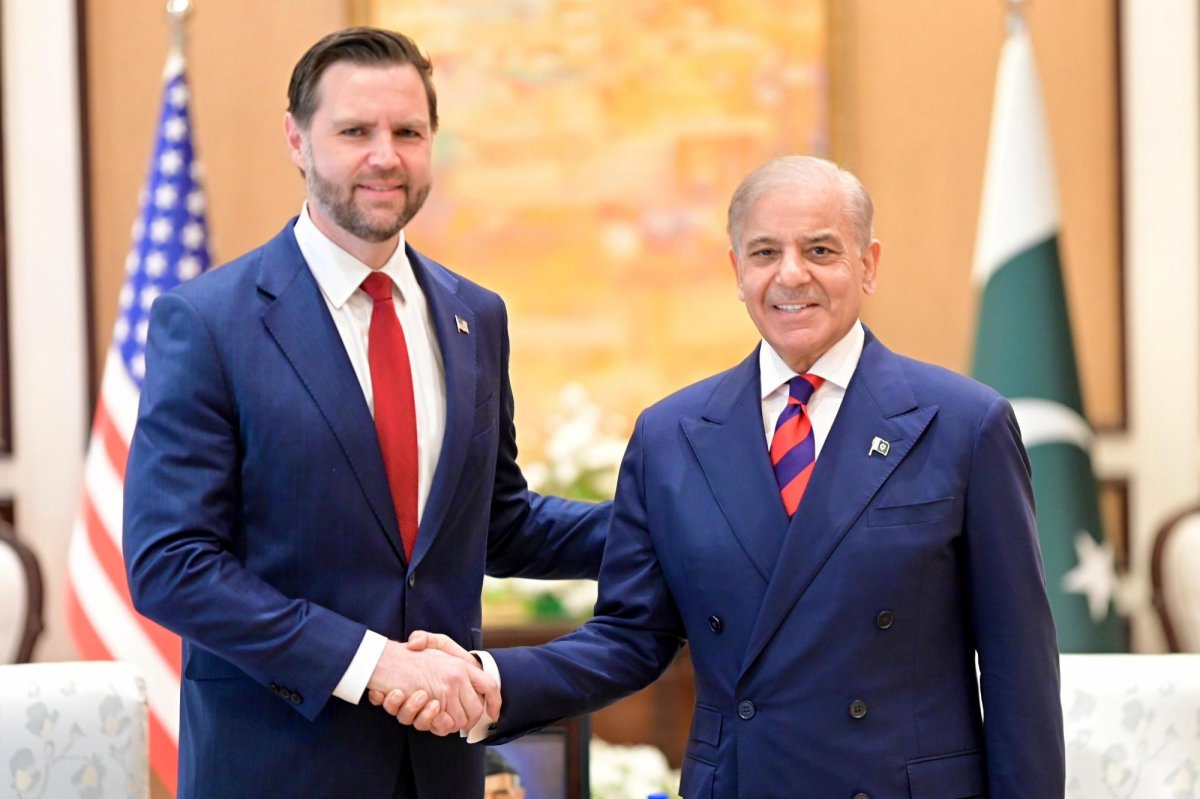
Direct negotiations in Pakistan signal a potential shift in regional policy, threatening to compress the geopolitical risk premium in CL oil futures.
Continue with
A Pivot in Middle Eastern Geopolitics
In a move that has sent ripples through global markets and caught the attention of geopolitical analysts, Vice President JD Vance arrived in Islamabad, Pakistan, on Saturday morning to commence formal diplomatic negotiations with an Iranian delegation. The meeting, which began shortly after the Vice President’s arrival, marks a significant shift in the strategic engagement between Washington and Tehran, potentially signaling a cooling of long-standing tensions that have historically dictated volatility in energy and defense sectors.
While the specific agenda of these peace talks remains closely guarded, the mere fact of direct, high-level engagement in a neutral third-party location suggests a concerted effort by the current administration to establish a new framework for de-escalation. For market participants, the significance of this development cannot be overstated, as the U.S.-Iran relationship has long been a primary driver of geopolitical risk premiums in the global commodity markets.
Contextualizing the Diplomatic Shift
For years, relations between the United States and Iran have been characterized by cyclical episodes of sanctions, regional proxy conflicts, and restricted communication channels. The selection of Islamabad as the host city is noteworthy; Pakistan has frequently served as a strategic intermediary in regional diplomacy. By positioning Vice President Vance at the forefront of these discussions, the White House is signaling that these talks are a top-tier priority, moving beyond the traditional back-channel diplomacy that has defined previous years.
Historically, any easing of friction between these two powers has been viewed by the markets through the lens of supply-side stability. Should these negotiations lead to a broader thaw in relations, the potential for Iranian energy exports to return to global markets without the overhang of stringent sanctions could radically alter the supply-demand balance for crude oil.