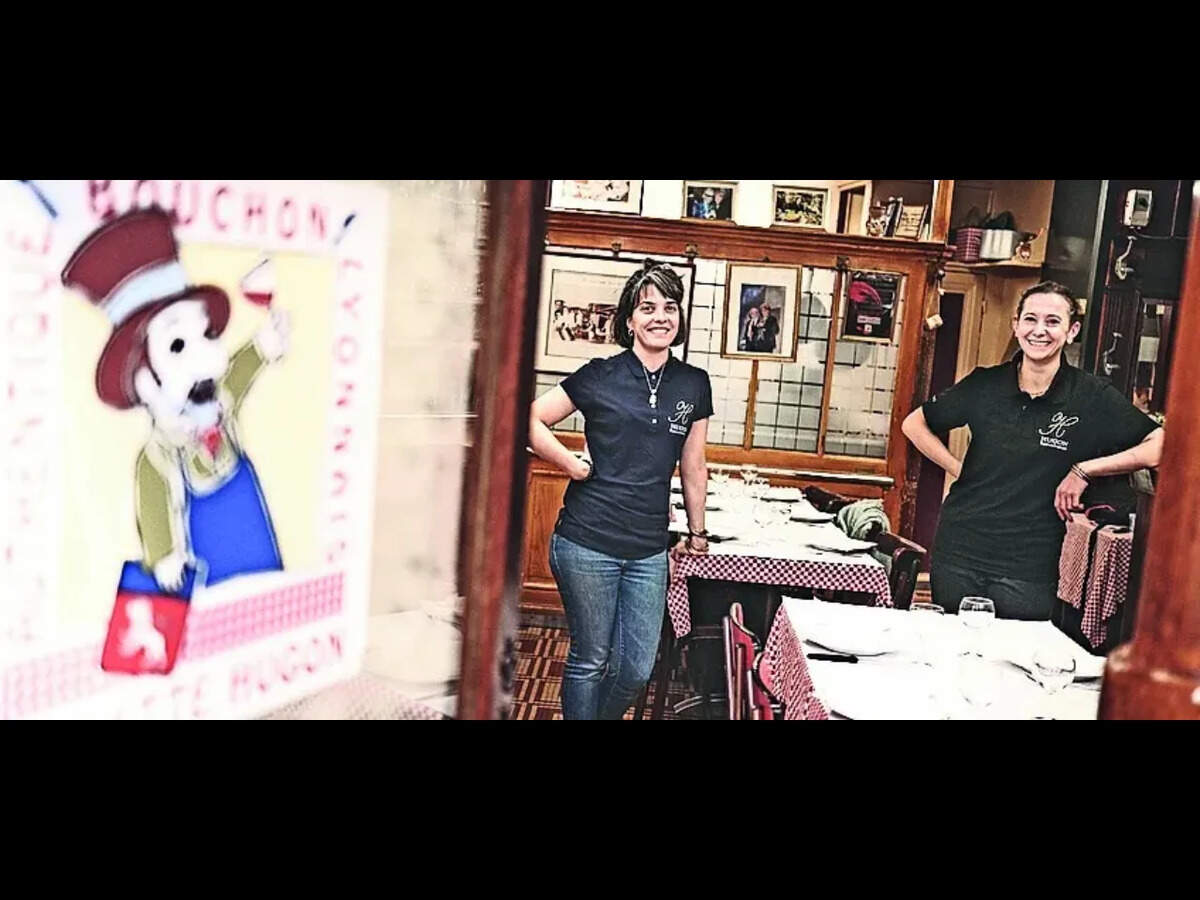
The Culinary Capital: Why Lyon Remains the Epicenter of French Gastronomy

Lyon continues to dominate the culinary landscape through its historic bouchons and the enduring legacy of the 'Mères of Lyon,' providing a masterclass in regional brand preservation.
The Culinary Heartbeat of France
While Paris may hold the title of the nation’s political and financial center, Lyon has long maintained its undisputed status as the true capital of French gastronomy. For investors and cultural analysts alike, Lyon represents a unique case study in how regional traditions can create a durable, high-value brand that sustains a local economy for centuries. The city’s culinary landscape is not merely a collection of restaurants; it is a meticulously preserved heritage that continues to shape the global perception of French cuisine.
The Legacy of the ‘Mères of Lyon’
To understand the prestige of Lyonnaise dining, one must look to the history of the 'Mères of Lyon' (Mothers of Lyon). These formidable female figures emerged in the 18th and 19th centuries, initially working as domestic cooks for the city’s wealthy bourgeois families. Following the French Revolution and the subsequent economic shifts, many of these women ventured out to establish their own independent eateries.
These pioneers were not just cooks; they were culinary entrepreneurs who laid the groundwork for modern French fine dining. By emphasizing high-quality, locally sourced ingredients and rigorous technique, they set a standard that elevated the city’s status. Their influence is still felt today, as modern chefs across France continue to cite these women as the foundational architects of classic French cookery.
The 'Bouchon' as a Cultural Institution
Central to the city’s gastronomic identity is the 'bouchon.' These traditional Lyonnaise restaurants are the keepers of the flame, serving as a direct link to the past. A true bouchon is characterized by its unpretentious atmosphere, hearty portions, and an unwavering commitment to regional staples—think pike quenelles, saucisson brioché, and slow-cooked meats.
For the discerning observer, the bouchon represents a masterclass in brand consistency. Despite the global trend toward culinary fusion and modernization, these establishments have largely resisted the urge to dilute their offerings. By maintaining their authentic roots, they have secured a permanent place in the global tourism market, ensuring that Lyon remains a mandatory destination for culinary pilgrims. This preservation of authenticity serves as a stabilizer for the local hospitality sector, shielding it from the volatility often seen in more trend-dependent restaurant markets.
Market Implications and Regional Value
Why does this matter for the broader market? Lyon’s ability to monetize its cultural heritage provides a blueprint for regional economic development. The city’s culinary reputation drives a robust hospitality and tourism industry that supports a wide ecosystem of supply chains, from local viticulturists in the nearby Beaujolais and Rhône regions to independent producers of artisanal meats and cheeses.
For investors monitoring the European luxury and travel sectors, the 'Lyon Model' demonstrates the long-term value of intangible cultural assets. Unlike cyclical industries prone to rapid disruption, the culinary heritage of Lyon acts as a 'moat,' protecting the city’s market share in the premium tourism segment. As global consumers increasingly prioritize 'authentic' experiences over standardized luxury, Lyon’s steadfast adherence to its culinary roots positions it favorably for continued growth.
Future Outlook
Looking ahead, the challenge for Lyon will be balancing the preservation of these traditional bouchons with the inevitable pressures of globalization and modernization. As younger generations of chefs enter the fold, the integration of sustainable sourcing—beyond the traditional regional scope—will likely be the next frontier. Investors and industry analysts should watch how these traditional institutions adapt their supply chains to meet modern sustainability mandates without sacrificing the authentic character that has defined their success for generations.