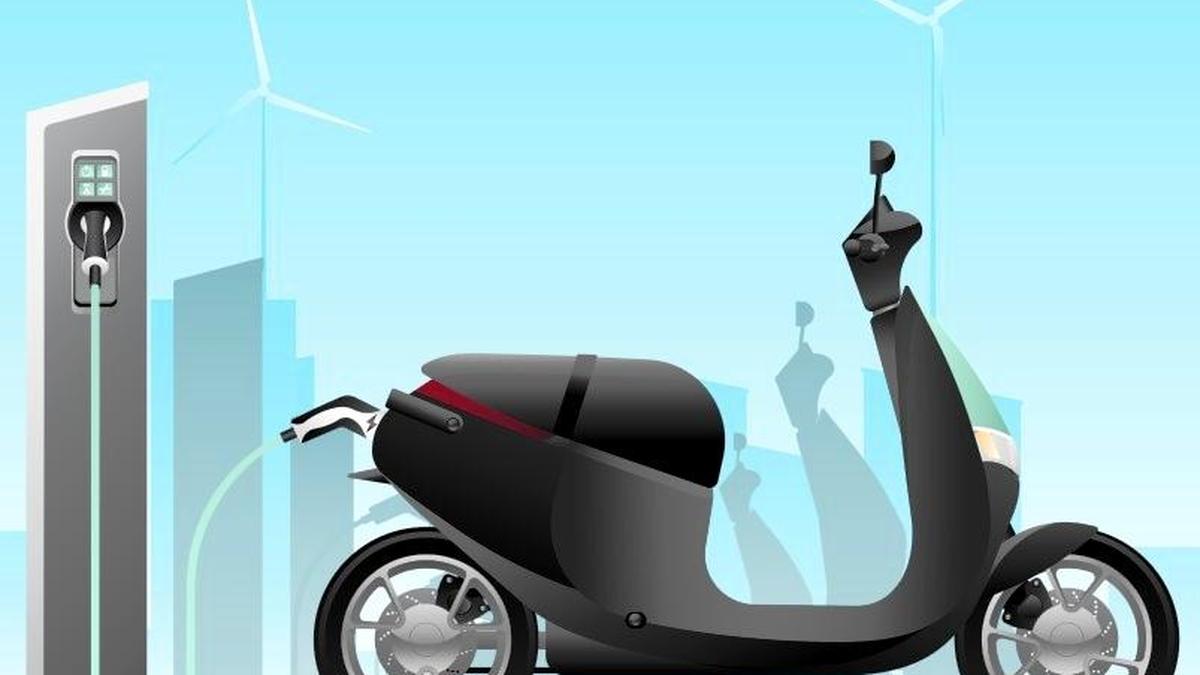
A Decisive Shift in Urban Mobility
The National Capital Territory of Delhi has officially set a definitive timeline for the electrification of its commercial and private vehicle sectors. In a move designed to decouple the city’s economic growth from fossil fuel consumption, the government has mandated that all three-wheeler vehicles must transition to electric power by 2027, with two-wheelers following suit by 2028. This policy framework represents one of the most aggressive decarbonization schedules in South Asia, signaling a permanent shift in the regional automotive landscape.
The Policy Framework: Infrastructure and Incentives
This mandate is not merely a regulatory decree; it is supported by a robust ecosystem of fiscal incentives and infrastructure development. Recognizing that adoption hurdles—such as range anxiety and high upfront capital expenditure—remain the primary barriers for consumers and fleet operators, the Delhi government is positioning its EV policy as a holistic solution. By subsidizing the cost of acquisition and accelerating the deployment of charging stations, the administration aims to create a self-sustaining market for electric vehicles.
For commercial operators, the transition to electric three-wheelers by 2027 is expected to significantly lower the Total Cost of Ownership (TCO). As fuel prices remain volatile, the shift to electric power offers a predictable operational expense, which is critical for the gig economy and last-mile delivery sectors that rely heavily on these vehicles.
Market Implications: What Traders Should Watch
For investors and market participants, the Delhi mandate acts as a massive catalyst for the domestic EV supply chain. The deadline-driven nature of this policy creates a guaranteed demand floor for original equipment manufacturers (OEMs), battery chemistry providers, and charging infrastructure developers.
- OEM Consolidation: Expect increased capital allocation toward R&D and production capacity for two- and three-wheeler EV models as manufacturers race to capture market share before the 2027/2028 deadlines.
- Energy Sector Impact: The surge in EV adoption will necessitate grid upgrades. Investors should monitor utilities and companies involved in renewable energy integration, as the demand for electricity is set to rise, potentially creating new revenue streams for power distributors.
- Component Manufacturers: The reliance on battery packs, power electronics, and electric drivetrains will drive localized manufacturing, benefitting companies integrated into the broader Indian automotive component ecosystem.
Historical Context and Competitive Advantage
Delhi’s move follows a global trend of metropolitan centers implementing strict emissions standards to combat urban air quality issues. However, the specificity of the 2027-2028 timeline distinguishes it from broader, more ambiguous national targets. By setting concrete dates, Delhi provides the market with the regulatory certainty required for long-term project financing and infrastructure investment.
This policy also places pressure on other major Indian metropolitan areas to synchronize their own sustainability efforts. If Delhi successfully navigates the transition without paralyzing the logistics or public transport sectors, it will likely serve as the blueprint for other Tier-1 cities, creating a massive, multi-year tailwind for the domestic electric vehicle industry.
Looking Ahead: The Road to 2027
As the clock ticks toward the 2027 deadline, stakeholders should monitor three key variables: the growth rate of public and private charging point installations, the stability of government-backed subsidy programs, and the capability of the local power grid to handle the projected load increase. The coming years will likely be marked by intense competition among manufacturers to secure market share, as the transition to electric mobility in Delhi moves from a policy aspiration to a hard market necessity.