Macro● Neutral
Northern Ireland Fuel Protests Signal Rising Economic Strain
Coordinated blockades highlight systemic energy affordability risks across the region. Watch for legislative shifts in fuel tax as the next major catalyst.
Continue with
A Unified Front Across the Border
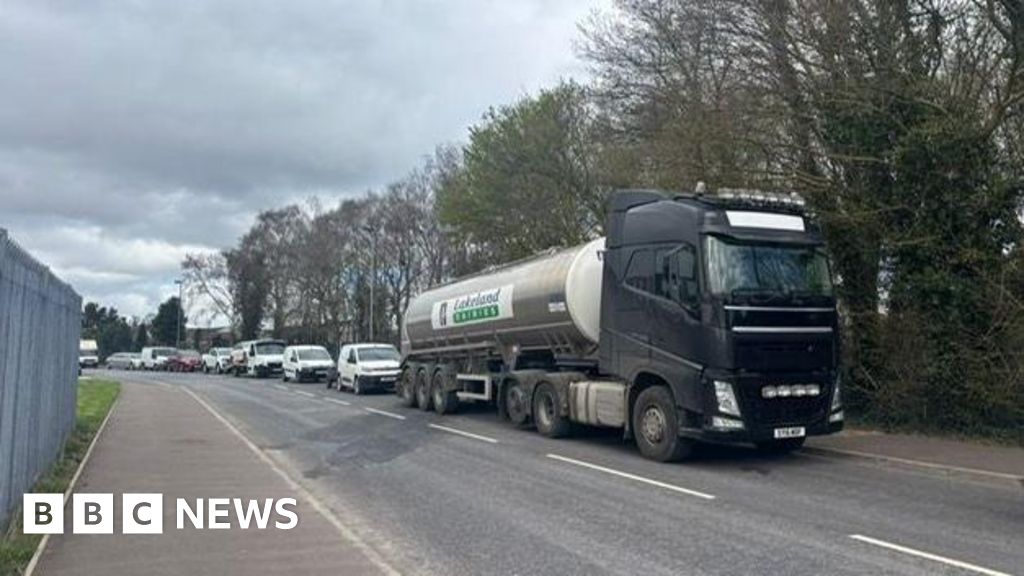
Economic agitation reached a fever pitch in Northern Ireland this past Saturday, as a diverse convoy of heavy goods vehicles, tractors, vans, and even a limousine staged a slow-moving blockade through the town center. The demonstration, characterized by deliberate traffic disruption, was explicitly framed by participants as a show of solidarity with their counterparts in the Republic of Ireland, who have been mounting their own campaigns against the rising costs of living and soaring fuel prices.
This coordinated display of public discontent highlights a deepening regional fracture over energy affordability. For logistics operators, agricultural workers, and private commuters alike, the current inflationary climate has rendered the cost of fuel not merely an inconvenience, but an existential threat to business viability. The inclusion of heavy machinery and commercial vehicles in the protest underscores the specific vulnerability of the transport and farming sectors, which operate on razor-thin margins that are quickly eroded by volatile energy markets.
The Anatomy of the Protest
While the protest was localized in its geography, the sentiment driving the participants is part of a broader, systemic trend. Participants utilized slow-moving tactics to maximize visibility and disrupt urban traffic flows, a hallmark of recent European protest movements targeting government fiscal policy. By aligning themselves with the Irish movement, these protesters are effectively creating a cross-border pressure campaign, forcing policymakers to address the stark disparity between current fuel duty structures and the reality of pump prices.
Observers noted that the eclectic mix of vehicles—ranging from high-end limousines to essential agricultural tractors—signaled a broad-based frustration that transcends specific income brackets or industries. It suggests that the inflationary squeeze is being felt across the entire economic spectrum of the region, creating a rare alignment of interests between disparate economic actors.