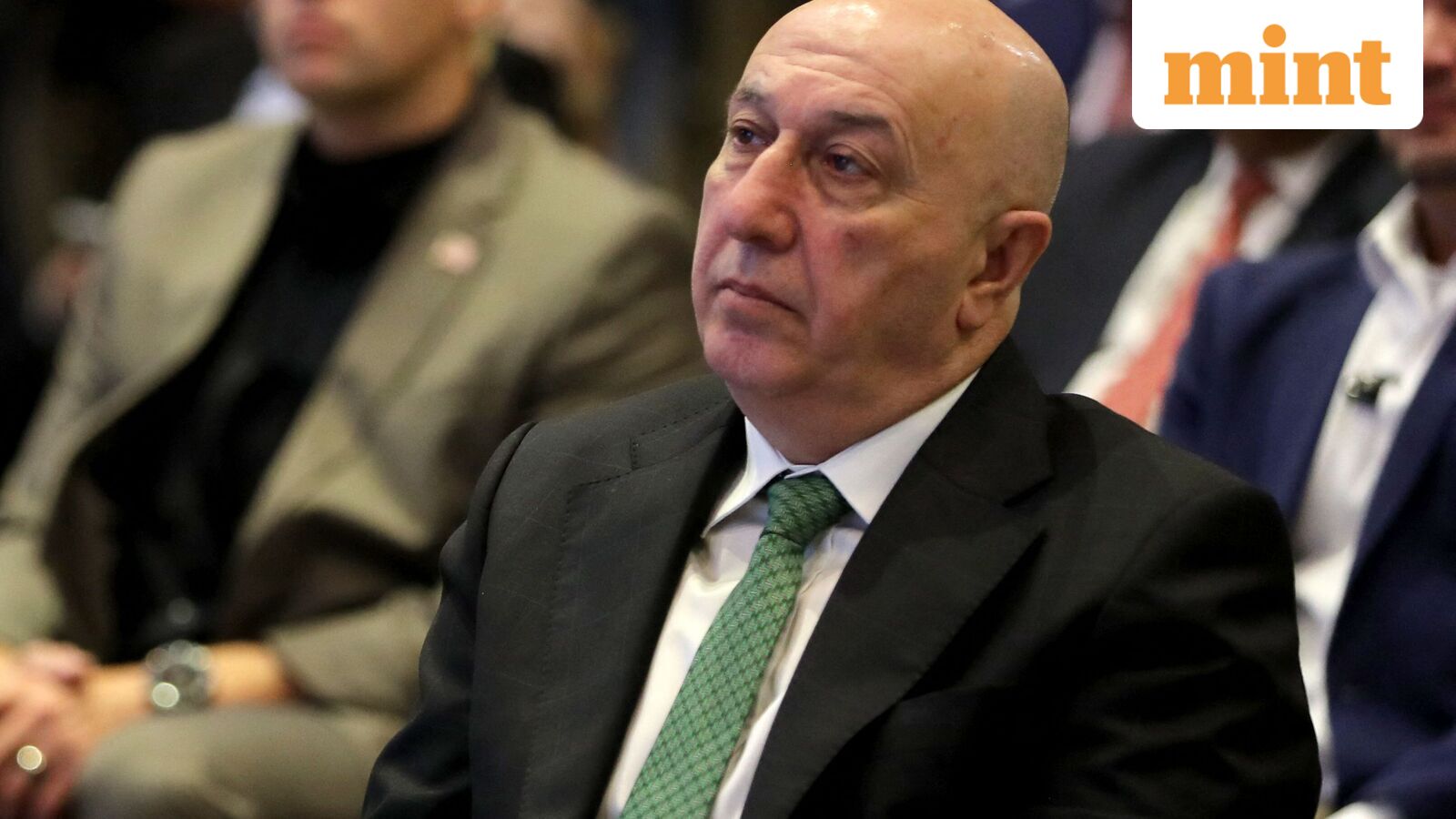
A Decisive Shift in Baghdad
In a move that promises to inject long-awaited stability into Iraq’s fractured political landscape, the Iraqi Parliament has officially elected Nizar Amedi as the nation’s new President. The election, which concluded after a grueling two-month legislative impasse, signals a potential turning point for a country grappling with the dual pressures of regional geopolitical instability and domestic economic reform.
Amedi’s ascent to the presidency was confirmed by a decisive margin. In the final parliamentary tally, he secured 227 votes, comfortably outpacing his primary challenger, Muthanna Amin Nader, who managed to garner only 15 votes. The lopsided result underscores a consolidation of support within the legislative body, suggesting that the primary political blocs have reached a consensus necessary to move forward with governance.
The Context of the Impasse
The two-month delay in selecting a head of state had previously stalled critical legislative processes, leaving investors and international observers concerned about the continuity of Iraq’s fiscal and oil policies. In a nation where political appointments are intricately tied to the distribution of power among ethnic and sectarian factions, the prolonged vacancy served as a bottleneck for national decision-making.
The election of Amedi provides a much-needed mandate for the administration to address the myriad challenges facing the Iraqi state. For traders and institutional investors, the resolution of this political deadlock is a critical indicator of the country’s ability to pass upcoming budget cycles and implement structural reforms that have been held in limbo since the previous parliament failed to reach a quorum.
Market Implications and Regional Stability
For the global energy markets and regional observers, Iraq’s political stability is paramount. As a key member of OPEC, Iraq’s ability to maintain a functional government directly impacts its capacity to coordinate production levels and engage with international partners on infrastructure projects.
The decisive 227-to-15 vote count suggests that Nizar Amedi enjoys a significant level of cross-party backing. For the investment community, this is a positive signal; a unified government is far more likely to facilitate the foreign direct investment (FDI) necessary to modernize Iraq’s aging energy sector and diversify its economy away from an over-reliance on crude oil exports.
However, the path forward remains complex. While the presidency is a vital pillar of the executive branch, power in Iraq remains highly decentralized. Market participants will be closely monitoring how Amedi navigates the relationship between the presidency, the Prime Minister’s office, and the various parliamentary factions that supported his bid.
What to Watch Next
As Amedi steps into his new role, the focus of the analyst community will shift toward the formation of key cabinet positions. Investors should look for signs of continuity in the Ministry of Finance and the Ministry of Oil. Any shifts in leadership within these specific portfolios will provide the clearest signal regarding the new administration’s fiscal priorities and its commitment to international debt obligations.
Moreover, the speed at which the new administration moves to finalize the national budget will be the ultimate test of the effectiveness of this new political consensus. Traders should monitor Iraqi sovereign debt spreads and regional currency stability as the initial reaction to this political resolution filters through the markets.