Back to Markets
Stocks● Neutral

US-India Trade Negotiations Signal Shift in Economic Alignment

US-India Trade Negotiations Signal Shift in Economic Alignment
ONAKEYAS

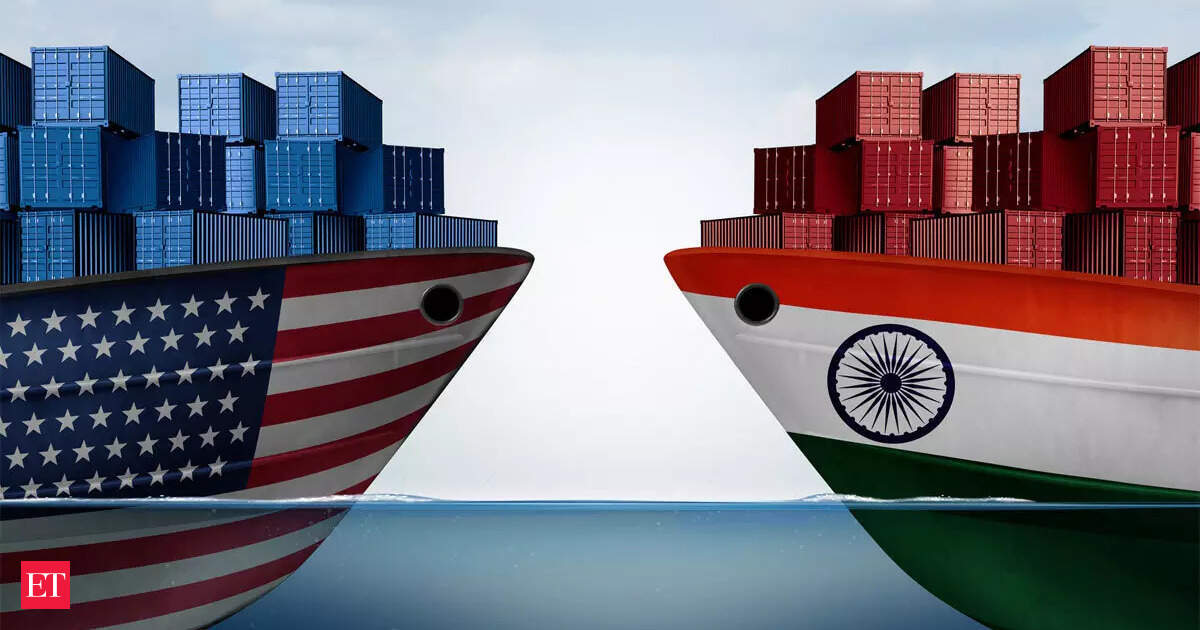
The US and India are nearing a trade agreement as officials resolve key disputes, signaling a significant shift in bilateral economic ties and potential impacts on cross-border supply chains.

AlphaScala Research Snapshot
Live stock context for companies directly referenced in this story
Alpha Score
45
Weak

Alpha Score of 45 reflects weak overall profile with strong momentum, poor value, poor quality, weak sentiment.

Alpha Score
55
Moderate

Alpha Score of 55 reflects moderate overall profile with moderate momentum, moderate value, moderate quality. Based on 3 of 4 signals — score is capped at 90 until remaining data ingests.

Financials
Alpha Score
70
Moderate

Alpha Score of 70 reflects strong overall profile with strong momentum, strong value, moderate quality, moderate sentiment.

Consumer Cyclical
Alpha Score
47
Weak

Alpha Score of 47 reflects weak overall profile with moderate momentum, poor value, moderate quality. Based on 3 of 4 signals — score is capped at 90 until remaining data ingests.

This panel uses AlphaScala-native stock data, separate from the source wire linked above.

The United States and India have reached a critical juncture in their bilateral trade negotiations, with senior officials confirming that the majority of core disputes have been resolved. This progress in Washington DC marks a transition from broad structural disagreements to the finalization of minor technical details. The move signals a tightening of economic ties between the two nations, potentially altering the landscape for multinational corporations operating across these jurisdictions.

Resolving Structural Trade Barriers

The shift toward a finalized agreement suggests that both governments are prioritizing the removal of long-standing impediments to market access. By narrowing the scope of negotiations to minor differences, the two sides have effectively bypassed the gridlock that previously characterized discussions on tariffs and regulatory alignment. This development is particularly relevant for sectors reliant on cross-border supply chains, as a formal deal would provide a more predictable framework for investment and trade flow.

For investors monitoring global stock market analysis, the resolution of these talks serves as a barometer for broader geopolitical stability. The ability to settle complex trade issues indicates a high level of diplomatic coordination, which often precedes broader cooperation in technology and manufacturing sectors. The focus now shifts to the timing of an official announcement, which will likely serve as the primary catalyst for market re-evaluations of companies with significant exposure to the Indian market.

Sectoral Read-Through and Economic Integration

The potential for a finalized trade deal provides a clearer path for companies looking to diversify their manufacturing footprints. As the US and India align on trade standards, the resulting policy consistency reduces the risk premium associated with international expansion. This is a notable pivot from the previous cycle of uncertainty that often hampered long-term capital allocation decisions for firms operating in both regions.

AlphaScala data currently reflects a mixed outlook for several major technology and financial firms, including ON stock page with an Alpha Score of 45/100, NOW stock page at 53/100, and KEY stock page at 70/100. These scores underscore the varied impact that shifting macroeconomic policies can have on different sectors. While the trade deal is a positive signal, the underlying health of these companies remains contingent on their specific operational resilience and market positioning.

The Path to Implementation

The next concrete marker for this narrative is the formal announcement of the agreement and the subsequent release of the finalized text. Market participants should monitor the specific provisions regarding digital trade and intellectual property, as these are often the final hurdles in such negotiations. The speed at which these provisions are integrated into national policy will determine the immediate impact on trade volumes and corporate sentiment.

Beyond the initial announcement, the follow-up will involve the legislative or regulatory adoption of these terms in both countries. Any delay in this process would likely introduce new volatility, as it would signal a return to domestic political friction. For now, the focus remains on the conclusion of the final technical discussions in Washington, which will set the stage for the next phase of the US-India economic partnership.

How this story was producedLast reviewed Apr 21, 2026

AI-drafted from named sources and checked against AlphaScala publishing rules before release. Direct quotes must match source text, low-information tables are removed, and thinner or higher-risk stories can be held for manual review.

Editorial Policy·Report a correction·Risk Disclaimer