Back to Markets
Commodities● Neutral

US Extends Russian Oil Waiver to Stabilize Global Energy Flows

US Extends Russian Oil Waiver to Stabilize Global Energy Flows

The US has extended a waiver allowing countries to purchase Russian oil until May 16 to stabilize energy markets amid rising geopolitical tensions in the Middle East.

The United States has issued a short-term waiver permitting nations to continue purchasing Russian oil loaded onto vessels through May 16. This policy adjustment serves as a tactical measure to maintain global energy supply stability during the ongoing conflict between the United States, Israel, and Iran. By extending the window for these transactions, the administration seeks to prevent sudden supply shocks that could exacerbate volatility in the crude oil profile and broader energy markets.

Geopolitical Pressure on Global Supply Chains

The decision to extend the waiver reflects the sensitivity of global energy markets to regional instability in the Middle East. As tensions escalate, the risk of disruption to major transit corridors increases, placing a premium on maintaining existing supply channels. The waiver functions as a pressure-release valve, ensuring that Russian barrels currently in transit or scheduled for loading remain available to international buyers rather than being forced off the market due to compliance fears.

This move highlights the delicate balance between enforcing sanctions and managing the inflationary impact of energy supply constraints. When geopolitical friction threatens to tighten physical supply, policymakers often prioritize market liquidity to avoid rapid price spikes. The May 16 deadline provides a defined window for buyers to adjust their procurement strategies while mitigating the immediate risk of a supply shortfall.

Impact on Maritime Logistics and Transit

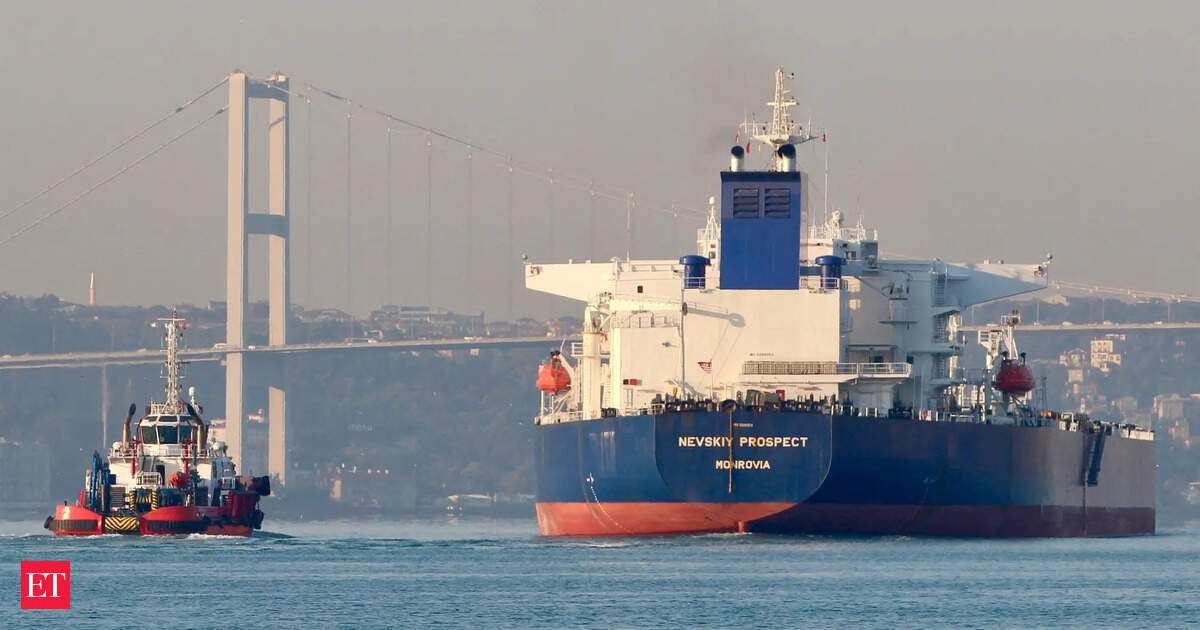
The extension directly influences the behavior of tanker operators and shipping firms navigating the current geopolitical landscape. Uncertainty regarding sanctions enforcement often leads to increased insurance premiums and logistical delays as operators seek to minimize exposure to potential penalties. By clarifying the status of Russian oil shipments through mid-May, the US provides a temporary layer of regulatory certainty that allows for more predictable maritime movement.

This development is particularly relevant given the ongoing Persian Gulf Production Constraints Signal Extended Market Tightness. As regional conflicts continue to affect shipping lanes, the ability of the market to absorb Russian supply becomes a critical factor in preventing further price escalation. The waiver effectively decouples a portion of Russian energy exports from the immediate volatility associated with the Middle East conflict, providing a buffer for global refiners.

AlphaScala data indicates that energy price volatility remains highly sensitive to shifts in maritime transit security and regulatory updates. The current extension serves as a primary indicator for how the administration intends to manage the intersection of energy security and foreign policy in the coming months.

Market participants should monitor the next concrete marker: the policy guidance issued by the US Treasury as the May 16 expiration approaches. Any signal regarding a further extension or a return to strict enforcement will serve as a significant catalyst for crude oil futures and global shipping rates. For further context on how these shifts impact the broader commodities analysis, observers should track the volume of tanker traffic originating from Russian ports in the weeks leading up to the deadline.

How this story was producedLast reviewed Apr 18, 2026

AI-drafted from named sources and checked against AlphaScala publishing rules before release. Direct quotes must match source text, low-information tables are removed, and thinner or higher-risk stories can be held for manual review.

Editorial Policy·Report a correction·Risk Disclaimer