Commodities● Neutral
Indian Cement Margins Squeezed by Rising Fuel and Packaging Costs
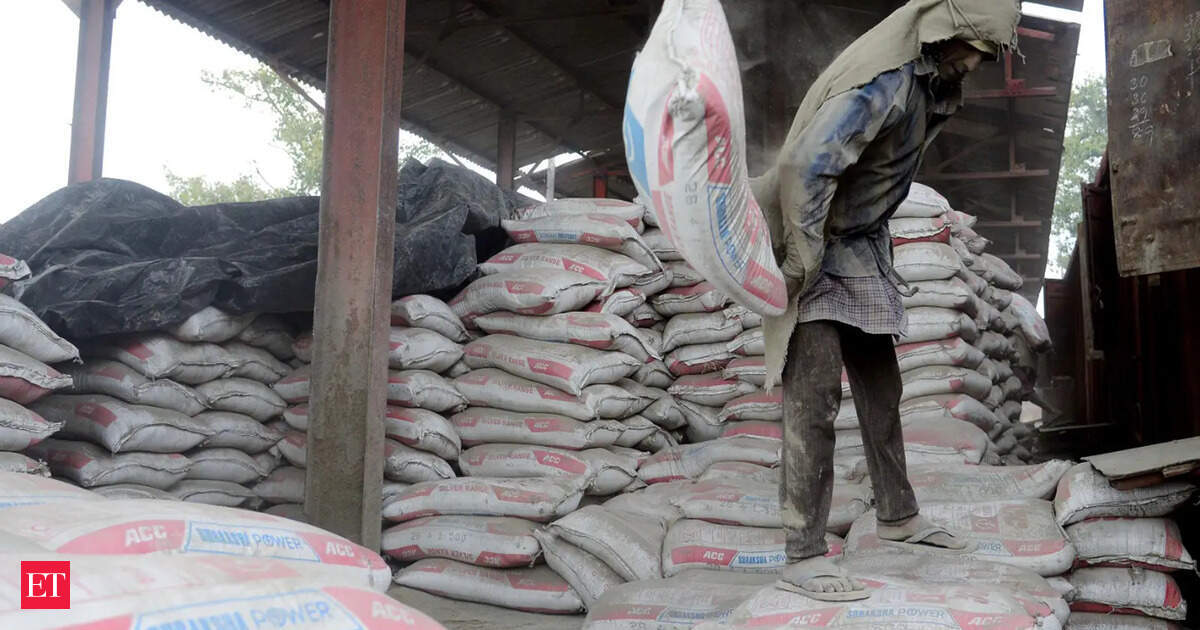
Infrastructure demand remains robust, but profitability hinges on passing higher production costs to consumers. Watch upcoming earnings for margin clarity.
Continue with
The Indian cement sector is bracing for a robust start to the first quarter of fiscal year 2027, driven primarily by sustained government infrastructure spending. While volume growth remains supported by large-scale public projects, the industry is navigating a tightening margin environment. The primary challenge lies in the rising cost of fuel and packaging materials, which are exerting significant upward pressure on production expenses.
Infrastructure Spending as a Demand Anchor
Government-led infrastructure development remains the primary catalyst for cement consumption in India. Large-scale capital expenditure on roads, bridges, and urban development projects provides a reliable baseline for demand that often offsets volatility in the private housing sector. This consistent flow of public funding ensures that cement manufacturers maintain high capacity utilization rates, even as broader economic conditions fluctuate. The sector relies on this steady demand to absorb the impact of periodic price adjustments, as infrastructure projects are generally less sensitive to short-term price volatility than retail construction.
Input Cost Inflation and Pricing Strategy
Profitability in the coming quarter will be dictated by the industry's ability to pass on rising input costs to the end consumer. Cement companies are currently implementing price hikes to mitigate the impact of elevated fuel prices and increased packaging expenses. The effectiveness of these price increases depends on the regional supply-demand balance and the competitive landscape within specific markets. If price hikes fail to keep pace with the escalation in energy and logistics costs, operating margins will likely face downward pressure despite healthy volume growth.