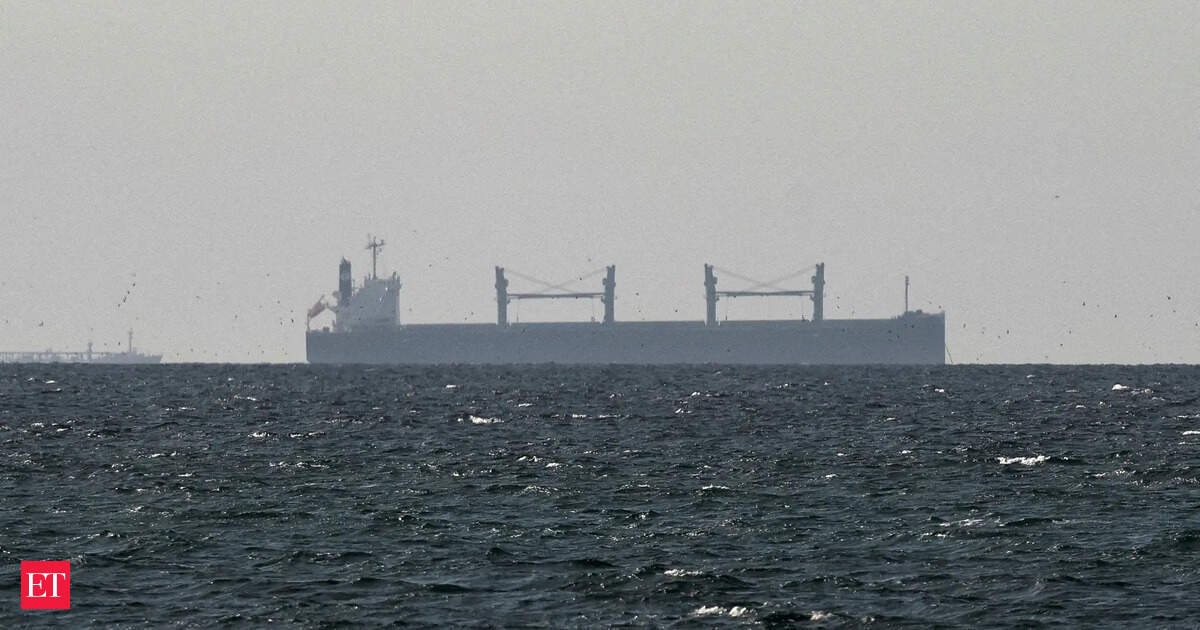
LNG Tanker Traffic Resumes Near Strait of Hormuz Following Reopening Claims

LNG tankers are moving toward the Strait of Hormuz following Iran's declaration that the waterway is open, signaling a potential restart of critical energy flows.
Liquefied natural gas tankers have begun moving toward the Strait of Hormuz after Iranian authorities declared the waterway open for transit. This shift follows a period of effective closure that disrupted global energy logistics and exerted upward pressure on regional fuel pricing. The resumption of movement suggests an attempt to normalize supply chains, though the underlying geopolitical environment remains volatile.
Transit Risks and Insurance Constraints
The return of tanker traffic does not immediately signal a full restoration of pre-disruption conditions. While vessels are approaching the chokepoint, the willingness of operators to complete transit depends heavily on the availability of maritime insurance. Underwriters often adjust premiums based on real-time security assessments, and the persistence of conflicting statements from Iranian and United States officials creates a high-risk environment for shipping firms.
Transit through the Strait of Hormuz is a critical component of global commodities analysis. Even short-term interruptions force operators to weigh the costs of rerouting against the potential for asset seizure or damage. The current movement of LNG carriers indicates that some operators have reached a threshold of risk tolerance, likely driven by the necessity of maintaining supply commitments in key import markets.
Supply Chain Sensitivity to Chokepoint Stability
Global LNG markets remain highly sensitive to any activity near this specific maritime corridor. Because the Strait of Hormuz serves as a primary exit point for significant volumes of natural gas and crude oil, any perceived instability ripples quickly through international energy pricing. The recent pause in transit highlighted the vulnerability of current inventory levels, which rely on consistent throughput to meet seasonal demand requirements.
The following factors currently dictate the pace of normalization for regional energy flows:
- The consistency of transit patterns over the next 48 hours.
- The willingness of maritime insurers to provide coverage for vessels entering the Persian Gulf.
- Official confirmation from international maritime monitoring agencies regarding the safety of the shipping lanes.
As vessels continue to approach the area, the market will look for a sustained period of uninterrupted passage. The situation mirrors broader concerns regarding Persian Gulf Production Constraints Signal Extended Market Tightness. If tanker traffic stalls again, the resulting supply gap will likely force buyers to seek alternative, more expensive sources of energy, further complicating the global supply balance.
AlphaScala data indicates that volatility in energy shipping lanes often leads to a rapid compression of delivery timelines for regional exporters. This compression forces a reallocation of floating storage, which can temporarily mask underlying production deficits until the transit corridor is fully secured.
Market participants are now waiting for the next round of vessel tracking data to confirm if the current movement represents a permanent reopening or a temporary window of transit. The primary marker for stability will be the return of standard insurance premiums for tankers operating in the region. Any deviation from current transit volumes will serve as a leading indicator for further price adjustments in the global LNG market.
AI-drafted from named sources and checked against AlphaScala publishing rules before release. Direct quotes must match source text, low-information tables are removed, and thinner or higher-risk stories can be held for manual review.