US electric-vehicle sales rose to 247,226 units in the second quarter, the first sequential gain since federal tax incentives expired last year, according to Cox Automotive. That was up from roughly 216,000 in the first quarter, a 14% increase.
The $7,500 federal tax credit ended for most models in late 2022, triggering a two-quarter sales decline. Higher gasoline prices this spring reversed that trend. Regular unleaded averaged $5 a gallon in June, up from $3 in January, improving the total cost of ownership for EVs.
The rebound was uneven across automakers. Companies that maintained or expanded their EV lineups saw sales jump. Toyota sold 11,826 EVs in the quarter, up 225% from a year earlier. Subaru more than doubled deliveries to 7,023. Kia rose 46%. Rivian increased sales 7.6%.
Those that pulled back after incentives disappeared suffered. Ford's EV sales fell 41%. Chevrolet dropped 48%. Mercedes declined 59%. Nissan plunged 88%.
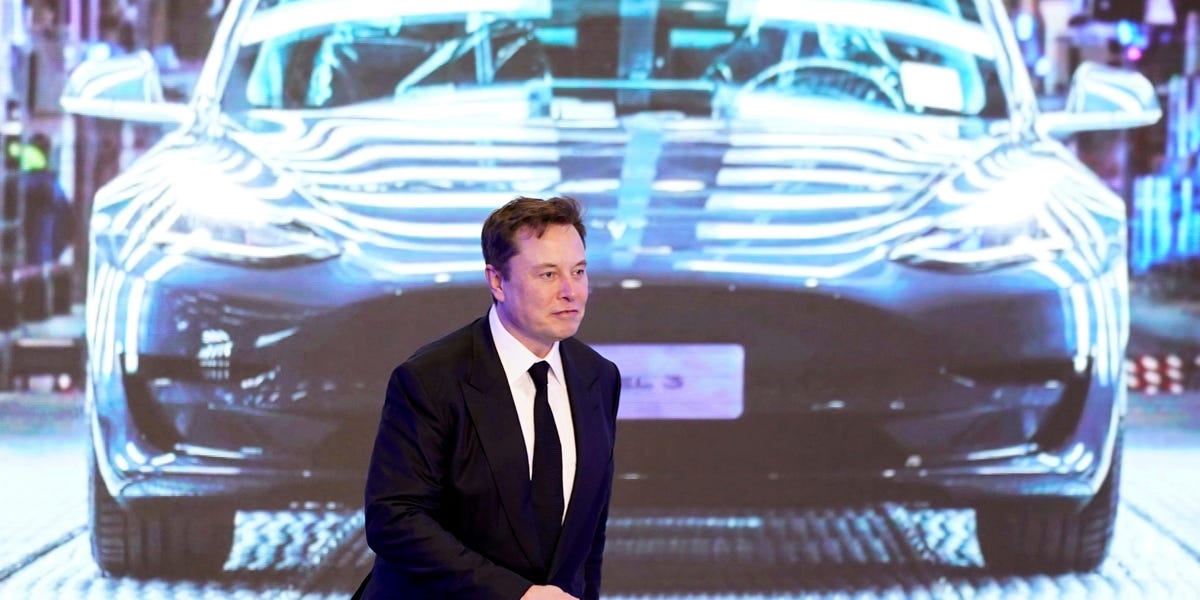
Tesla remained the dominant player, selling 124,800 vehicles in the US for a 50.5% market share. The Model Y, the country's top-selling EV, delivered 84,863 units, down just 1.5% from a year ago. Globally, Tesla delivered 480,126 vehicles in the quarter, up 25% year over year, the company said.