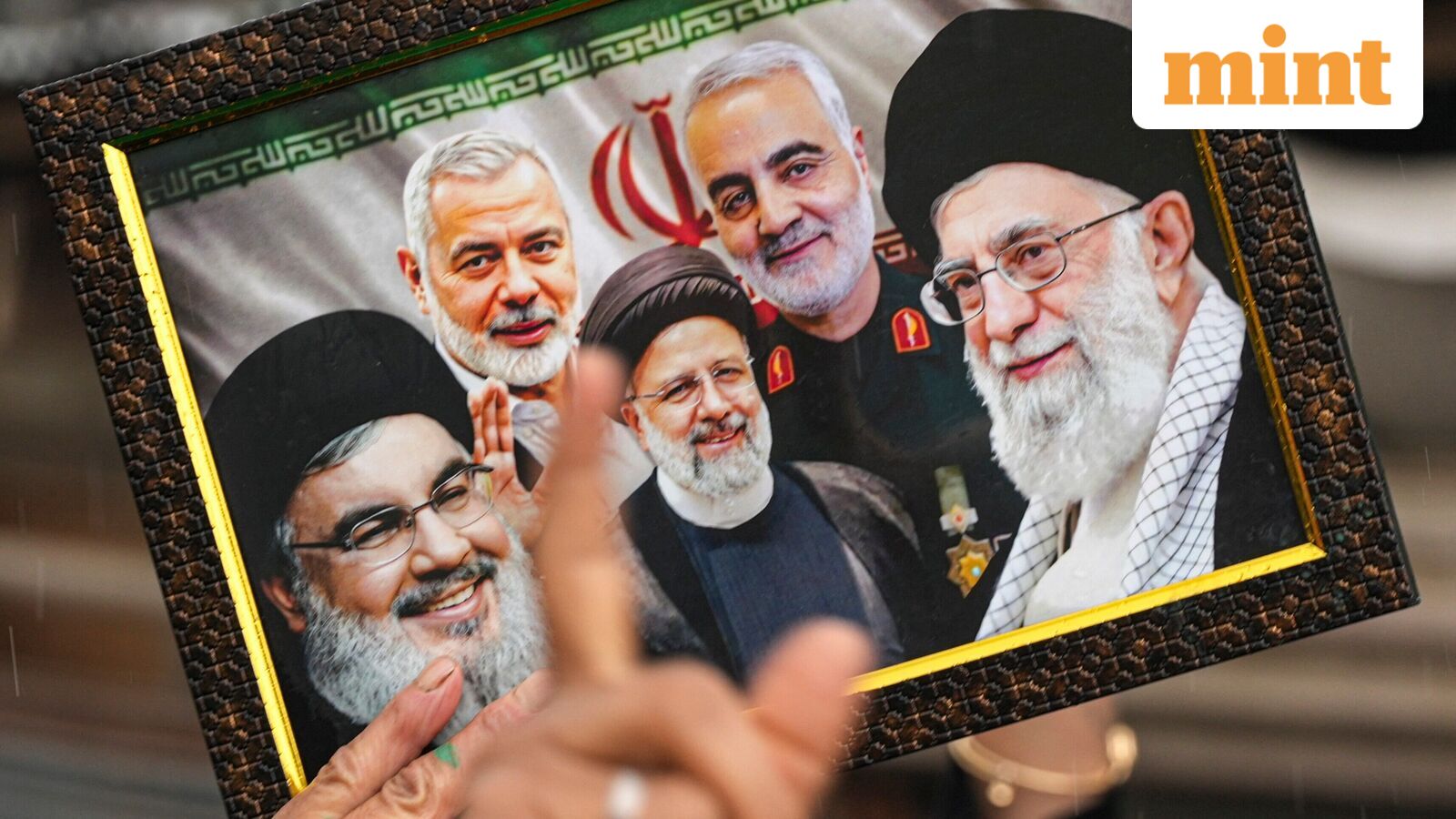
US Central Command Initiates Military Blockade of Iranian Ports Following Diplomatic Stalemate

U.S. Central Command has launched a military blockade of Iranian ports following the collapse of talks in Islamabad. While transit for non-Iranian vessels remains protected, the move signals a major escalation in regional maritime risk.
Escalation in the Persian Gulf: Naval Restrictions Take Effect
The geopolitical landscape in the Middle East shifted dramatically today as U.S. Central Command (CENTCOM) officially commenced a military blockade of Iran’s ports. The move follows the definitive collapse of high-level negotiations in Islamabad, where diplomatic efforts to resolve ongoing regional tensions failed to yield a breakthrough. For global markets, this represents a sudden and significant escalation in maritime risk, particularly regarding the flow of energy and goods through one of the world’s most critical chokepoints.
The Scope of the Blockade
According to official statements from CENTCOM, the military operation is strategically calibrated to exert pressure on the Iranian state while attempting to minimize collateral damage to the broader global supply chain. Critically, U.S. forces have explicitly stated that they will not impede the freedom of navigation for commercial vessels transiting the Strait of Hormuz, provided those vessels are not destined for or departing from Iranian ports.
To manage the transition and mitigate confusion among international shipping operators, CENTCOM has committed to providing formalized updates. Commercial mariners are advised that specific operational notices will be disseminated to ensure safe passage for vessels transiting the region, separating non-Iranian trade traffic from the theater of the blockade.
Market Implications: Volatility and Shipping Premiums
For traders and macro analysts, the implications of a naval blockade in the Persian Gulf are immediate. The Strait of Hormuz serves as the world’s most important oil transit chokepoint, with approximately 20% of the world’s total petroleum liquids consumption passing through its narrow waters.
While the U.S. has signaled an intention to protect non-Iranian traffic, the mere presence of an active military blockade typically triggers a sharp rise in war risk premiums for insurance and shipping freight rates. Investors should anticipate increased volatility in energy markets as the risk of accidental escalation or retaliatory measures remains elevated. Furthermore, the disruption of Iranian exports—which, despite sanctions, continue to reach select global markets—will force a recalibration of global supply-demand balances.
Historical Context and Geopolitical Precedent
This development marks a departure from standard diplomatic "gray zone" operations, moving into a kinetic phase of economic warfare. The failure of the Islamabad talks suggests that the window for a negotiated settlement has closed for the immediate future. Historically, similar naval posturing in the region has led to rapid spikes in crude oil (CL) futures and safe-haven demand for gold ([XAU/USD](/markets/geopolitical-risk-spikes-oil-surges-toward-130-as-muscat-ceasefire-talks-collaps)).
What to Watch Next
Market participants should monitor the following indicators in the coming 48 to 72 hours:
- Energy Price Spikes: Watch for immediate volatility in Brent and WTI crude contracts as traders price in the potential for tightened supply.
- Shipping Notices: CENTCOM’s formal notices to mariners will be the primary source of truth for the shipping industry. Any deviation from the promised "freedom of navigation" for non-Iranian vessels would be a significant bearish signal for global trade.
- Diplomatic Backchannels: While the Islamabad talks have failed, the market will be looking for any signs of third-party mediation or de-escalation rhetoric from regional powers.
As the situation develops, the primary concern for institutional investors will be the duration of the blockade and whether it remains confined to Iranian ports or risks expanding into the broader maritime corridors of the Persian Gulf.