Commodities● Neutral
Oil Surges Toward $130 as Muscat Ceasefire Talks Collapse
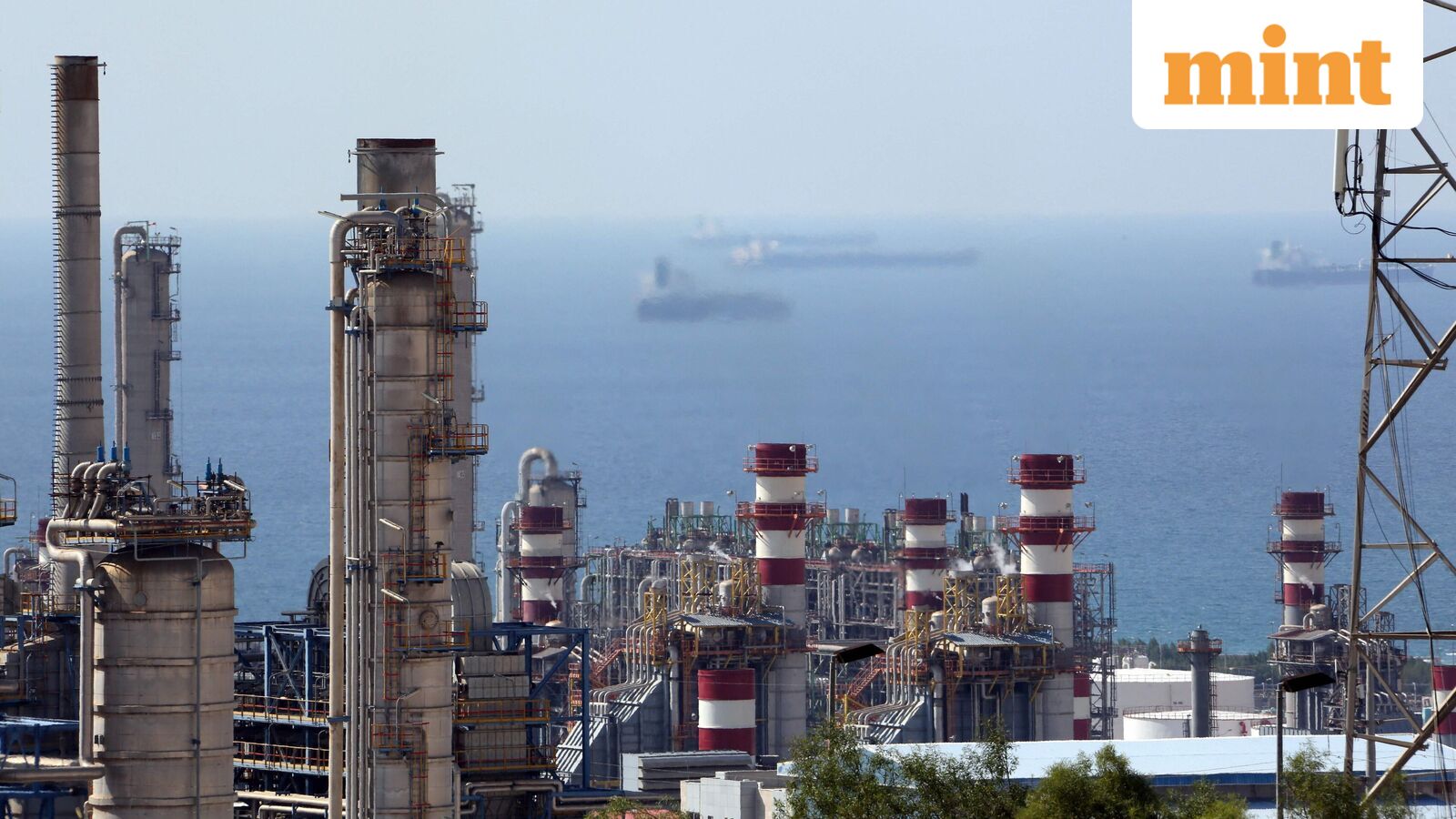
Brent crude rallies as the breakdown of Muscat talks triggers a potential Strait of Hormuz blockade. Watch for further Pentagon moves and regional escalation.
Continue with
Diplomatic Deadlock Triggers Market Volatility
The fragile hope for a de-escalation in the Middle East evaporated this morning as diplomatic efforts to broker a ceasefire between the United States and Iran officially collapsed in Muscat, Oman. The breakdown in negotiations has sent shockwaves through global energy markets, with Brent crude oil futures rapidly advancing toward the $130 per barrel threshold as traders scramble to price in the prospect of a prolonged and widening conflict.
The failure of the Muscat summit marks a definitive pivot in the hostilities. Following the breakdown, the Pentagon issued a stark advisory, signaling the commencement of “Phase 2” operations. In a move that significantly escalates the direct confrontation, U.S. officials announced intentions to implement a blockade of Iranian ports—a strategic maneuver designed to choke off the nation’s primary export channels.
Tehran Responds: 'If You Fight, We Will Fight'
Tehran’s response to the looming blockade was immediate and defiant. In a statement that has rattled regional security analysts, Iranian officials declared, “If you fight, we will fight,” signaling a readiness to abandon diplomatic channels entirely in favor of kinetic engagement. Both nations have recalled their respective envoys from Muscat, effectively closing the door on near-term mediation and increasing the probability of a direct naval confrontation in the Strait of Hormuz.
For energy markets, the implications are profound. The Strait of Hormuz is a critical chokepoint through which approximately 20% of the world’s total petroleum consumption passes daily. Any disruption to this transit corridor, whether through a blockade or retaliatory strikes, carries the potential to fundamentally shift the global supply-demand equilibrium, leading to the rapid price appreciation observed in today’s session.