Back to Markets
Macro● Neutral

Foreign Capital Flight: India’s Equity Markets Face Record Outflows Amid Geopolitical Volatility

April 12, 2026 at 09:38 AMBy AlphaScalaSource: rediff.com
Foreign Capital Flight: India’s Equity Markets Face Record Outflows Amid Geopolitical Volatility
CLUSD

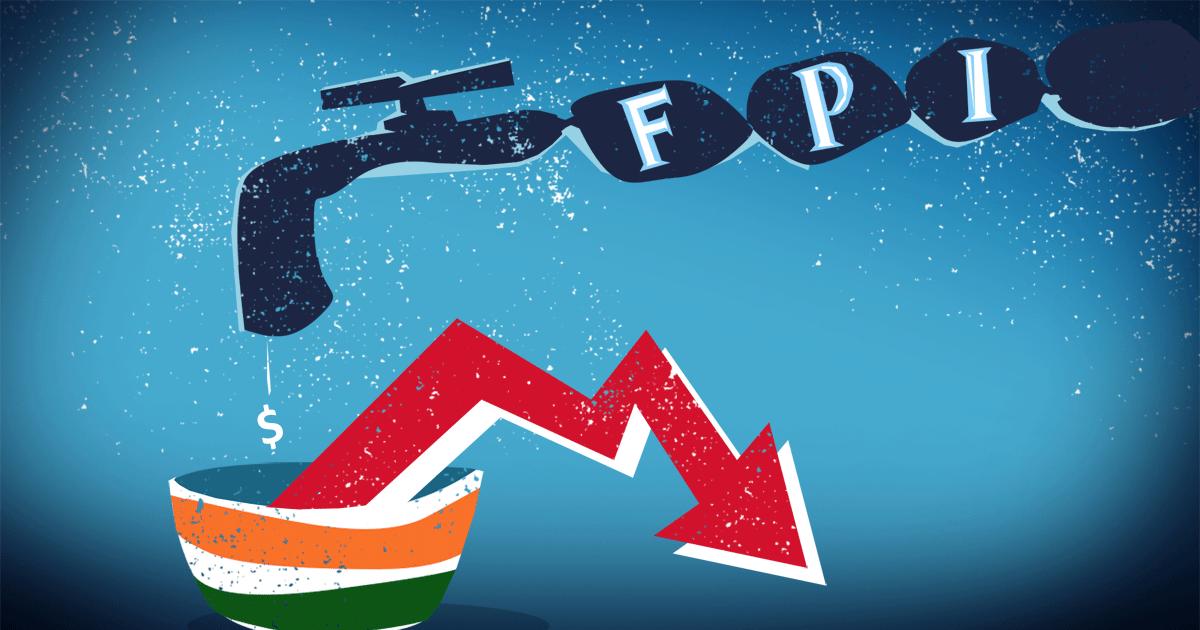
Foreign institutional investors have pulled over ₹1.65 lakh crore from Indian equities since March, driven by rising crude oil prices and global geopolitical instability.

A Sudden Shift in Sentiment

India’s equity markets, once viewed as a resilient bastion for emerging market capital, are currently navigating a period of intense selling pressure. Foreign Institutional Investors (FIIs) have accelerated their exit from the subcontinent, pulling a staggering ₹48,213 crore out of Indian stocks in just the first ten days of April. This exodus follows a historic sell-off in March, which saw foreign investors offload a record ₹1.17 lakh crore, marking a significant reversal of the bullish sentiment that characterized much of the previous fiscal year.

The Catalysts: Geopolitics and Commodity Pressures

The driving forces behind this capital flight are rooted in a confluence of macroeconomic and geopolitical headwinds. Central to the investor anxiety is the escalating tension in West Asia. As one of the world's most critical energy-producing regions, conflict in the Middle East has sent shockwaves through the global commodity markets, specifically triggering a sharp rise in crude oil prices.

For India, a country that imports over 80% of its crude oil requirements, rising energy prices act as a double-edged sword. Higher oil costs exert immediate pressure on the nation’s current account deficit and threaten to reignite domestic inflation. Investors are acutely aware that persistent inflation forces the Reserve Bank of India (RBI) to maintain a tighter monetary policy stance, which ultimately dampens corporate earnings growth and compresses valuation multiples.

Global Inflation and the 'Risk-Off' Environment

Beyond the regional geopolitical theater, the broader global inflation narrative continues to weigh heavily on investor psychology. With major central banks—most notably the U.S. Federal Reserve—signaling a 'higher-for-longer' interest rate environment, the opportunity cost of holding riskier emerging market assets has risen.

When global inflation remains sticky, the U.S. dollar typically strengthens, leading to capital repatriation toward U.S. Treasuries and away from developing markets like India. The current sell-off reflects a global 'risk-off' sentiment, where portfolio managers are prioritizing capital preservation over growth exposure in volatile jurisdictions.

Implications for Traders and Market Liquidity

For market participants, the implications of this sustained outflow are significant. The sheer volume of the March and April sell-offs suggests that this is not merely tactical profit-taking, but a strategic reallocation of assets.

  1. Liquidity Constraints: A massive withdrawal of ₹1.65 lakh crore (combined March and early April) naturally thins liquidity in the large-cap space, potentially leading to increased intraday volatility.
  2. Currency Pressure: The consistent selling puts downward pressure on the Indian Rupee. Traders monitoring the [USD/INR](/markets/indian-equities-face-historic-foreign-outflow-amid-geopolitical-volatility) pair should anticipate continued volatility as the RBI balances currency intervention against the need to preserve foreign exchange reserves.
  3. Sectoral Rotation: As foreign capital retreats, domestic institutional investors (DIIs) and retail participants are left to absorb the supply. This often leads to a shift in market leadership, with defensive sectors potentially outperforming cyclical ones in the near term.

Looking Ahead: What to Watch

The coming weeks will be critical in determining whether this sell-off represents a structural shift or a temporary correction. Market participants should monitor two primary indicators: the trajectory of Brent crude oil and any cooling in U.S. inflation data. If geopolitical tensions in West Asia continue to escalate, the risk premium on emerging market equities will likely remain elevated, keeping the pressure on FII flows. Conversely, any signs of stabilization in oil prices or a dovish pivot in global central bank rhetoric could provide the necessary catalyst for foreign investors to return to the Indian market.

As the earnings season approaches, the focus will shift from macro-narratives to balance sheet strength. Investors will be scrutinizing corporate guidance to see how domestic firms are managing input cost pressures and whether they can maintain margins in an environment of cooling domestic demand.