Commodities● Neutral
Oil Hits $100 as U.S.-Iran Tensions Trigger Supply Shock
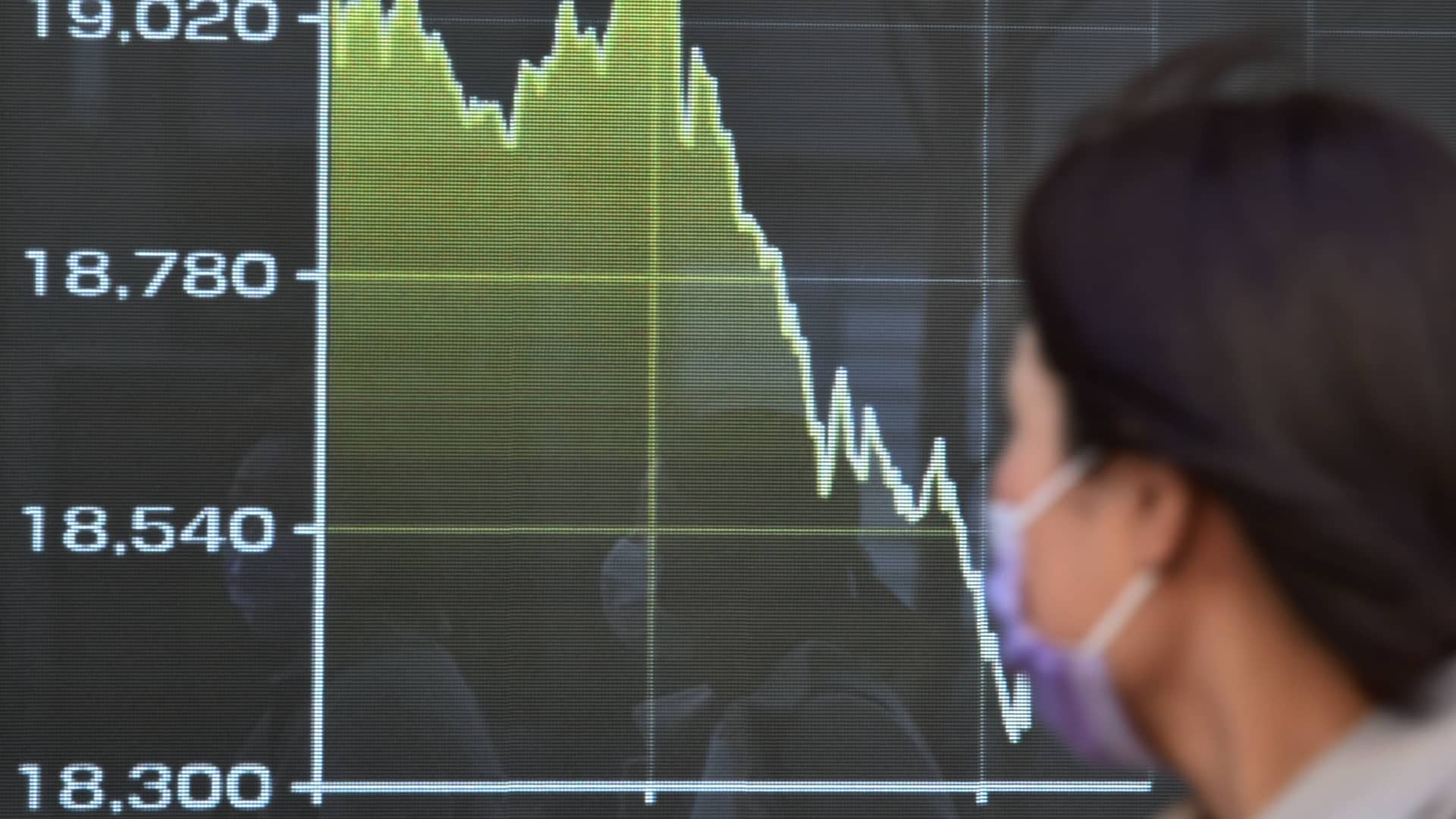
Crude prices breach the $100 threshold following a potential naval blockade. Expect equity volatility as markets price in a sustained energy risk premium.
Continue with
A Geopolitical Turning Point for Energy Markets
Global energy markets entered a period of heightened volatility overnight as crude oil prices decisively reclaimed the psychologically significant $100 per barrel threshold. The surge follows the definitive collapse of diplomatic negotiations between Washington and Tehran, compounded by reports that the United States is moving toward a naval blockade of Iranian ports. This escalation has sent shockwaves through global commodities desks, as traders weigh the risks of a major supply disruption in one of the world’s most critical energy corridors.
The immediate reaction in the oil markets has been swift, with futures contracts rallying sharply as the reality of a potential supply-side shock settles in. For investors, the breach of the $100 mark serves as a stark reminder of the fragile nature of energy security in an increasingly fragmented geopolitical landscape. While the market has successfully navigated various supply chain bottlenecks over the past year, a direct naval blockade represents a systemic risk that could fundamentally alter the global energy price floor.
Market Sentiment and Asian Open
As the trading week begins, the news has cast a long shadow over Asian markets, which are bracing for a mixed opening. Equity indices across the region are expected to trade with a defensive bias as institutional investors reassess the inflationary implications of a sustained rally in crude oil. Historically, prolonged periods of triple-digit oil prices act as a tax on global economic growth, squeezing corporate margins and forcing central banks to rethink their interest rate trajectories in the face of rising energy-driven inflation.
"The collapse of talks is one thing, but the shift toward kinetic measures like a naval blockade puts the market into a completely different risk bracket," noted one market analyst. "Traders are now pricing in a significant risk premium that reflects the potential for prolonged disruption in the Strait of Hormuz, a choke point that remains essential for global oil transit."