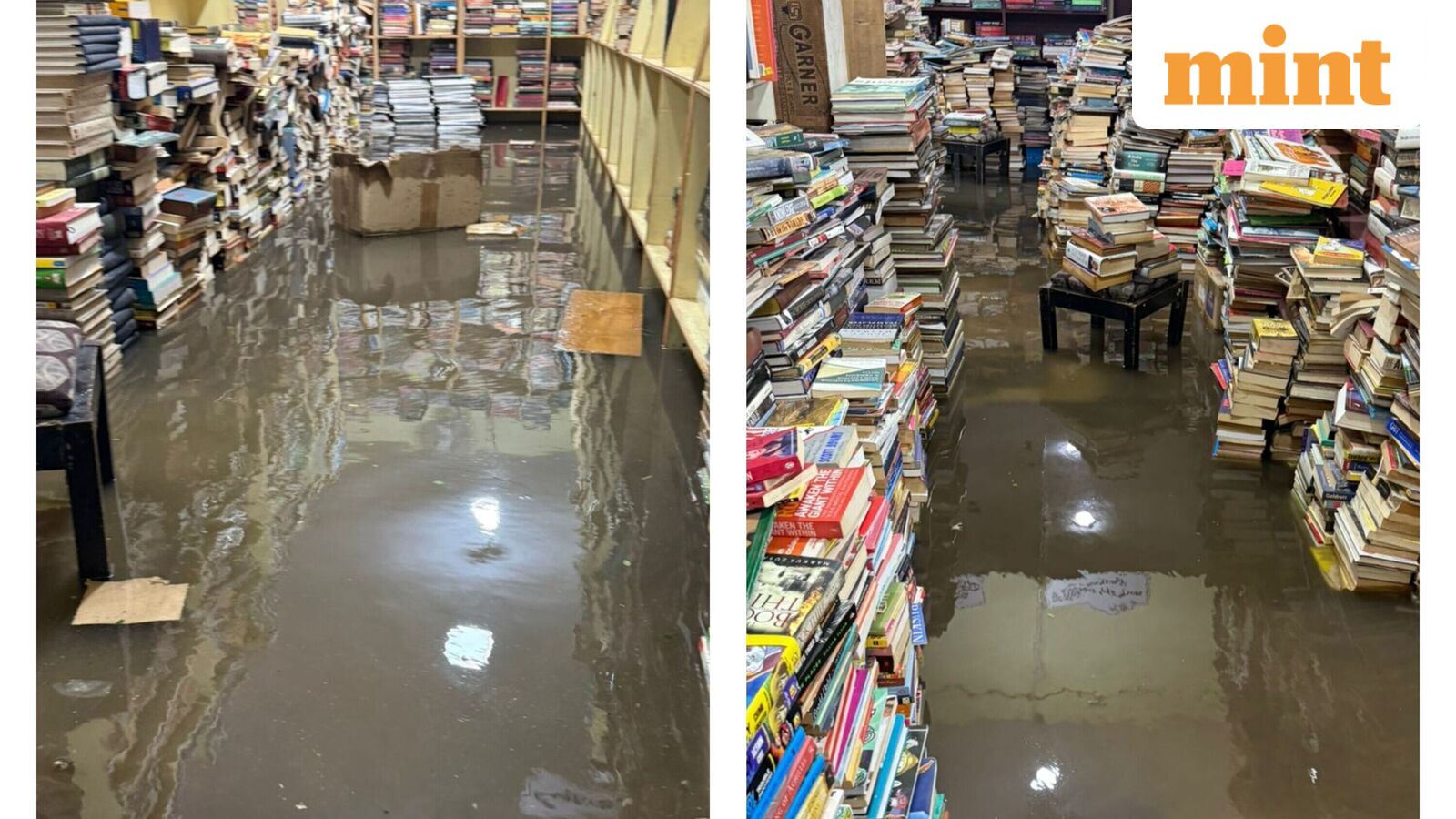
The recent flooding of The Bookworm, a prominent independent bookstore on Bengaluru’s Church Street, serves as a localized but significant case study on the intersection of urban infrastructure failure and small-business operational continuity. While the destruction of thousands of books represents a direct inventory loss, the event highlights the broader risk profile for brick-and-mortar retail entities operating in high-density urban corridors prone to extreme weather events. The immediate community response, characterized by a rapid mobilization of support, underscores the intangible value of brand loyalty for niche retailers, yet it also exposes the fragility of physical assets when municipal drainage systems fail to keep pace with seasonal precipitation.
Operational Continuity and Asset Exposure
For independent retailers, the loss of physical inventory is often a binary event that threatens long-term solvency. Unlike larger chains that utilize distributed logistics and diversified warehousing, boutique retailers like The Bookworm rely on centralized, street-level storefronts that are highly susceptible to environmental hazards. The destruction of inventory in this instance is not merely a supply chain disruption but a total loss of the primary revenue-generating asset. This incident forces a re-evaluation of how small-scale retail operations account for climate-related risk in their insurance and contingency planning. When physical storefronts become points of failure due to external environmental factors, the cost of business interruption extends far beyond the replacement value of the goods themselves.
Sector Read-Through for Urban Retail
This event provides a sobering look at the vulnerability of retail real estate in rapidly developing urban centers. Investors in commercial real estate often focus on occupancy rates and lease terms, but the physical resilience of the underlying property is becoming a critical variable in asset valuation. As urban centers face more frequent and intense weather events, the cost of maintaining, insuring, and retrofitting ground-floor retail spaces is likely to rise. This shift in operating expenses could compress margins for tenants and force landlords to invest in more robust flood mitigation infrastructure. The incident serves as a reminder that the viability of a retail location is increasingly tied to the efficacy of the surrounding municipal infrastructure.
AlphaScala Data and Market Context
While the retail sector remains diverse, companies with significant physical footprints must increasingly account for localized environmental risks. For instance, firms like WELL stock page and other real estate entities are constantly balancing asset quality against regional climate exposure. Current AlphaScala data reflects a mixed outlook for various sectors, including technology and consumer cyclicals, where operational stability is paramount. For example, ON stock page currently holds an Alpha Score of 46/100, reflecting the complex environment in which modern firms must navigate both market and operational headwinds. Similarly, HAS stock page remains an unscored entity in our current dataset, illustrating the varied landscape of stock market analysis as firms adapt to shifting operational realities.
The next concrete marker for this situation will be the assessment of the bookstore's recovery timeline and the potential for municipal policy changes regarding Church Street's drainage infrastructure. Future retail leases in the area may see the introduction of more stringent force majeure clauses or requirements for specialized flood insurance, signaling a permanent shift in the risk-reward calculus for urban storefronts.