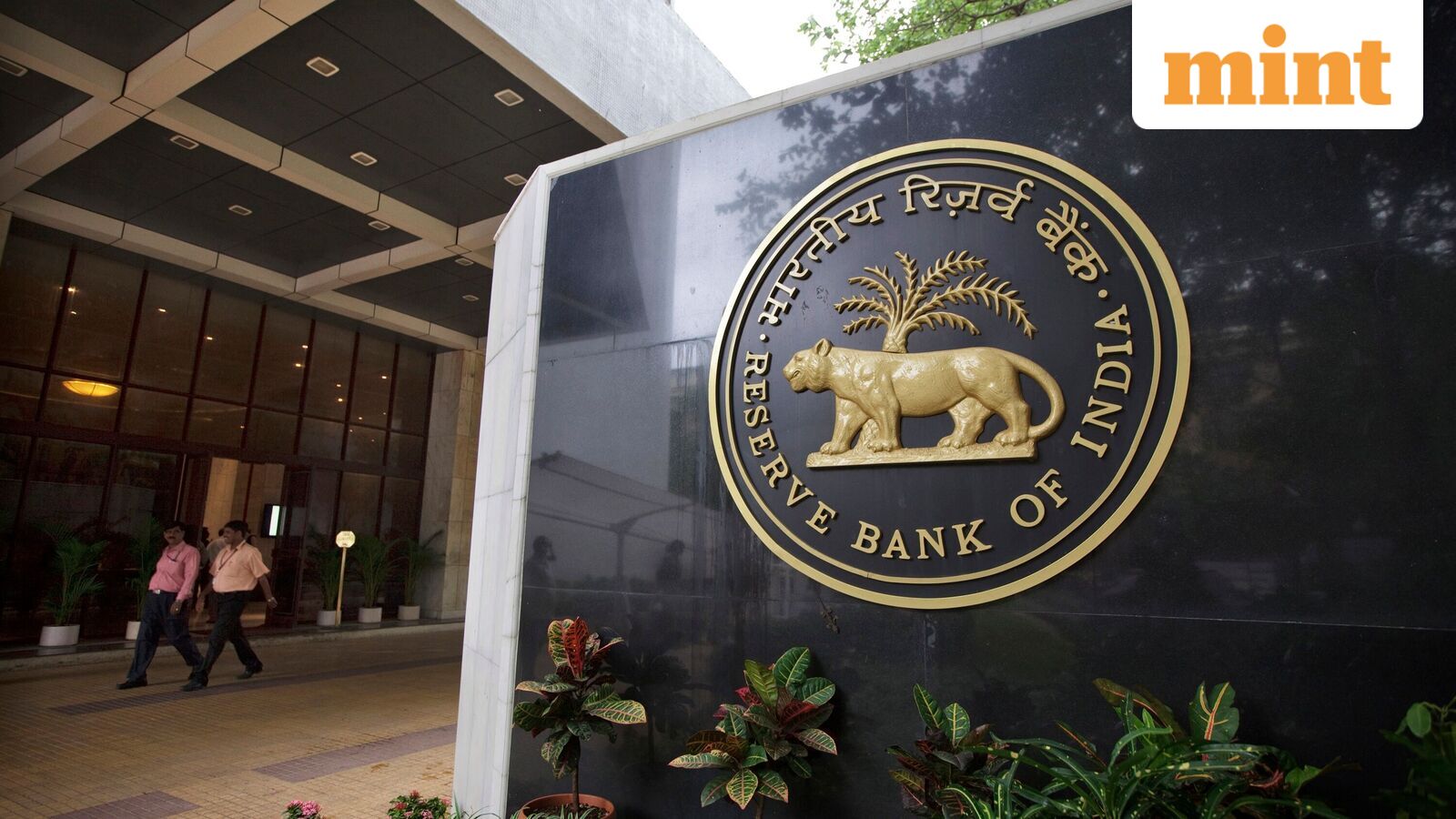
The Reserve Bank of India has introduced a revised framework for the restructuring of loans impacted by natural calamities, shifting the regulatory burden toward higher capital buffers. Effective July 1, 2026, banks and non-banking financial companies must maintain a 5% provisioning requirement on all restructured disaster-related accounts. This policy change applies prospectively, ensuring that existing loan restructurings remain governed by current guidelines unless a new repayment plan is initiated.
Impact on Bank Capitalization and Credit Risk
The mandate for a 5% provision acts as a direct constraint on the balance sheets of lenders operating in regions prone to environmental volatility. By requiring this capital set-aside, the central bank is effectively pricing the latent credit risk associated with climate-linked defaults into the cost of lending. This move forces financial institutions to internalize the costs of disaster-related debt relief rather than relying on regulatory forbearance to mask asset quality deterioration.
For lenders, the transition period provides a window to adjust underwriting standards and liquidity management strategies before the 2026 implementation. The shift moves away from the previous reliance on government-declared disaster notifications, granting lenders more autonomy to identify distressed borrowers while simultaneously increasing the cost of such interventions. This mechanism aligns with broader efforts to ensure that FOMC Policy Transition and the Terminal Rate Horizon and domestic monetary policy remain insulated from localized credit shocks that could otherwise ripple through the broader financial system.
Transmission to Consumer and Corporate Lending
The requirement for higher provisioning is expected to influence the pricing of credit in sectors with high exposure to natural disasters, particularly agriculture and small-scale manufacturing. As lenders face higher capital costs for restructuring, they may tighten credit availability or increase interest rate premiums to compensate for the mandatory 5% buffer. This creates a trade-off between supporting distressed borrowers and maintaining the integrity of the loan book.
AlphaScala data indicates that companies within the consumer discretionary space, such as HAS stock page, remain sensitive to shifts in credit availability and consumer spending power. HAS is currently labeled Unscored within the consumer cyclical sector. The broader implications of this policy will likely be felt in the market analysis of regional credit growth, as lenders recalibrate their risk appetite in response to the new provisioning floor.
Future Regulatory Markers
The July 2026 deadline serves as the primary anchor for institutional compliance. Between now and the effective date, lenders will need to audit their current exposure to disaster-prone regions and assess the impact of the 5% provision on their capital adequacy ratios. The central bank will likely monitor the transition through periodic reporting requirements, ensuring that the shift does not lead to a sudden contraction in credit flow to vulnerable sectors. Future updates to the Tariff Refund Portal Activation Signals Shift in Trade Cost Recovery may also provide insight into how broader trade and fiscal policies interact with these localized credit risks.