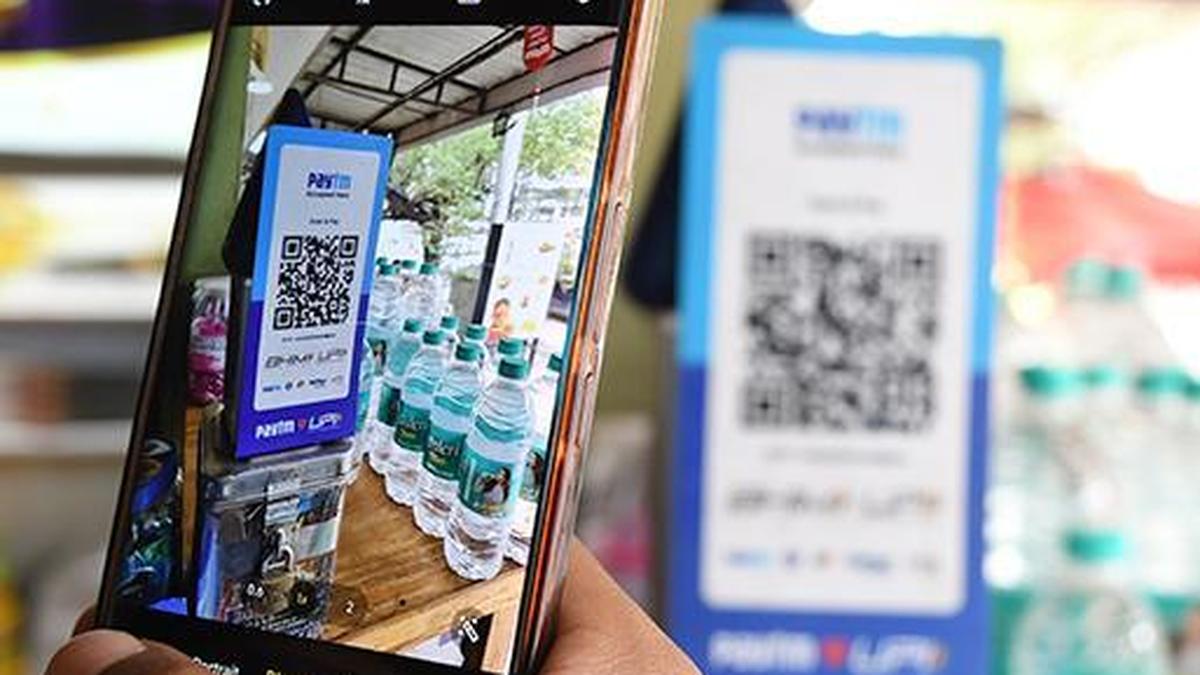
The Reserve Bank of India (RBI) has clarified that Unified Payments Interface (UPI) transactions will remain free for consumers. In a recent statement, the central bank dismissed speculation about introducing a merchant discount rate (MDR) on UPI payments, a move that would have passed costs to users.
RBI Governor Shaktikanta Das emphasized that the current zero-MDR framework for UPI is here to stay, ensuring the popular payment system continues to drive digital adoption. The clarification came after media reports suggested the regulator was considering a fee structure to compensate banks and payment firms for infrastructure costs.
Industry experts had warned that any MDR levy could slow UPI's growth, which now processes over 10 billion transactions monthly. Fintech companies like PhonePe and Google Pay, which dominate the UPI market, welcomed the decision.
The RBI's stance supports the government's push for a less-cash economy. However, banks and payment processors have long argued that the free model strains their margins, especially with rising transaction volumes. The central bank offered no immediate solution to this revenue gap, leaving the sector to await further policy moves.
For investors, the news removes near-term regulatory risk for fintech stocks. The broader payment ecosystem remains stable, though profitability challenges persist for intermediaries. Keep an eye on any RBI updates regarding sustainable monetization of UPI infrastructure.