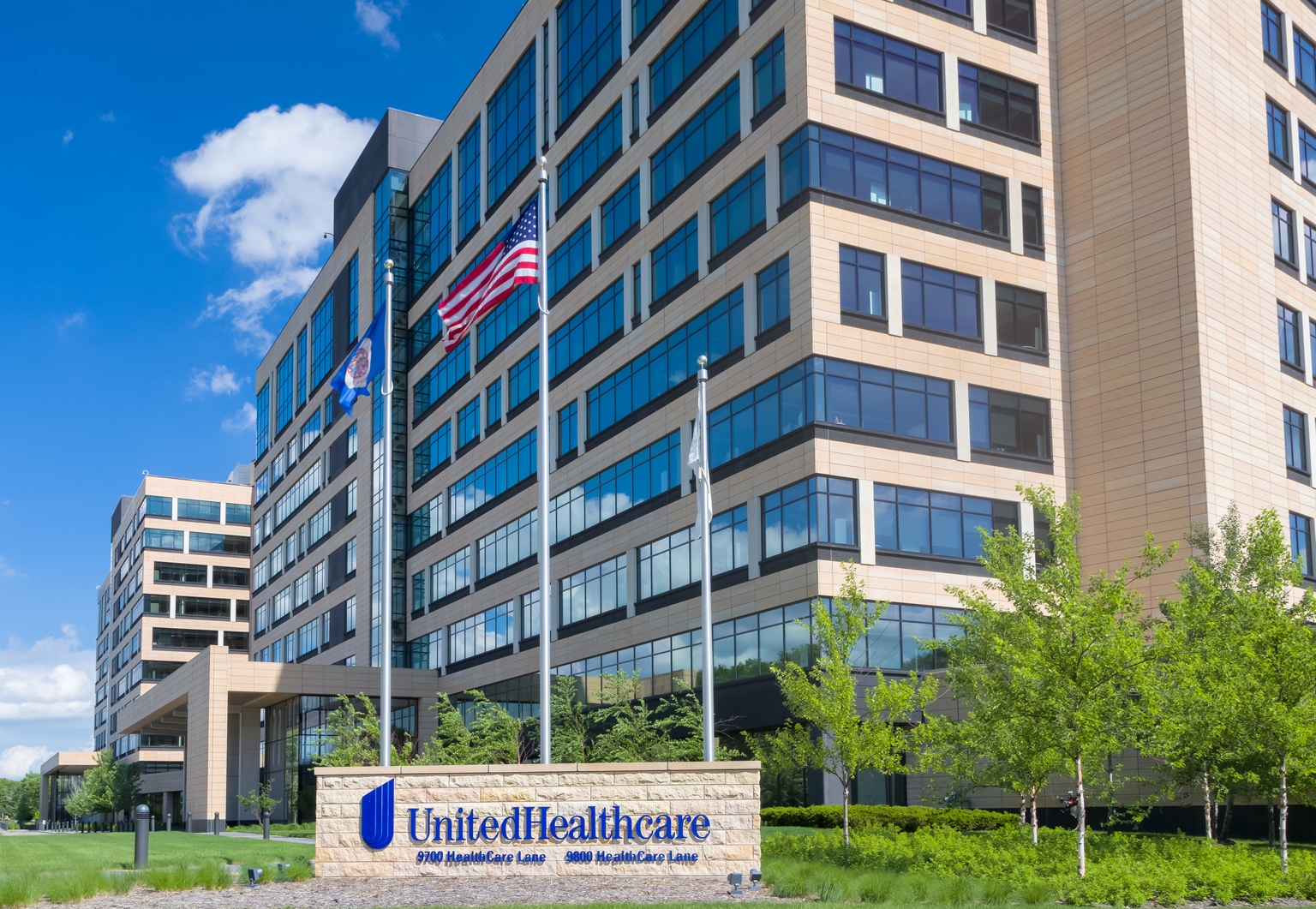
UnitedHealth Group's first-quarter 2026 results confirm a return to its historical pattern of earnings beats, yet the underlying narrative remains constrained by persistent margin pressures. The company is currently navigating a complex recovery phase that centers on stabilizing its Medical Care Ratio and addressing the performance of its Optum Health division. While the results suggest that the worst of the recent volatility may be behind the firm, the path to margin expansion is complicated by structural shifts in healthcare utilization and cost management.
Operational Stabilization and Margin Constraints
The primary focus for investors remains the Medical Care Ratio, a critical metric that dictates the profitability of the company's insurance operations. Recent performance indicates that while the company is successfully managing its claims environment, the margin recovery is not yet accelerating at a pace that suggests a return to historical peaks. The Optum Health division continues to be a focal point for internal restructuring, as the firm attempts to balance growth with the need to improve operational efficiency across its clinical assets.
These challenges are not unique to the firm but reflect broader trends in the healthcare sector where rising service costs and shifting patient demographics continue to test the profitability of managed care providers. The company's ability to maintain its earnings trajectory depends heavily on its capacity to pass through cost increases while maintaining member retention. Investors tracking these developments can find further detail on the UNH stock page.
Sector Read-Through and Valuation Dynamics
UnitedHealth serves as a bellwether for the broader healthcare industry, and its current performance provides a clear look at the tension between volume growth and margin compression. The sector is currently grappling with the dual pressure of high utilization rates and the ongoing integration of complex care delivery models. For companies like UnitedHealth, the valuation is increasingly tied to the predictability of its long-term margin targets rather than short-term earnings surprises.
AlphaScala data currently assigns UnitedHealth Group Incorporated an Alpha Score of 44/100, reflecting a mixed outlook as the market weighs the company's recovery against these persistent sector-wide headwinds. This score highlights the caution currently embedded in the stock price as the company works to prove that its current margin levels are sustainable.
- Medical Care Ratio stabilization remains the primary driver of near-term sentiment.
- Optum Health efficiency gains are necessary to offset rising service costs.
- Earnings beats are currently being discounted by concerns over long-term margin durability.
Looking ahead, the next concrete marker for the company will be its mid-year guidance update. This will provide the first real indication of whether the current recovery trend is robust enough to support upward revisions to full-year targets. Market participants will be looking for evidence that the company can maintain its current trajectory without further reliance on one-time adjustments or aggressive cost-cutting measures. The upcoming regulatory environment and any changes to government reimbursement rates will also serve as critical inputs for the next phase of the company's valuation cycle.