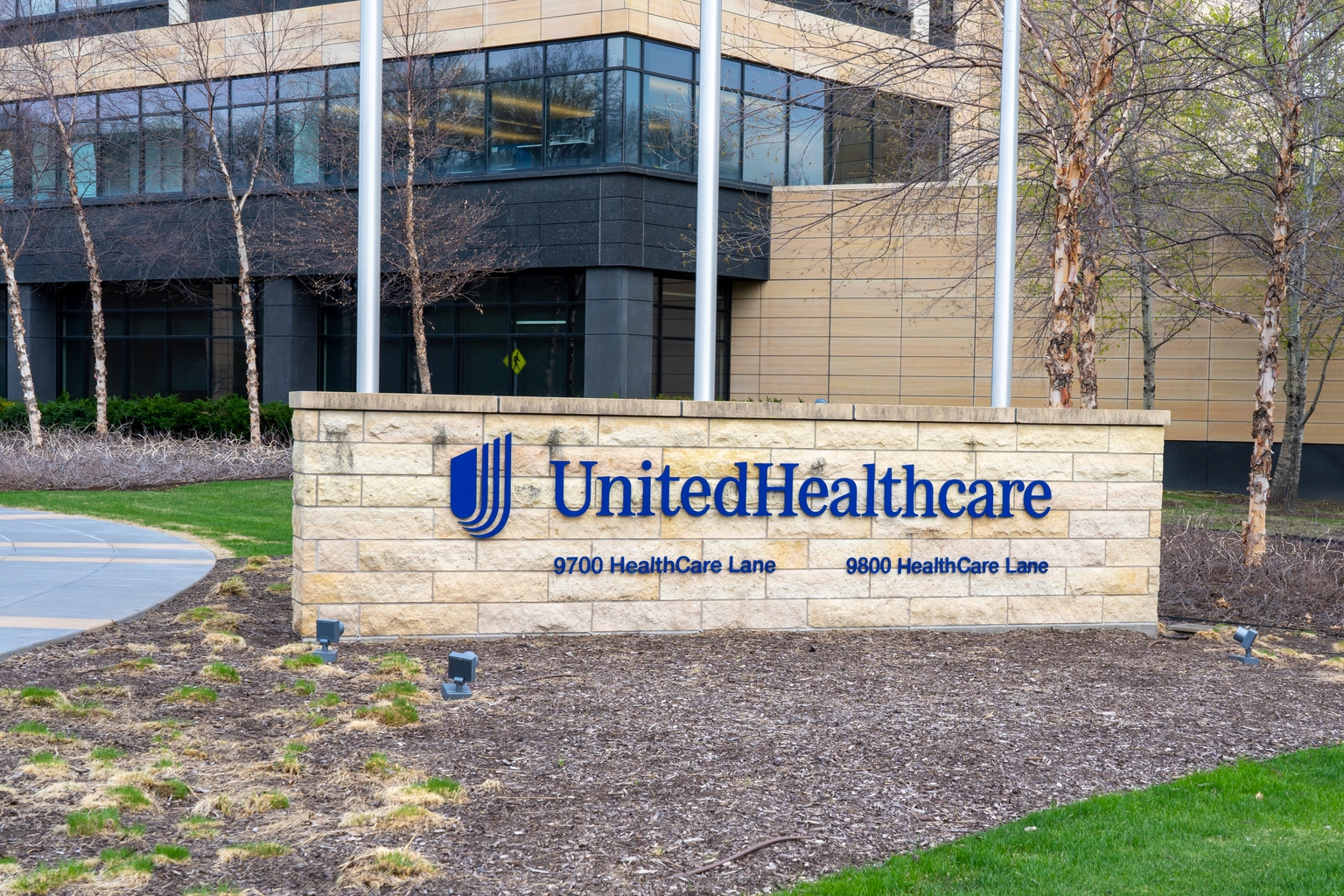
The latest swing in UnitedHealth Group (NYSE: UNH) shares traces to a revived policy debate labeled TrumpRx – a catch-all for healthcare proposals tied to the former president’s agenda. The market has treated these headlines as a direct threat to managed-care earnings. The better read is that the actual legislative path makes the risk a nothingburger for UnitedHealth.
TrumpRx Policy Overhang and the 60-Vote Hurdle
TrumpRx encompasses a loose set of ideas: drug-pricing executive orders, changes to Medicare Advantage reimbursement, and potential rollbacks of Affordable Care Act provisions. None of these are new. The fear cycle resets every time a campaign speech or a congressional hearing puts them back in the news. UnitedHealth shares have swung on those headlines, creating the roller-coaster the stock has ridden since the October buy rating.
The simple take is that any reform that squeezes insurer margins hurts UNH. The more precise take is that UnitedHealth is not a pure-play insurance underwriter. The Optum segment – pharmacy benefit management, health services, and data analytics – now drives a material share of operating profit. That business benefits from complexity, not from a static fee-for-service model. Even if drug-pricing rules tighten, OptumRx negotiates on volume and can adapt faster than smaller competitors. The political reality reinforces the nothingburger thesis: major healthcare legislation requires 60 Senate votes, and the current Congress has shown no capacity to deliver that on a partisan basis.
UnitedHealth’s Optum Engine vs. Medicare Advantage Rate Noise
Since the October buy rating, UNH has absorbed multiple policy-driven selloffs only to recover when the legislative threat fizzled. The pattern matches the stock’s Alpha Score of 63 – a moderate reading that captures both the headline risk and the underlying earnings resilience. The score reflects a balance: the company’s scale and diversification offset the periodic Washington noise.
Revenue concentration tells the same story. UnitedHealth serves over 50 million people across commercial, Medicare, and Medicaid lines. The growth engine, however, is OptumHealth and OptumInsight. Those units are tied to care delivery and technology contracts, not to the political cycle. A 2% change in Medicare Advantage rates matters. It does not reset the investment case when the services backlog is still expanding, driven by multi-year care delivery contracts and technology implementations that are not tied to annual rate adjustments.
Checkpoints That Would Confirm the Nothingburger
Three checkpoints matter:
- CMS advance notice: any rate proposal that stays within historical ranges keeps the overhang contained.
- House Ways and Means Committee markup: if drug-pricing bills stall at the subcommittee level, the legislative risk window closes.
- UnitedHealth guidance update: a maintained outlook during the next earnings call would signal that management sees no material impact.
What would make the risk real: a surprise bipartisan deal that links drug-pricing reform to a must-pass budget bill, or an executive order that immediately alters Medicare Part D rebate rules without a legislative grace period. Neither scenario has a high probability given the current congressional math. The market would reprice UNH quickly if either gained traction.
Next Catalyst: CMS Rate Notice and Committee Calendar
The immediate catalyst is the next policy milestone – likely a draft rate notice or a committee hearing schedule. Until then, the nothingburger thesis rests on a simple mechanism: political noise fades, and UnitedHealth’s earnings power reasserts itself. The stock’s recent swings have been about positioning, not about a structural change in the business. For a deeper look at how healthcare innovators are reframing sector value, see our DXCM analysis. Track UNH directly on the UnitedHealth stock page and monitor broader stock market analysis for shifts in sector flows.