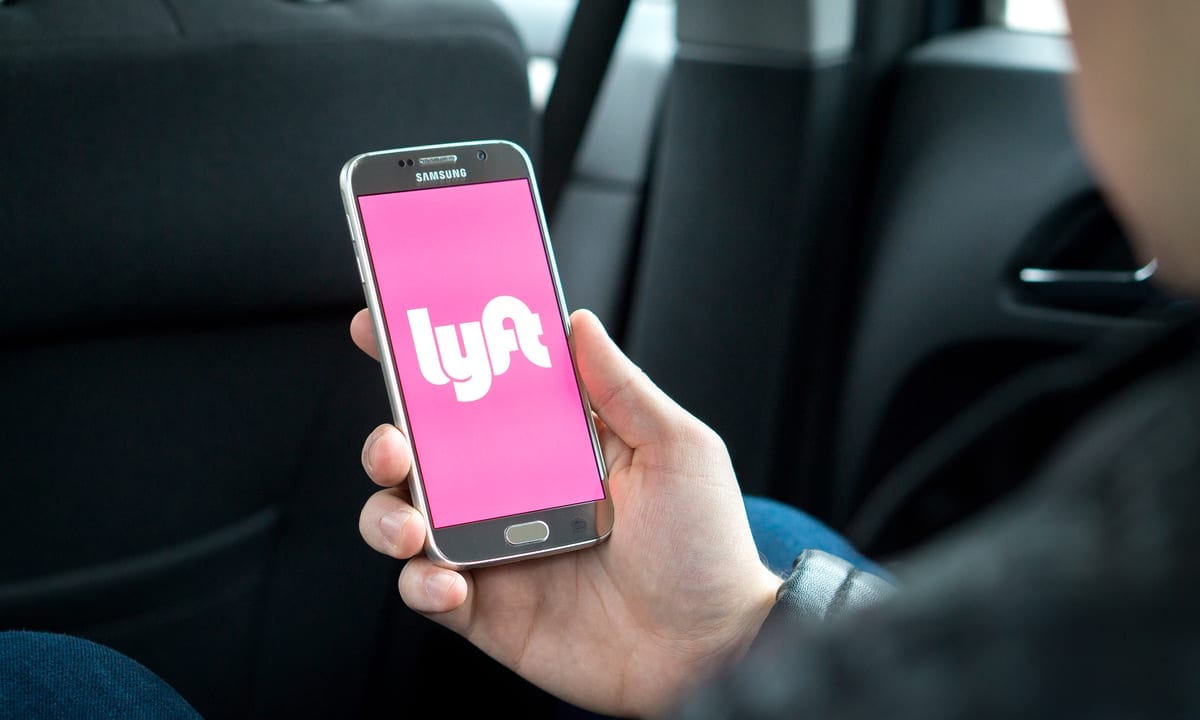
Lyft has expanded its partnership with United Airlines to allow passengers to use airline miles to pay for rideshare services. This integration marks a shift in the utility of loyalty programs, moving beyond traditional travel bookings into the daily transit ecosystem. By enabling the direct application of United Airlines miles toward Lyft fares, the companies are attempting to increase the stickiness of their respective platforms.
Strategic Alignment in Loyalty Ecosystems
The move effectively bridges the gap between long-haul travel rewards and short-haul urban mobility. For United Airlines, the integration provides a tangible way for members to utilize miles that might otherwise remain dormant in accounts. For Lyft, the partnership serves as a customer acquisition tool, incentivizing frequent travelers to prioritize its platform over competitors when arriving at airports or navigating city centers. This cross-pollination of user bases is designed to increase transaction frequency for both entities.
This development follows a period of intense focus on customer retention within the rideshare and airline sectors. As travel demand remains sensitive to macroeconomic shifts, loyalty programs have become essential tools for securing repeat business. By embedding mileage redemption directly into the payment flow, the companies reduce friction for users who prefer to offset travel-related costs using accumulated rewards rather than cash.
Impact on Platform Engagement
Integrating mileage redemption into the Lyft app creates a new layer of value for the UAL stock page ecosystem. While the immediate financial impact of mileage conversion rates remains to be seen, the operational shift suggests a broader trend of ecosystem consolidation. Companies are increasingly looking to partner with non-competing service providers to keep users within their digital environments.
AlphaScala data currently tracks United Airlines Holdings Inc. (UAL) with an Alpha Score of 62/100, placing it in the Moderate category within the Industrials sector. This score reflects the company's current performance metrics and market positioning as it navigates evolving consumer travel habits.
Future Integration Markers
The success of this partnership will be measured by the adoption rate of mileage-based payments among United Airlines frequent flyers. Investors should look for future disclosures regarding the volume of miles redeemed through the Lyft platform, as this will indicate whether the integration is driving incremental rides or simply shifting existing payment methods. The next concrete marker will be the quarterly earnings calls for both companies, where management may provide qualitative commentary on the impact of this loyalty expansion on user retention and platform spend. If the program gains traction, it could set a precedent for similar integrations across the broader stock market analysis landscape, where loyalty currency is increasingly treated as a liquid asset for everyday services.