Stocks● Neutral
Uninsured Disaster Losses Hit $424 Billion as Coverage Declines in Hotspots
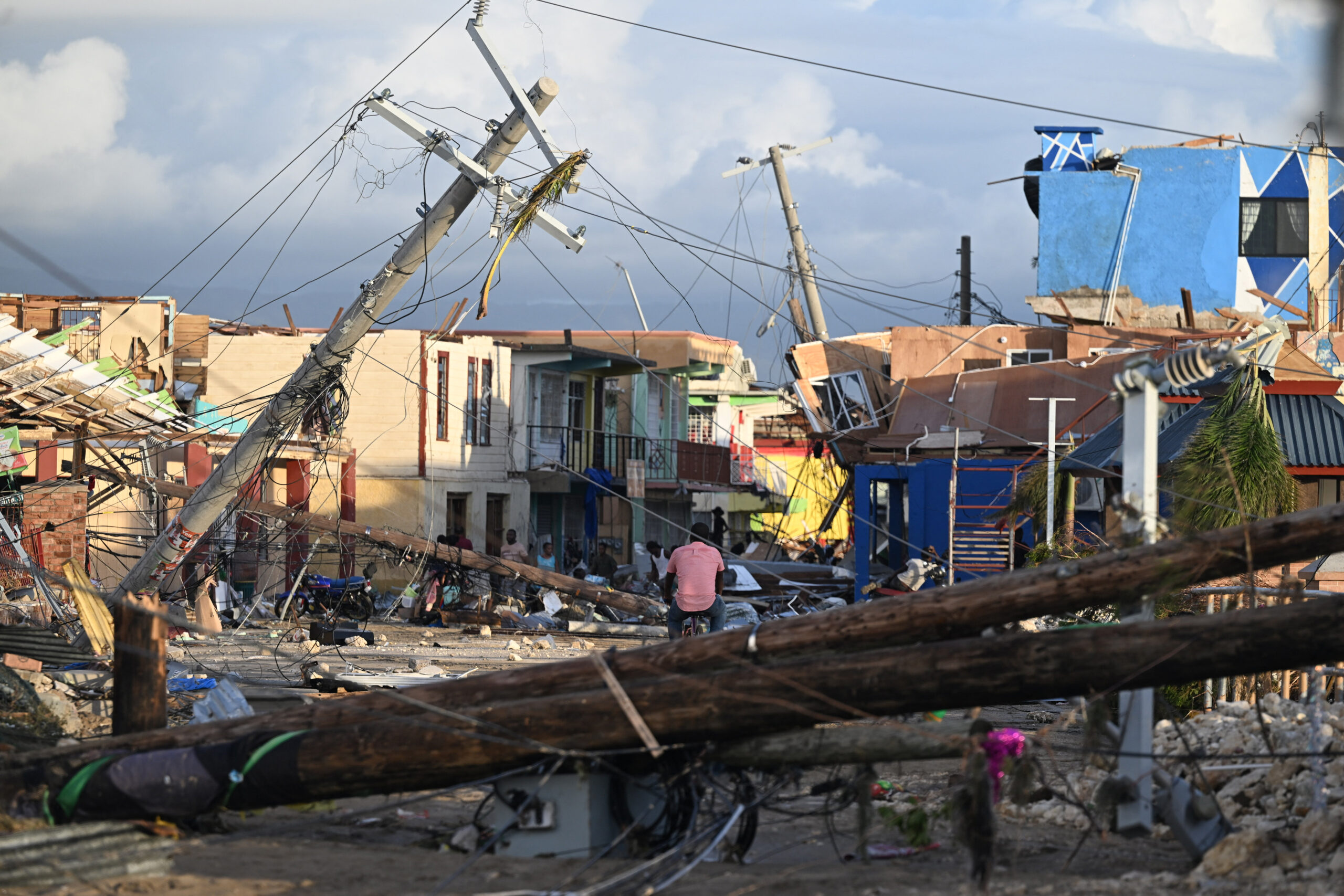
Global uninsured disaster losses hit $424 billion in 2024. North America led at $140 billion. Swiss Re projects $186 billion insured losses by 2030, a 12% CAGR.
Continue with
The value of uninsured natural-catastrophe losses rose more than 7% globally last year to $424 billion, with North America the most exposed region at $140 billion, the Swiss Re Institute said on Wednesday. The protection gap -- the difference between total economic losses and insured losses -- widened in absolute terms as the value of exposed assets grew, even as insurance coverage broadly kept pace with rising catastrophe exposure.
“In absolute terms, the protection gap continues to grow, as there is simply more to protect,” Swiss Re Institute said in the report.
For anyone tracking property and casualty insurers, reinsurers, and catastrophe-bond markets, the number matters. A widening gap means more uninsured risk accumulates on household and corporate balance sheets. It also implies potential pricing power for carriers that can accurately model and price new exposure -- provided they do not chase market share at inadequate rates.
The $424 Billion Protection Gap: Mechanism and Drivers
The $424 billion figure represents total uninsured losses from hurricanes, wildfires, floods, and earthquakes in 2024. That compares with roughly $396 billion the prior year -- a 7% increase that compounds the long-term trend of rising disaster costs driven by climate change, urbanization, and inflation.
Insurance coverage has improved in advanced economies in Europe, the Middle East, Africa, and Asia Pacific since 2015, the report found. The protection gap still grew because the underlying asset base expanded faster than insurance penetration, not because coverage universally fell.
North America Carries the Largest Absolute Shortfall
In North America, the gap rose 6% last year to $140 billion -- the largest absolute regional shortfall globally. That figure includes losses from hurricanes, wildfires, and severe convective storms, which have become more frequent and severe.
The implication for insurers is straightforward: premium rates in catastrophe-exposed regions have room to rise further. Regulatory and affordability constraints limit how fast carriers can adjust. The gap also creates demand for alternative risk transfer through catastrophe bonds and industry loss warranties.
California Earthquake Coverage Collapse as a Sector Warning
California offers a stark example of declining coverage in a high-hazard zone. Just 12% of residential property policies included earthquake coverage in 2024, down from 30% in 1994, according to the report. That drop reflects both the rising cost of earthquake insurance after the 1994 Northridge quake and the state’s moratorium on non-renewals after wildfires, which pushed carriers to limit exposure.
The read-through for the sector is that regulators in California and other disaster-prone states face growing pressure to reform pricing models or expand state-backed insurers of last resort. For investors, the California market represents a structural risk to homeowners insurers that are already curtailing new business.
Emerging Markets Accumulate Uninsured Risk
In emerging markets, resilience to natural catastrophes has declined over the past decade, the report found. Insurance coverage is falling in these regions even as the value of exposed assets rises, effectively concentrating risk on governments, multilateral lenders, and uninsured populations.
The divergence matters for global reinsurers that underwrite emerging-market catastrophe risk through treaty reinsurance. If exposure grows faster than premium rates, the loss ratio on that book may deteriorate in any single bad year.