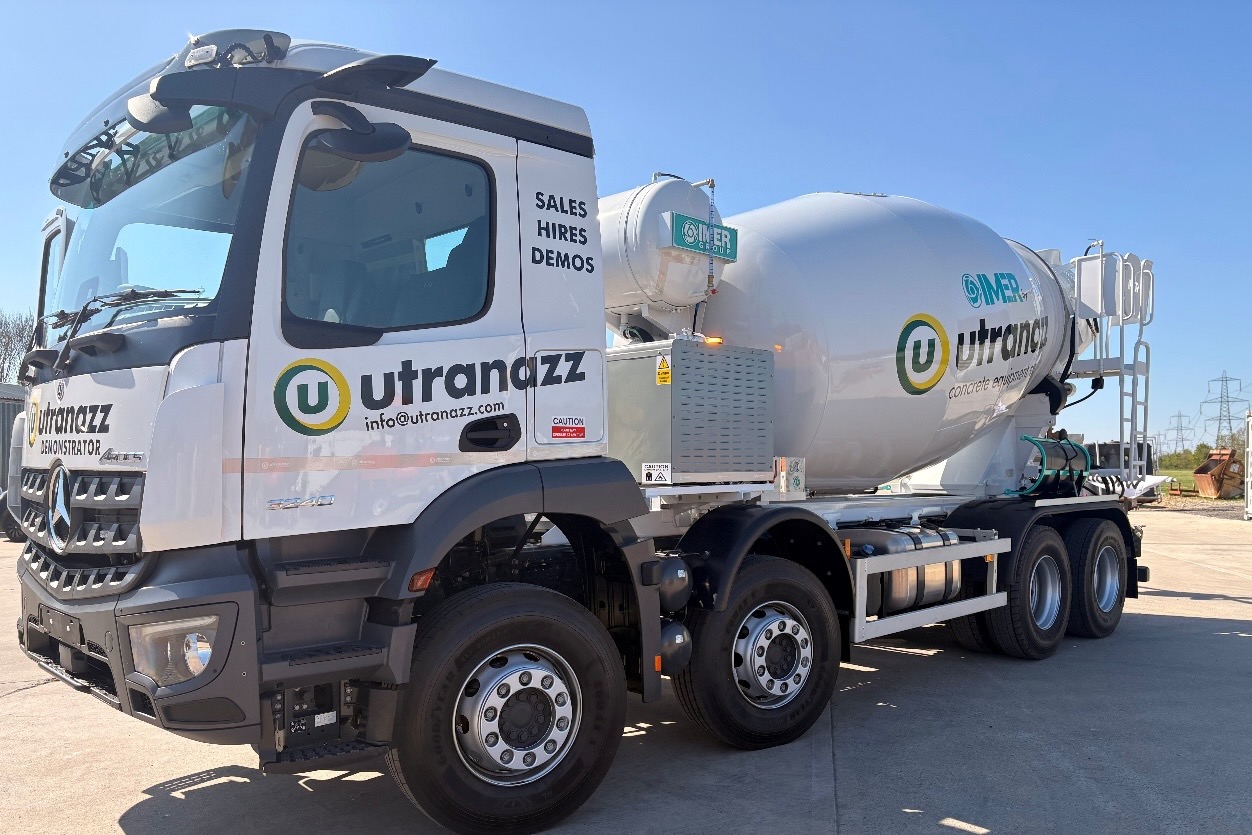
The introduction of the Ultradrive system by Ultranazz marks a shift in heavy equipment operations by enabling the electrification of concrete mixer drums. By replacing conventional hydraulic or mechanical upper-structure drive systems with an electric retrofit, the technology allows the drum to rotate while the primary truck engine remains powered down. This move addresses the operational inefficiency of idling heavy-duty diesel engines during stationary mixing or discharge phases.
Decoupling Power from Propulsion
The core value proposition of the Ultradrive system lies in the decoupling of the drum rotation from the vehicle drivetrain. Traditional concrete mixers rely on the truck engine to provide the power necessary for mixing, which leads to significant fuel consumption and emissions during site operations. By transitioning this specific function to an electric drive, operators can eliminate the need for the main engine to run during idle periods. This shift is particularly relevant for urban construction sites where noise ordinances and emission standards are increasingly stringent. The retrofit approach allows fleet owners to modernize existing assets rather than requiring a complete replacement of the vehicle fleet to meet sustainability targets.
Operational Impact on Construction Logistics
For the construction sector, the ability to operate mixer drums independently of the truck engine changes the cost structure of site logistics. Fuel savings represent the most immediate impact, but the reduction in engine hours also extends the service life of the primary vehicle drivetrain. This is a critical consideration for firms managing high-utilization fleets where maintenance cycles are tied strictly to engine hours. The adoption of such systems reflects a broader trend in industrial equipment where modular electrification is replacing integrated mechanical systems to drive operational efficiency.
AlphaScala data currently tracks various industrial and technology-adjacent sectors to monitor how these efficiency-focused retrofits influence capital expenditure cycles. While companies like ON Semiconductor Corporation with an Alpha Score of 45/100 and AGILENT TECHNOLOGIES, INC. with an Alpha Score of 55/100 operate in different verticals, the underlying demand for power management and diagnostic precision remains a common thread in stock market analysis. The transition toward electrified heavy machinery often mirrors the strategic shift toward autonomous air power in terms of prioritizing efficiency and system-level control.
Next Steps for Fleet Integration
The next marker for this technology will be the rate of adoption among major concrete logistics providers and the subsequent impact on maintenance schedules. Fleet managers will likely evaluate the system based on the return on investment regarding fuel savings versus the upfront cost of the retrofit. Future updates to watch include the integration of battery management software that allows for real-time monitoring of drum power consumption. As these systems move from pilot programs to fleet-wide deployments, the data gathered on battery longevity and charging infrastructure requirements will dictate the pace of wider industry adoption.