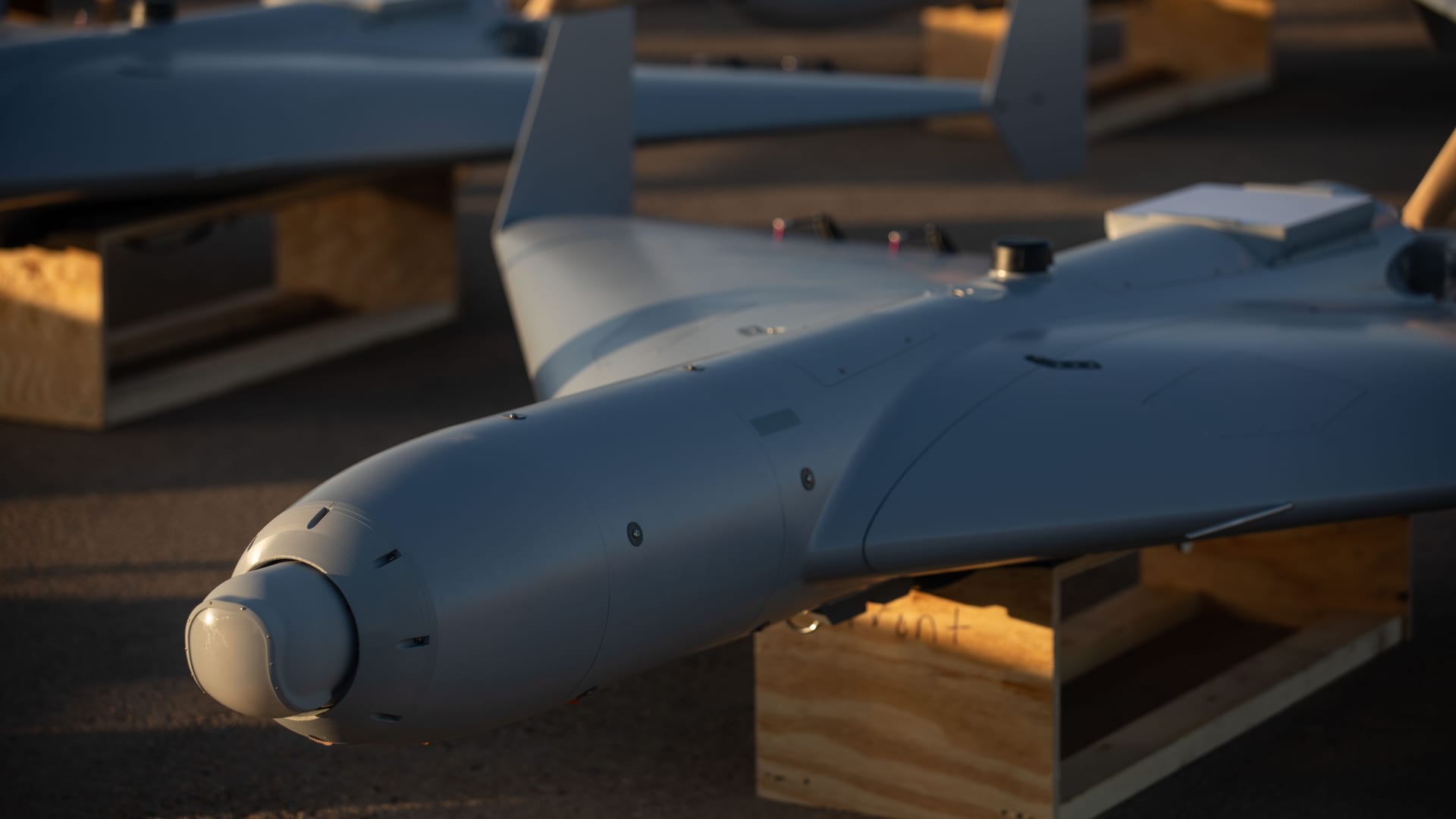
The dominance of small and medium-sized autonomous platforms in recent conflicts across Ukraine and the Middle East has fundamentally altered the narrative surrounding modern air power. While traditional aviation programs have long focused on high-cost, manned platforms, the current operational environment favors the rapid deployment of low-cost, expendable systems. This shift forces a reevaluation of defense procurement priorities as the United States faces increasing pressure to integrate autonomous capabilities at scale.
The Transition to Autonomous Systems
The reliance on Low-cost Unmanned Combat Attack System (LUCAS) drones in active theaters demonstrates that the future of air superiority is increasingly tied to software-defined hardware. These systems allow for high-volume operations that would be prohibitively expensive or risky with manned aircraft. The ability to field these platforms rapidly changes the calculus for defense contractors who have historically centered their business models on long-cycle, capital-intensive manufacturing processes.
This transition creates a distinct tension between legacy defense infrastructure and the agile requirements of modern warfare. As autonomous platforms become the primary drivers of tactical success, the focus shifts from individual aircraft performance to the scalability of the underlying software and the resilience of the supply chain. Companies that fail to pivot toward these autonomous architectures risk losing relevance as defense budgets prioritize volume and adaptability over singular, high-performance assets.
Sectoral Read-Through and Defense Valuation
The broader defense sector is currently undergoing a structural adjustment as investors weigh the long-term viability of traditional platforms against the rising demand for autonomous technology. This is not merely a shift in hardware but a fundamental change in how defense value is captured. The integration of artificial intelligence and autonomous navigation into air power suggests that the next generation of defense winners will be defined by their software integration capabilities rather than just their airframe manufacturing capacity.
AlphaScala data currently tracks various sectors with varying degrees of stability, reflecting the broader market uncertainty. For instance, companies like Unity Software Inc. hold an Alpha Score of 41/100, while Costco Wholesale Corporation and Lowe's Companies Inc. maintain scores of 58/100 and 51/100, respectively. These metrics highlight the mixed sentiment across technology and consumer sectors as they navigate shifting macroeconomic conditions and supply chain constraints. Similar to the challenges faced in stock market analysis, the defense sector must now reconcile high operational intensity with the need for rapid technological iteration.
The Path to Operational Scale
The next concrete marker for this sector will be the upcoming defense budget appropriations and the specific allocation of funds toward autonomous procurement programs. Investors should monitor the shift in contract awards from traditional prime contractors to firms specializing in modular, autonomous flight systems. The ability of these firms to move from prototype to mass production will serve as the primary indicator of whether the United States can bridge the gap in autonomous air power. As the geopolitical landscape remains volatile, the speed at which these systems are integrated into existing command structures will dictate the near-term trajectory of defense spending.