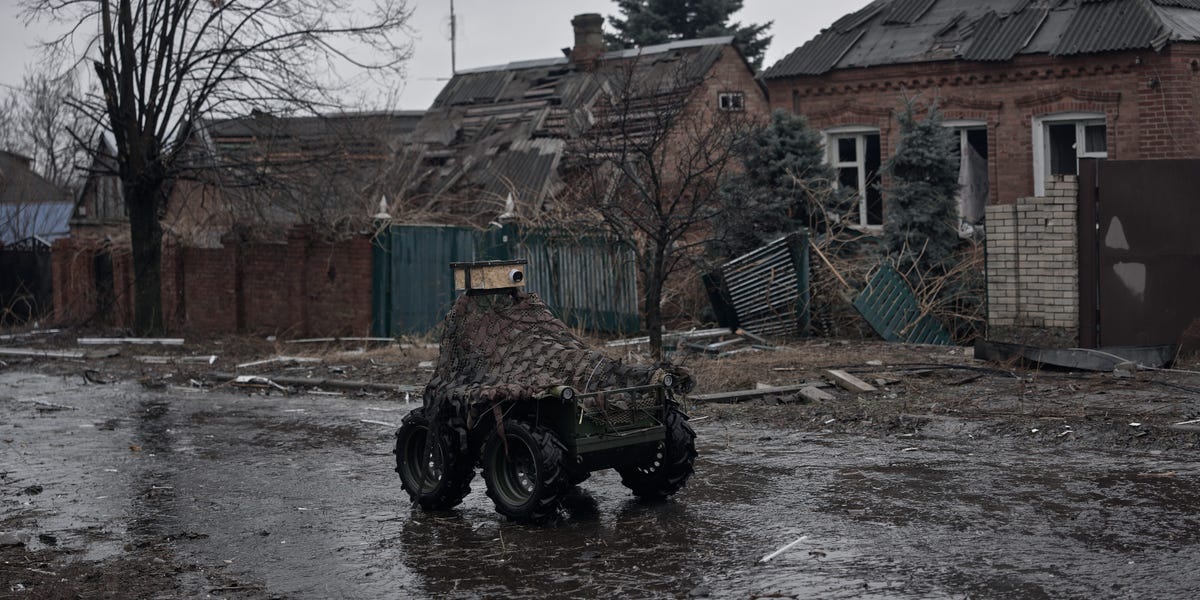
Ukraine's January EV tax inadvertently blocked thousands of ground drones from the front lines. Lawmakers race to repeal it before the summer fighting season deepens the shortage.
A January tax on electric vehicles has unintentionally cut off thousands of ground drones from Ukraine's front-line units. The CEO of a major defense company said the measure choked deliveries in the first quarter. Lawmakers are now racing to repeal or amend the rule, acknowledging the error.
The EV tax went into effect without exemptions for military equipment. Ground drones and their components fall under the same import classification as electric vehicles. The tariff raised costs and blocked shipments to Ukraine's armed forces. The CEO cited "thousands" of units that could not reach forward units in Q1.
This is not a mere bureaucratic mistake. The timing coincided with a ramp-up in Ukraine's ground drone program, which was designed to offset a persistent gap in artillery shells. Losing thousands of units at that inflection point means defensive lines face higher risk. International partners who pledged drone funding may now reconsider delivery schedules until the tax is reversed.
Ukraine's parliament has a narrow window. The draft repeal bill faces committee hearings this month. If it passes, the supply chain can begin ramping back up in May. If it stalls, the shortage extends into the summer fighting season. Defense contractors that supply chassis, motors, and control systems will adjust guidance accordingly.
The simple read is a policy error that needs fixing. The better market read examines the execution risk: the tax raised the effective cost of imported drone parts by an undetermined margin. If lawmakers do not repeal it within the next 30 days, second-quarter deliveries will likely miss targets. Traders watching the defense ETF space or individual names with Ukraine exposure should note that the next legislative vote is the decision point. A clean repeal would remove the overhang. A partial fix or continued debate would extend uncertainty.
Each week without a fix compounds the shortage. The committee hearing this month determines whether the bottleneck eases or tightens. Neither outcome is priced into the broader market, which has largely ignored the Ukraine tax story. For traders who track geopolitical catalysts, this is a rare instance where a single legislative fix has a direct, quantitative effect on unit counts and revenue.
Policy errors that directly alter supply chains create asymmetric setups. The EV tax is not a normal trade dispute. It is a self-inflicted wound that Ukraine is trying to heal. Whether it succeeds will determine whether the companies that supply ground drones see an acceleration in orders or a continued drag.
For a broader perspective on how regulatory changes affect portfolio positioning, see our stock market analysis and best stock brokers guides.
Prepared with AlphaScala research tooling and grounded in primary market data: live prices, fundamentals, SEC filings, hedge-fund holdings, and insider activity. Each story is checked against AlphaScala publishing rules before release. Educational coverage, not personalized advice.