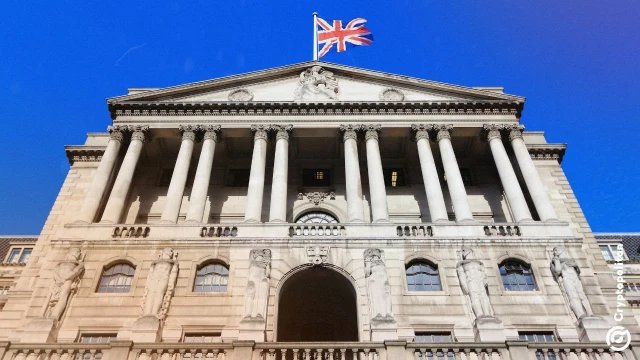
The Bank of England and the Financial Conduct Authority have opened parallel consultations aimed at building a regulated framework for institutional tokenization and digital wholesale financial markets. The move separates tokenized assets from retail crypto trading in policy, giving market participants a concrete rulemaking timeline.
Wholesale Tokenization Gets a Policy Roadmap
The consultations target what the regulators call a “regulated digital wholesale market.” The scope covers tokenized securities, collateral, and settlement assets. The focus is permissioned, institution-grade infrastructure using distributed ledger technology. This is not about Bitcoin or Ethereum-style cryptocurrencies. The UK carves out a distinct regulatory path for tokenized financial instruments while retail crypto remains under the existing FCA registration regime for cryptoasset firms.
The consultations request industry feedback on legal form, settlement finality, and DLT usage in wholesale market infrastructure. The BoE previously experimented with synchronised settlement using its Omnibus account project. This consultation is a direct step toward operational deployment. The stated goal is to make the UK a competitive venue for tokenized bond and fund issuance. Switzerland, Singapore, and the EU already operate pilot regimes in this space.
Sector Read-through: Tokenization Platforms and Custodians
The read-through for crypto markets is concentrated in the asset tokenization segment, not base-layer settlement coins. Projects that build tokenization platforms, digital custody solutions, or smart contract templates for regulated securities are the most exposed to a UK regulatory green light. Companies and protocols already aligned with UK sandbox programs or meeting existing FCA conduct standards are likely first-movers. The AML/KYC and custodial segregation requirements implied by the consultations favour established infrastructure providers over open-permissionless protocols.
The commercial logic is straightforward. If the BoE recognises tokenized securities as eligible collateral in its discount window or monetary operations, demand for tokenization services jumps. Banks and asset managers will not tokenize assets at scale without a regulatory framework that gives legal certainty to settlement finality. That is exactly what the consultations aim to deliver.
Confirmed Scope and Next Steps
Confirmed: The BoE and FCA have launched consultations on institutional tokenization and digital wholesale markets. The scope covers legal form, settlement, and DLT usage. No specific platform or asset class has been singled out yet. The consultations are at the question-gathering stage.
Inference: The consultations create a timeline for rule-making that could take 12 to 18 months. During that period, UK-focused tokenization projects are likely to increase lobbying and sandbox participation. The US and EU have similar efforts underway. The UK is not setting a global-first agenda. It is establishing a clear jurisdiction where institutional tokenization has a defined regulatory path.
The consultations close for comment in spring 2025. The next decision point is the feedback summary and a potential draft rulebook from the FCA and BoE. For traders and allocators watching the crypto market, the signal is that tokenization infrastructure stands to gain a regulatory moat in a major financial centre. Projects that can demonstrate compatibility with the UK framework will have a concrete catalyst. Those that cannot will face a widening adoption gap.
For a deeper look at how tokenization intersects with confidentiality requirements in regulated markets, see Why Real and iExec Are Targeting Confidential RWAs. Broader context on how central banks approach digital asset infrastructure is available in US officials quietly explore CBDC structure despite Trump ban.