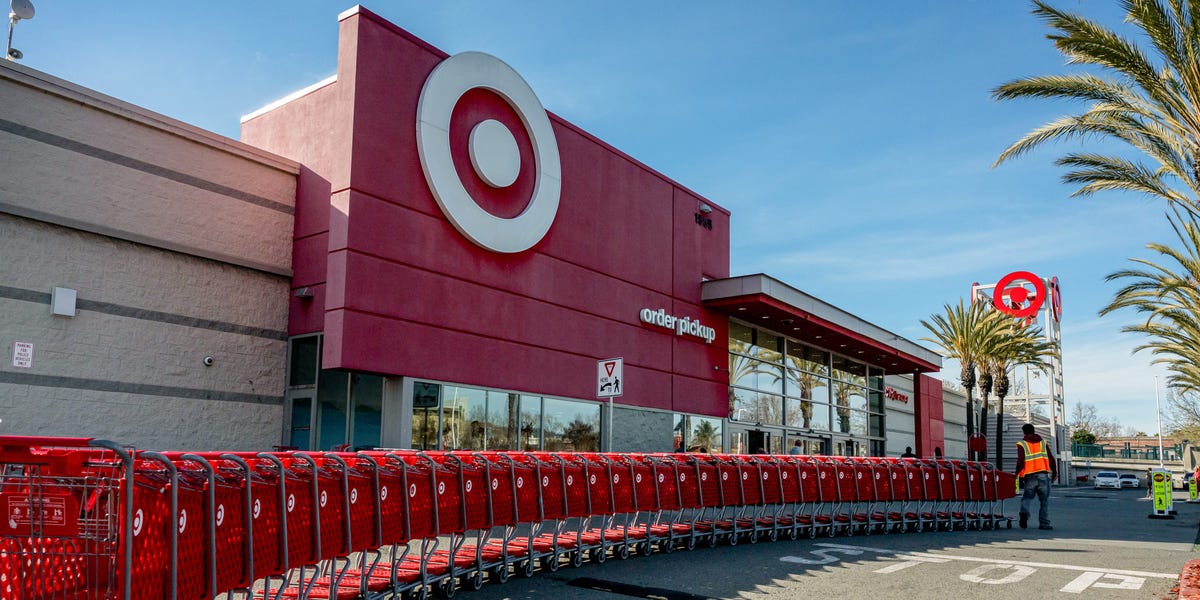
Target Corporation (TGT) reported first-quarter sales of $25.4 billion, crushing expectations and signaling that its renewed emphasis on trend-driven, low-priced merchandise is resonating with shoppers. The result marks a clear win for a turnaround that had been under pressure after several quarters of cautious consumer spending.
The simple read is that Target executed better on inventory and marketing. The better market read is that the company exploited a widening gap in retail. Department stores and specialty apparel chains have struggled to match Target's price-to-fashion ratio. Consumers facing inflation fatigue are not just trading down to the cheapest option. They are seeking a mix of style and cost that Target now delivers more consistently than most peers.
Target's $25.4B Quarter: What Changed
Sales volume picked up during the quarter as shoppers returned for both basics and seasonal apparel. Target's private-label brands and its curated partnerships with emerging designers drove traffic without requiring heavy discounting. The $25.4 billion top line suggests that the company's strategy of blending trend cycles with everyday low prices can work at scale.
The gross margin picture likely improved as full-price selling increased. While the report did not provide margin details, a revenue beat of this magnitude implies operational leverage. The turnaround narrative now has hard data behind it, reducing the execution risk that had hung over the stock.
The Retail Readthrough: Where the Win Spreads
The readthrough is most direct for mass merchants and discount retailers that compete in the same style at value segment. Companies operating in off-price apparel, home goods, and seasonal merchandise face a stronger rival. Target's success also pressures department stores that have been slow to adopt a similar price architecture.
On the supply chain side, Target's ability to move inventory without aggressive markdowns benefits its vendors. Apparel manufacturers and consumer goods suppliers tied to the value-retail channel may see steadier order flow. Conversely, premium brands that rely on department store distribution face a tougher comparison if consumers shift their spending to Target.
Next Catalysts: Guidance and Peer Reports
The key forward-looking data point will be Target's second-quarter outlook when it reports full earnings. A raise in guidance would confirm that the trend is sustainable. Peer results from Walmart, Costco, and TJX Companies over the coming weeks will show whether Target's win reflects share gain or a general consumer improvement. The consumer price index and retail sales data for April and May are the macro inputs that will define whether this beat is a one-off or a structural shift.
For now, the Target print resets expectations for the retail sector. The company showed that a disciplined focus on value and style can still drive growth in a cautious spending environment. The next quarter will test whether that formula has staying power.