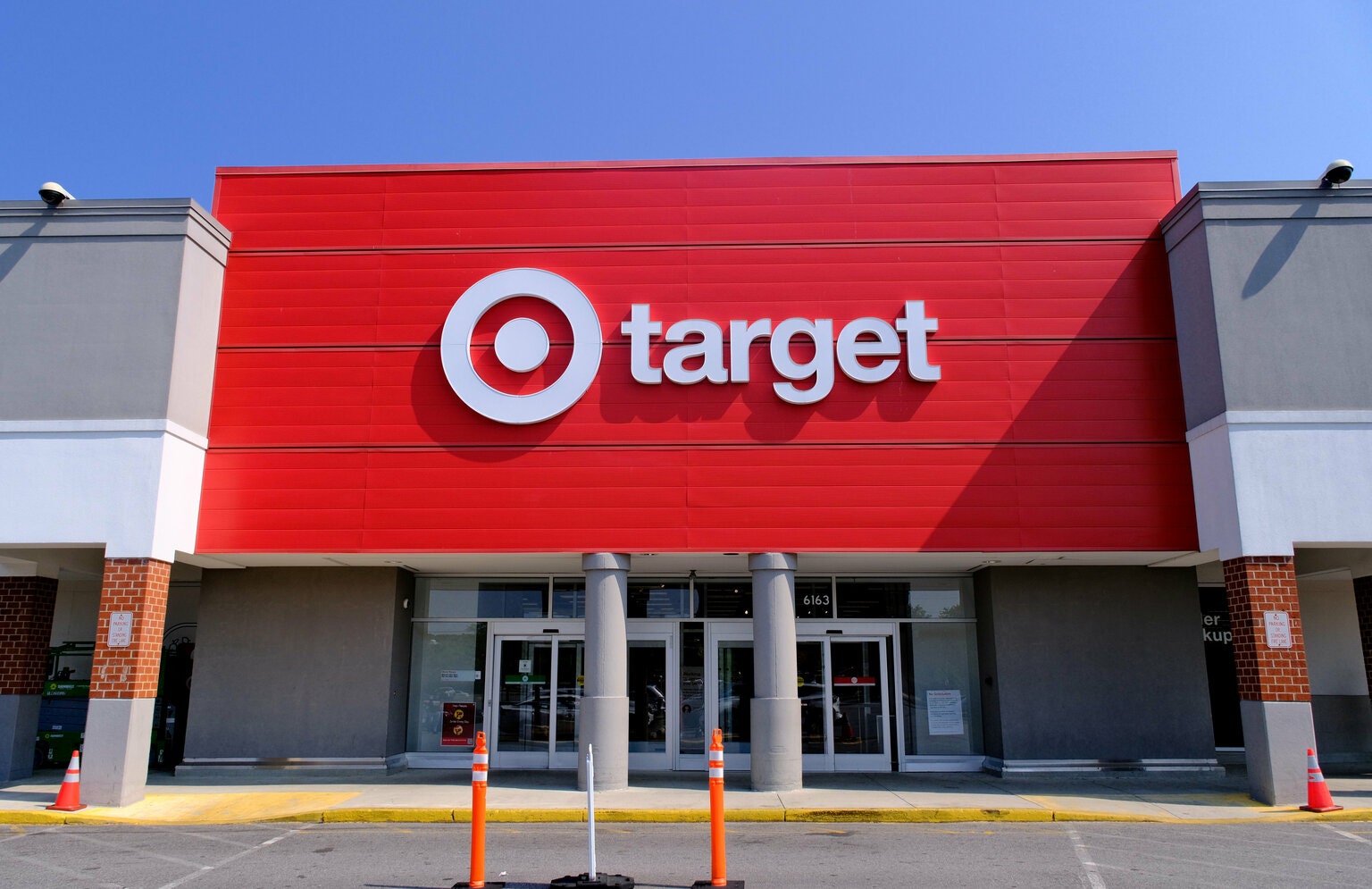
Target (TGT) faces a recalibration of its operational narrative as recent performance metrics reveal persistent friction in maintaining profitability. The company has struggled to balance its inventory mix against shifting consumer spending patterns, leading to a visible strain on margins. While the retail giant has attempted to pivot its product strategy to capture more essential-goods volume, the underlying cost structure remains sensitive to supply chain volatility and elevated labor expenses. This development forces a reassessment of the broader retail sector, where similar pressures on discretionary spending are beginning to manifest across comparable big-box operators.
Operational Friction and Inventory Management
The core issue for Target centers on its ability to manage inventory turnover without resorting to aggressive discounting. When a retailer relies on price cuts to move stagnant goods, the immediate impact is a contraction in gross margins that often lingers through subsequent quarters. For Target, the challenge is compounded by a product mix that leans heavily into discretionary items, which are the first categories to see demand destruction during periods of tightening household budgets. Investors should look at the company's ability to optimize its logistics network as a primary indicator of whether these margin pressures are structural or merely a temporary byproduct of current inventory cycles.
Sector Read-Through and Valuation Risks
Target serves as a bellwether for the health of the middle-income consumer. If the company continues to report difficulty in maintaining its margin profile, it suggests that the broader retail landscape is facing a sustained period of reduced pricing power. This is particularly relevant for stock market analysis as it relates to consumer discretionary spending. When companies like Target struggle, it often signals that the inflationary environment has forced a permanent change in consumer behavior, moving away from non-essential purchases toward a more defensive, value-oriented shopping list. The valuation risk here is that the market may have been too optimistic about a rapid recovery in discretionary demand, leaving the stock vulnerable to further downward revisions if future guidance does not show a clear path to margin expansion.
The Path to Stabilization
To reverse the current trend, Target must demonstrate a successful transition toward a more resilient inventory model that prioritizes high-velocity, essential goods while minimizing the capital tied up in slow-moving discretionary stock. The next critical marker will be the company's ability to maintain its operating margin in the face of persistent wage growth and logistics costs. If the next set of earnings reports shows a continued reliance on promotional activity to drive traffic, it would confirm that the structural headwinds remain firmly in place. Conversely, a stabilization in inventory levels and a return to more normalized margin growth would indicate that the company has successfully navigated the current consumption shift. Traders should monitor the upcoming quarterly filings for specific commentary on inventory turnover ratios and any adjustments to capital expenditure plans, as these will provide the clearest evidence of how management intends to protect the bottom line in a challenging macro environment.