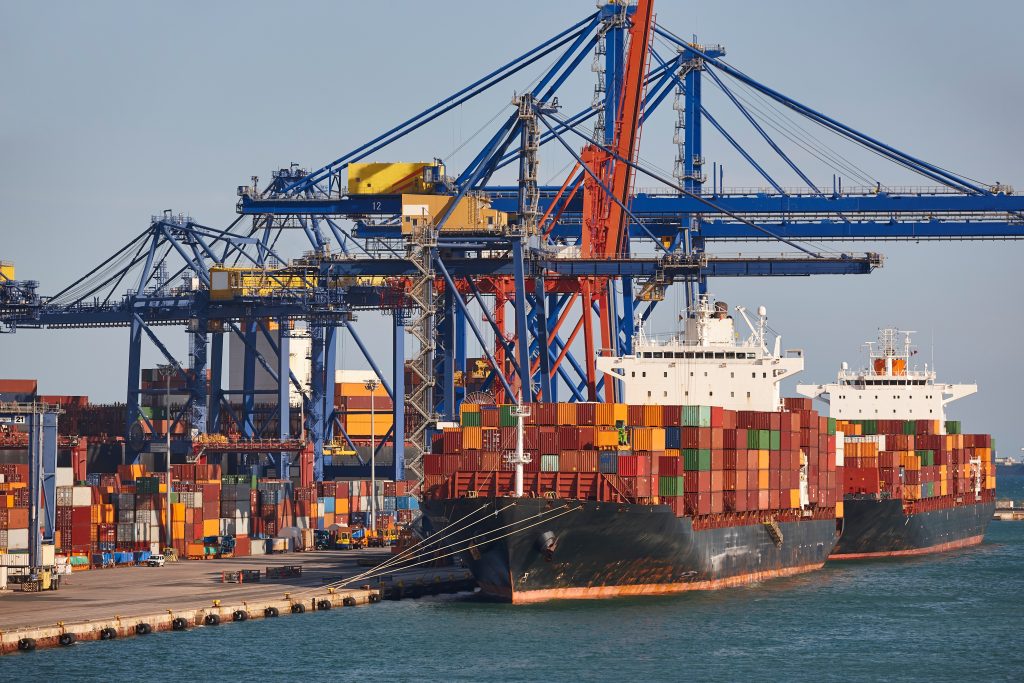
The Maritime Dependency Metric
The UK economy relies on maritime trade for 85% of its international freight by weight, leaving the nation's supply chain tethered to the volatility of global shipping lanes. Data from the Department for Transport for 2024 shows that 55% of the total value of UK imports and exports also transits via sea, creating a concentrated risk profile for domestic trade flows.
This dependence on maritime arteries means that any localized disruption in chokepoints like the Red Sea or the Suez Canal has an outsized impact on UK inflation and inventory costs. While policymakers often discuss diversifying trade routes, the physical reality of the UK as an island nation keeps maritime logistics as the primary, and often only, cost-effective channel for bulk goods.
Market Implications for Traders
For investors monitoring the macro environment, this data suggests the UK is uniquely sensitive to global shipping insurance premiums and fuel costs. When maritime traffic slows or reroutes, the immediate effect is a spike in landed costs for imported goods, which contributes to sticky CPI prints. Traders should watch the following indicators for signs of supply chain stress:
- Baltic Dry Index (BDI): A direct reflection of the cost of moving raw materials by sea.
- Brent Crude (CL): Rising oil prices exacerbate freight costs, squeezing margins for UK-based retailers and manufacturers.
- GBP/USD: Sterling often reacts to trade balance reports; sustained supply chain-led inflation can force the Bank of England to maintain higher rates than the market expects.
Structural Risks and Portfolio Positioning
Investors looking at the UK equity market should differentiate between firms with local supply chains and those heavily reliant on JIT (Just-in-Time) delivery models. Companies with high inventory turnover ratios are the most exposed to delays at major ports like Felixstowe or Southampton. If maritime transit times increase by even a few days, these firms suffer from working capital strain and potential stockouts.
"The UK remains highly exposed to disruption across global shipping routes," according to recent Department for Transport data.
Historically, the UK has struggled to decouple its trade value from its physical volume, meaning that when shipping costs rise, the inflationary impact is felt almost immediately at the consumer level. Unlike larger continental economies, the UK cannot easily pivot to rail or road alternatives for the bulk of its international commerce.
What to Watch
Monitor the crude oil profile as a leading indicator for shipping surcharges. If energy prices trend upward, look for compression in the operating margins of FTSE 100 retail components. Traders should also assess the impact of these logistics bottlenecks on the SPX and its international counterparts, as shipping disruptions rarely remain isolated to a single jurisdiction. The real risk is not just the cost of freight, but the unpredictability of delivery schedules that disrupts the entire production cycle.