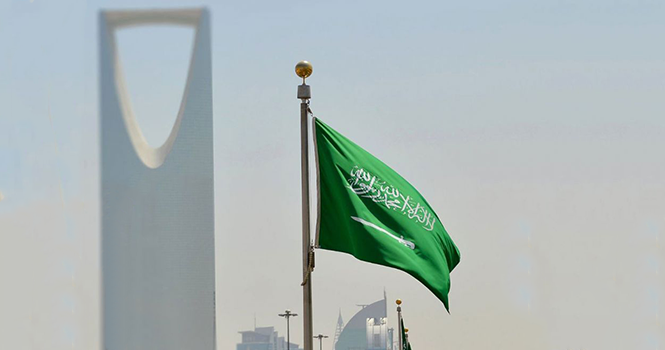
Fiscal Stability and Non-Oil Growth
The Council of Economic and Development Affairs (CEDA) in Saudi Arabia reported that the Kingdom’s economy maintains structural resilience, citing consistent performance across non-oil sectors. This assessment comes as the government balances its ambitious Vision 2030 spending requirements with the volatile reality of global energy markets and regional geopolitical friction.
While the source did not provide a specific GDP growth figure for the most recent quarter, the Council emphasized that the diversification strategy is shielding the fiscal balance from over-reliance on crude price fluctuations. The government’s fiscal framework remains anchored by the Public Investment Fund (PIF) and a focus on domestic industrial capacity, which serves as a buffer against external supply chain disruptions.
Market Implications for Energy and Regional Equities
For traders, the resilience of the Saudi economy is intrinsically linked to the price of Brent crude. Large-scale infrastructure projects continue to drive capital expenditure, but the funding of these initiatives requires sustained oil revenue to maintain the current fiscal trajectory. Investors tracking the crude oil profile should monitor how the Kingdom manages its production quotas through OPEC+ in relation to its domestic spending targets.
- Fiscal Buffer: The government is prioritizing non-oil revenue streams to mitigate potential dips in energy demand.
- Capital Allocation: Significant liquidity remains directed toward internal giga-projects, which influences regional construction and banking sector liquidity.
- Regional Sentiment: Market participants monitoring the Tadawul All Share Index (TASI) often use these council statements to gauge the government's appetite for continued stimulus versus fiscal tightening.
Data Points to Watch
"The Kingdom’s economy continues to demonstrate its ability to adapt to global variables while maintaining the momentum of its development programs."
Traders should watch the upcoming quarterly budget execution reports for shifts in allocation. If the government signals a pause or pivot in project spending, it could trigger a repricing in regional equities and impact the broader market analysis for emerging market energy exporters. Watch for adjustments in sovereign debt issuance, as this will provide a clearer picture of whether the Kingdom intends to lean on its cash reserves or tap international capital markets to offset any potential shortfall in hydrocarbon receipts.
The maintenance of current fiscal policies suggests that the Kingdom is prepared to absorb short-term volatility without derailing its long-term industrialization agenda.