Back to Markets
Stocks● Neutral

TUMI Shifts Seasonal Strategy Toward Premium Travel Lifestyle Positioning

TUMI Shifts Seasonal Strategy Toward Premium Travel Lifestyle Positioning
ONASHASKEY

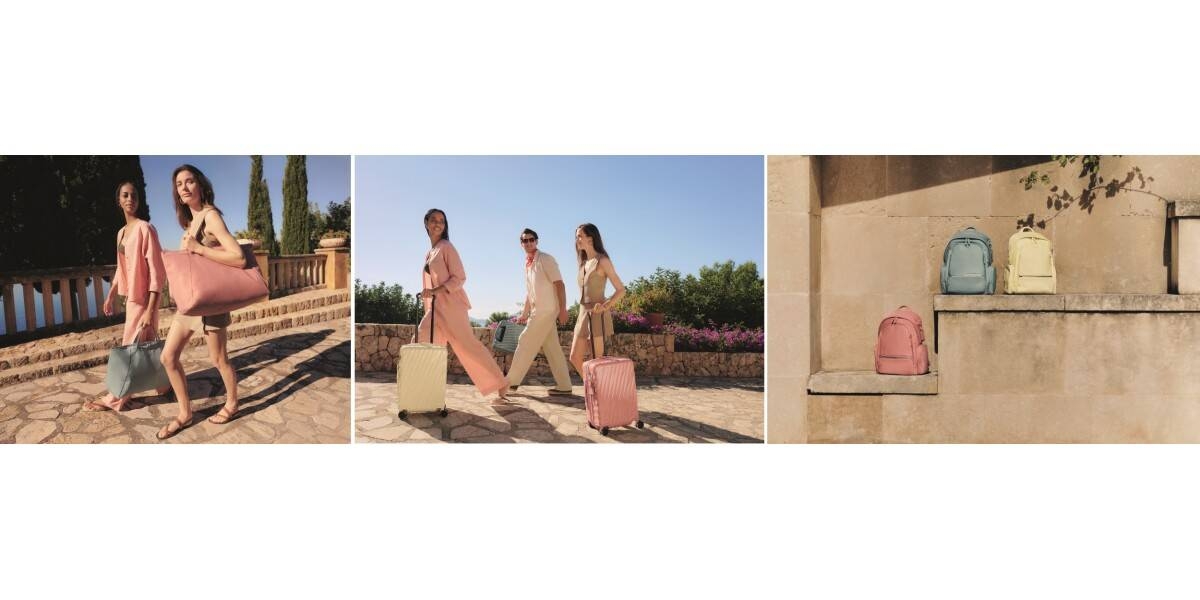
TUMI is pivoting toward a lifestyle-focused strategy with its new Mediterranean Escape collection, aiming to capture luxury travel demand through seasonal design refreshes.

AlphaScala Research Snapshot
Live stock context for companies directly referenced in this story
Alpha Score
46
Weak

Alpha Score of 46 reflects weak overall profile with strong momentum, poor value, poor quality, moderate sentiment.

Consumer Cyclical
Alpha Score
47
Weak

Alpha Score of 47 reflects weak overall profile with moderate momentum, poor value, moderate quality. Based on 3 of 4 signals — score is capped at 90 until remaining data ingests.

Consumer Cyclical

HASBRO, INC. currently screens as unscored on AlphaScala's scoring model.

Financials
Alpha Score
69
Moderate

Alpha Score of 69 reflects moderate overall profile with strong momentum, strong value, moderate quality, weak sentiment.

This panel uses AlphaScala-native stock data, separate from the source wire linked above.

TUMI has launched its Mediterranean Escape collection, a seasonal pivot that emphasizes aesthetic alignment with high-end travel experiences. By anchoring its latest product cycle in the thematic allure of coastal regions, the brand is moving beyond functional utility to capture a larger share of the luxury lifestyle market. This shift represents a deliberate effort to associate the brand identity with aspirational travel, moving away from purely utilitarian luggage design.

Brand Positioning and Seasonal Revenue Drivers

The Mediterranean Escape collection serves as a tactical expansion of the company product portfolio. By introducing specific color palettes and design motifs inspired by coastal geography, TUMI is attempting to increase the frequency of consumer engagement during peak travel periods. This strategy relies on the assumption that travel accessories are increasingly viewed as extensions of personal style rather than simple transit tools. The focus on seasonal aesthetics allows the company to refresh its inventory and drive interest among existing customers who prioritize brand consistency in their travel gear.

This approach mirrors broader trends in the stock market analysis sector where consumer-facing brands are prioritizing experiential marketing to maintain pricing power. By tying product releases to specific travel themes, TUMI creates a narrative that supports premium price points even as broader retail demand faces pressure from inflationary headwinds. The success of this strategy depends on the brand ability to maintain its reputation for durability while successfully pivoting toward fashion-forward design cycles.

Operational Integration of Lifestyle Narratives

The integration of lifestyle-focused marketing into the core product line requires a delicate balance between quality assurance and rapid design iteration. TUMI is leveraging this collection to test consumer appetite for more frequent seasonal refreshes, which could alter the traditional product lifecycle for high-end luggage. If the Mediterranean Escape collection achieves high sell-through rates, it may signal a permanent shift in how the company manages its inventory and marketing spend.

  • The collection features updated colorways across core product categories.
  • Marketing efforts are concentrated on digital channels that emphasize travel experiences.
  • The rollout targets key travel hubs to maximize visibility among high-net-worth travelers.

This transition into lifestyle branding is a significant departure from the company historical focus on business-centric travel. While the business segment remains a stable revenue base, the expansion into leisure-oriented aesthetics provides a necessary hedge against potential slowdowns in corporate travel budgets. The company is effectively diversifying its consumer base by appealing to vacation-focused demographics who are less sensitive to macroeconomic cycles than corporate purchasers.

Future Performance Markers

The next indicator of success for this strategy will be the inventory turnover rates reported in the subsequent quarterly filings. Investors should monitor whether the shift toward seasonal collections results in higher marketing costs that compress margins or if the premium pricing associated with these lifestyle collections offsets the increased operational complexity. The company ability to sustain this momentum will be tested when the seasonal cycle concludes and the brand must transition to its next thematic rollout. The primary marker for long-term viability remains the brand ability to retain its core customer base while successfully attracting a younger, style-conscious demographic through these targeted thematic campaigns.

How this story was producedLast reviewed Apr 29, 2026

AI-drafted from named sources and checked against AlphaScala publishing rules before release. Direct quotes must match source text, low-information tables are removed, and thinner or higher-risk stories can be held for manual review.

Editorial Policy·Report a correction·Risk Disclaimer