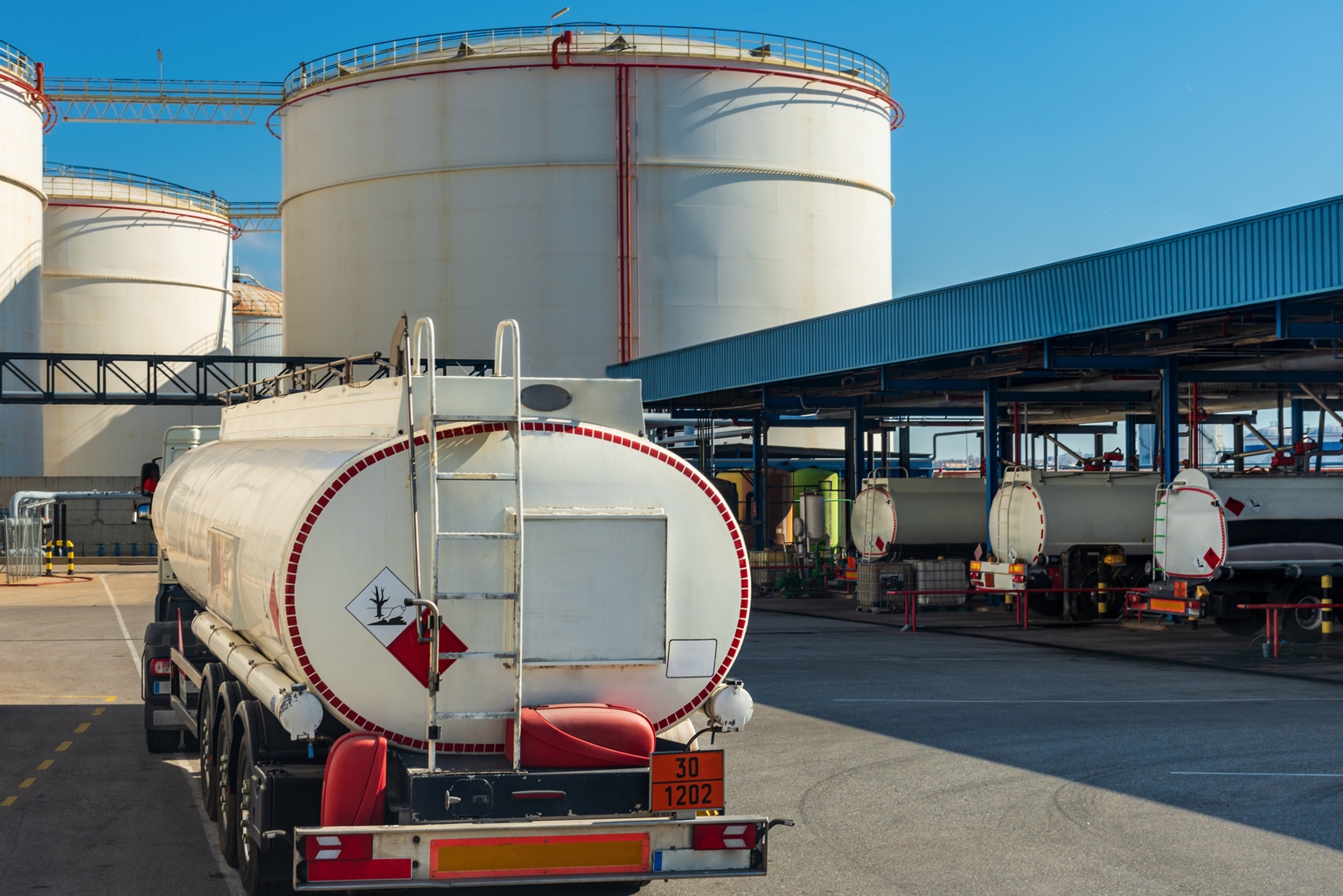
NGL Energy Partners LP is positioning its fiscal trajectory around a target EBITDA range of $650 million to $660 million for fiscal year 2026. This outlook relies on sustained demand for water disposal services and an expansion in dedicated acreage, which saw a 14 percent year-over-year increase. As a logistics provider for crude oil and water solutions, the firm is leveraging its infrastructure to capitalize on the current production environment in the Permian Basin.
Water Disposal Volumes and Infrastructure Utilization
The core of the company's operational strategy involves the management of produced water, a byproduct of crude oil extraction. Record volumes of water disposal are currently driving revenue stability, as producers require reliable midstream infrastructure to maintain drilling activity. By securing long-term contracts for water disposal, NGL Energy Partners creates a predictable cash flow stream that is less sensitive to the immediate volatility of benchmark crude prices compared to upstream exploration and production firms.
Increased dedicated acreage provides the necessary volume to maximize the utilization of existing disposal wells and pipeline networks. This scale is critical for maintaining margins in the water solutions segment, where operational efficiency is tied to the throughput of water handling facilities. The company's ability to integrate these services into the broader logistics chain for crude oil producers serves as a primary driver for its current financial targets.
Crude Oil Logistics and Contractual Visibility
Beyond water management, the company remains active in the crude oil logistics space. The stability of these operations depends on the firm's ability to secure and maintain contracts with regional producers. Contract visibility acts as a hedge against market fluctuations, allowing the partnership to plan capital expenditures with a clearer view of future throughput requirements.
This logistics framework is essential for the broader energy sector, as seen in commodities analysis. The reliance on midstream providers like NGL highlights the necessity of infrastructure in supporting regional production levels. As producers focus on operational efficiency, the demand for integrated logistics services that handle both crude oil and the associated water waste remains a structural requirement for the industry.
AlphaScala Data and Market Context
AlphaScala monitors a range of companies across the technology and consumer sectors, including ON stock page, which holds an Alpha Score of 46/100 and a Mixed label. While NGL Energy Partners operates in a different sector than HAS stock page, the broader market environment continues to emphasize companies that can demonstrate clear paths to EBITDA growth through infrastructure utilization and contractual volume commitments.
The next concrete marker for the partnership will be the release of its upcoming quarterly earnings report. Investors will look for confirmation that the 14 percent growth in dedicated acreage is translating into the projected EBITDA figures for fiscal year 2026. Any deviation in water disposal volumes or changes in the pace of new contract signings will serve as the primary indicator for the firm's ability to meet these stated financial goals.