Stocks● Neutral
Tulsi Gabbard Resigns as DNI: What the Handover Means
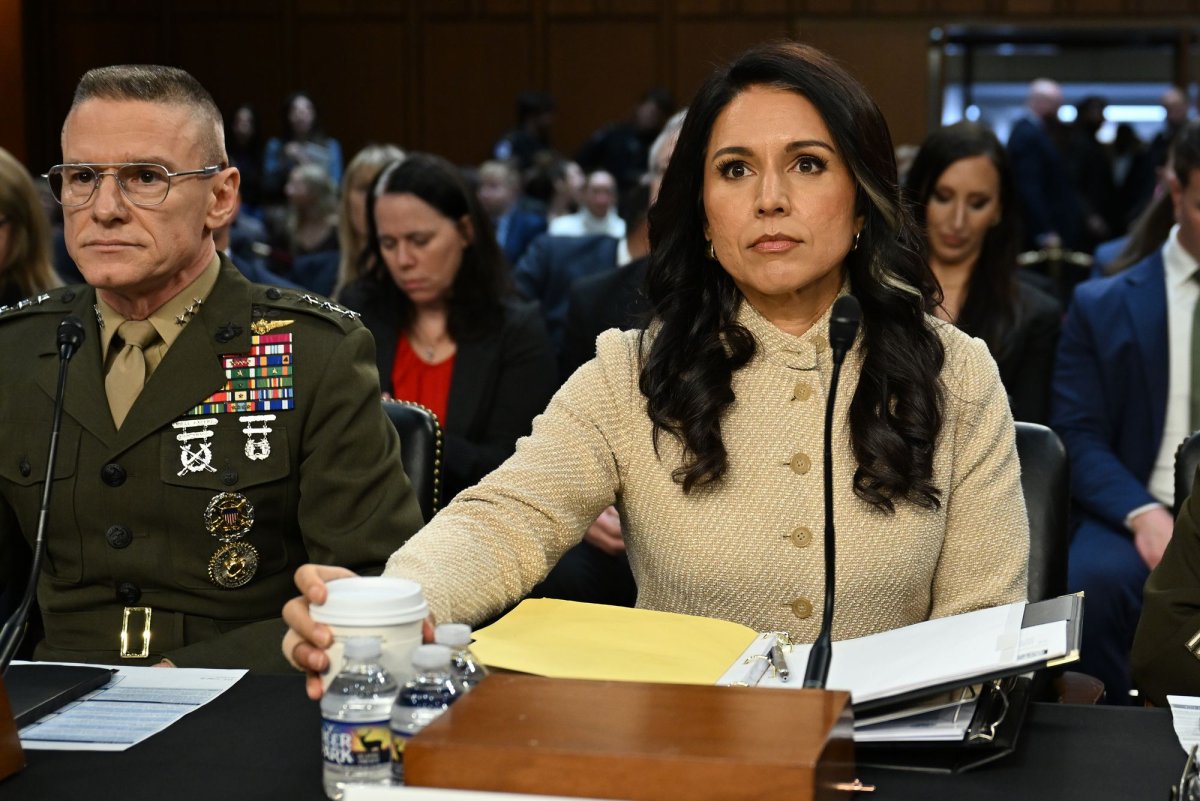
Tulsi Gabbard resigns as DNI after husband's cancer diagnosis. Aaron Lukas takes over as acting director June 30. No market impact expected.
Continue with
Tulsi Gabbard resigned as director of national intelligence Friday to support her husband, Abraham Williams, after his diagnosis with a rare form of bone cancer. The resignation introduces a transition risk at the Office of the Director of National Intelligence (ODNI) less than two years into her tenure. For traders and investors tracking government-contractor exposure, the event is a personnel change driven by personal circumstances, not policy failure or scandal. The immediate question is whether the handover to acting DNI Aaron Lukas can preserve operational stability through the end of June.
The Resignation and the DNI Vacuum
Gabbard posted her resignation letter on X, stating she will step away from public service to be by her husband's side. She described the decision as balancing her husband's dedication to her career, dating to her military service, and said she "cannot in good conscience ask him to face this fight alone while I continue in this demanding and time-consuming position."
President Donald Trump announced on Truth Social that Aaron Lukas, the principal deputy director of national intelligence, will take over as acting DNI after Gabbard leaves June 30. Trump called Gabbard's work "incredible" and said he has "no doubt" her husband will soon be better.
The Confirmation Controversy
Gabbard was a divisive nominee. Almost all Republicans voted to confirm her on a party-line vote. Former Senate Republican leader Mitch McConnell voted against her, saying she "failed to demonstrate" readiness for the position. That opposition signals lingering doubts about leadership depth at ODNI. A factor that could resurface if the Senate challenges Lukas's acting role or demands a permanent nominee.
Exposure: Who Is Affected?
Direct exposure to this event is limited to the intelligence community workforce and contractors who rely on top-level policy direction. No publicly traded company has disclosed revenue tied to Gabbard's personal decisions. The resignation is categorized as a low-probability, low-magnitude risk event for equity markets.
For firms with government intelligence contracts – such as those in cybersecurity, satellite imagery, or signals analysis – a change in DNI leadership can shift procurement priorities over time. Lukas's background and stated priorities are not yet public, which introduces a small information gap. Traders should monitor any announcements from ODNI regarding contract review timelines or national security strategy adjustments.