Bihar students get free bus travel for the June 21 NEET re-exam. The political move cuts travel costs but execution on test day will decide if the template holds.
Students appearing for the NEET UG re-examination on June 21 will travel free on state-run buses across Bihar. Chief Minister Samrat Choudhary announced the facility, covering all government-operated transport. The decision applies to students traveling to exam centers within the state.
District administrations, local temples, and non-governmental organizations will help arrange drinking water and sattu (a traditional energy drink) for students and their parents at major transport hubs. The coordination aims to reduce the logistical burden on families during a high-stakes examination period.
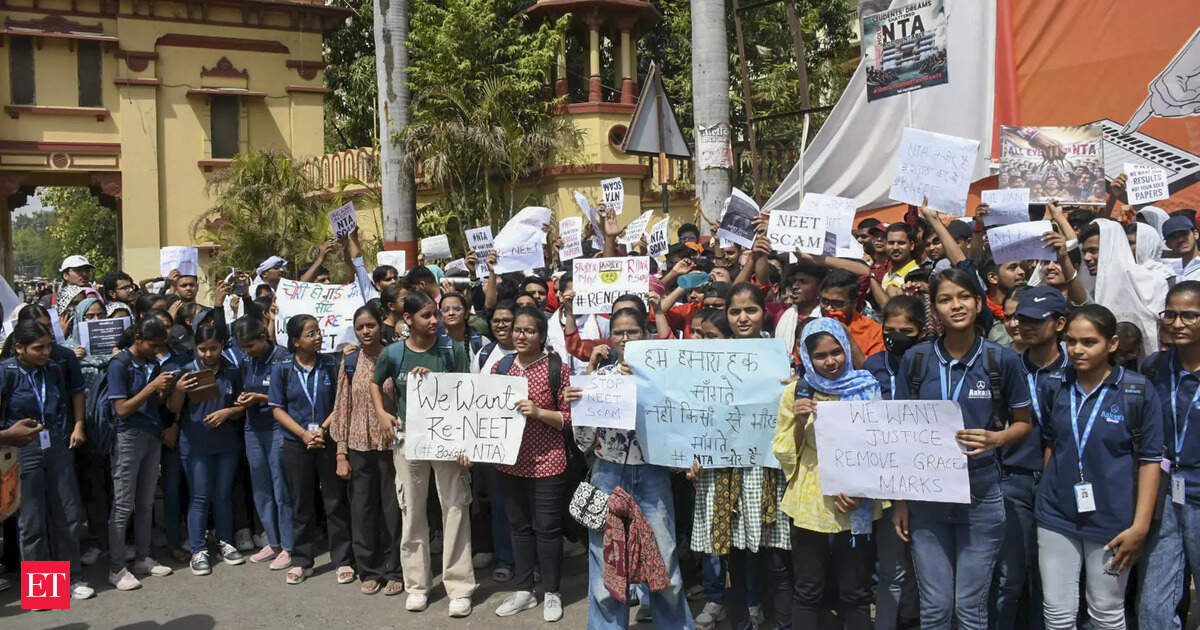
The re-examination follows irregularities in the earlier test administration. Bihar is one of the states with the largest number of candidates, making transportation a critical bottleneck. The free bus travel policy directly addresses a recurring complaint: that exam-related travel costs add financial stress for rural and low-income students.
By shifting the cost to the state exchequer, the government removes one variable from an already tense process. The inclusion of temple and NGO support for food and water at bus stations and railway stations suggests a broader community-level mobilization effort. This is not a small logistical afterthought. Thousands of students need to reach designated exam centers on a single day. Public transport reliability is often poor outside major cities.
Chief Minister Samrat Choudhary framed the announcement as a relief measure. The timing aligns with a wider push by the state government to improve education access ahead of upcoming electoral cycles. Free bus travel for students is a low-cost, high-visibility gesture. It does not require new legislation or large budget reallocations. State bus corporations can absorb the marginal cost of additional passengers on existing routes.
The directive also signals that the government is responsive to student welfare concerns after the NEET re-examination controversy. The original exam faced criticism over alleged paper leaks and procedural flaws. By offering concrete travel aid, the administration moves from apology to action. The involvement of district administrations ensures local enforcement. Temples and NGOs lend credibility and grassroots reach.
For students, the announcement eliminates one uncertainty. They still face the pressure of a competitive medical entrance test. They no longer need to arrange and pay for travel separately. The free bus service covers all state-run routes. That includes routes to rural exam centers that private bus operators often skip.
The actual test day will reveal whether the transport coordination works as intended. District administrations must ensure that buses run on time. Students must not be turned away if they lack identification beyond the admit card. The promise of water and sattu at hubs adds a layer of convenience. Execution depends on local officials.
If the free travel rolls out smoothly, it creates a template for future mass examinations in Bihar. If disruptions occur, the government will face immediate backlash from students who depend on this promise. The next concrete marker is June 21 itself. The re-examination happens then. The effectiveness of the policy becomes visible then.
For broader context on how state-level policies affect education and labor markets, see AlphaScala's stock market analysis coverage of Indian equities.
Prepared with AlphaScala research tooling and grounded in primary market data: live prices, fundamentals, SEC filings, hedge-fund holdings, and insider activity. Each story is checked against AlphaScala publishing rules before release. Educational coverage, not personalized advice.