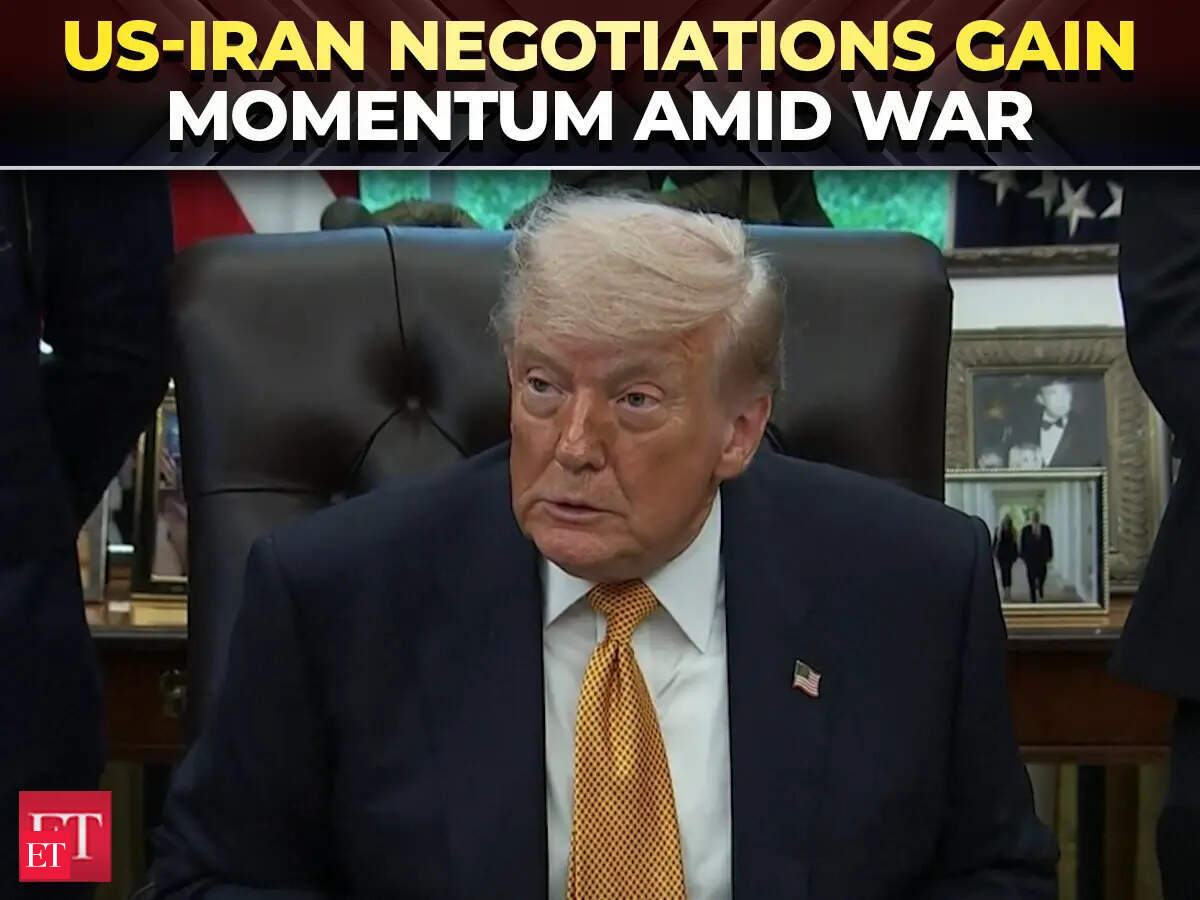
President Donald Trump signaled a potential shift in U.S.-Iran relations on Wednesday, May 6, 2026, following what he described as productive diplomatic discussions over the previous 24 hours. While the administration has maintained a posture of intense pressure regarding regional transit corridors, the President’s comments suggest that a negotiated settlement remains a viable path forward. This development follows a period of heightened volatility in the Middle East, characterized by the pause of the "Project Freedom" initiative, which had been tasked with securing transit through the Strait of Hormuz.
For market participants, the primary mechanism to watch is the risk premium currently embedded in energy and shipping equities. The previous escalation, which saw the U.S. military engage in operations to maintain regional stability, had created a supply-chain bottleneck that pressured global logistics costs. A successful deal, or even the credible prospect of one, would likely trigger a rapid repricing of these risk premiums. Traders should distinguish between the headline optimism and the underlying structural constraints that remain, particularly regarding the enforcement of regional transit protocols.
Assessing the Diplomatic Pivot
The shift in tone from the White House comes as the administration balances domestic political pressures with the complexities of international security. The pause in Project Freedom, as noted in recent briefings, indicates that the U.S. is currently prioritizing diplomatic leverage over immediate kinetic intervention. If the administration can secure a framework that addresses the core security concerns in the Strait of Hormuz without necessitating a prolonged military presence, the resulting reduction in geopolitical uncertainty would be a tailwind for broader market sentiment.
However, the market should remain skeptical of the timeline. The President’s assertion that Iran would face significant reconstruction hurdles if a deal fails to materialize serves as both a negotiation tactic and a warning. This rhetoric is designed to keep the pressure on Tehran while providing a window for a diplomatic off-ramp. Investors should monitor whether these talks translate into concrete, verifiable commitments, such as the reopening of transit routes or the cessation of specific regional hostilities, rather than just a temporary cooling of tensions.
Sector Read-Through and Risk Positioning
The energy sector is the most immediate beneficiary of any sustained de-escalation. During the height of the recent tensions, shipping and energy stocks faced significant volatility due to the uncertainty surrounding transit safety. A move toward a deal would likely lead to a compression of the risk-adjusted returns that have recently favored energy-heavy portfolios. Conversely, if the talks stall, the market will likely revert to pricing in a higher probability of supply disruptions, which would support elevated energy prices and potentially increase volatility in logistics-dependent sectors.
In the broader context of stock market analysis, the current environment requires a disciplined approach to sector exposure. While the headline news is positive, the underlying geopolitical risks—including the ongoing Trump-Vatican Iran Standoff Risks Diplomatic Market Volatility—suggest that the path to stability is non-linear. Investors should avoid over-extending on the assumption of a permanent resolution, as the history of these negotiations suggests that reversals can occur rapidly.
Valuation and Strategic Execution
When evaluating positions in the current climate, it is essential to look past the immediate price action. For companies with significant exposure to the Middle East or energy-intensive operations, the current volatility is a test of balance sheet resilience. The market is currently pricing in a high degree of uncertainty, which means that any definitive progress on a deal could lead to a sharp, short-term rally in risk-on assets. However, the sustainability of such a move depends on the structural durability of the agreement.
For those managing portfolios, the focus should remain on liquidity and the ability to pivot as the situation evolves. The Alpha Score for companies like Spotify Technology S.A. (SPOT) and Ferrari N.V. (RACE) currently sits at 40/100 and 46/100 respectively, reflecting a broader market environment that is cautious and mixed. These scores highlight that even in sectors seemingly removed from the immediate conflict, the macro-uncertainty generated by geopolitical events creates a drag on sentiment. Maintaining a balanced allocation remains the most prudent strategy until the diplomatic trajectory becomes clearer.
Ultimately, the success of these talks will be measured by the restoration of predictable transit and the reduction of the military footprint in the region. Until then, the market will likely continue to trade on the ebb and flow of diplomatic updates. Traders should look for confirmation in the form of sustained transit volume increases and a narrowing of the spread between spot and futures prices in energy markets. If these indicators move in tandem with the diplomatic narrative, the case for a broader risk-on rotation will strengthen. If, however, the rhetoric remains high while transit conditions stay constrained, the market will likely continue to treat the current optimism as a temporary reprieve rather than a fundamental shift in the geopolitical landscape.